free shipping*
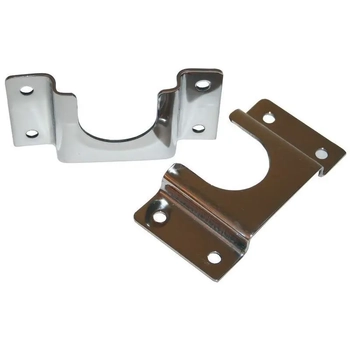
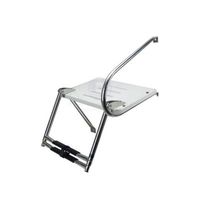
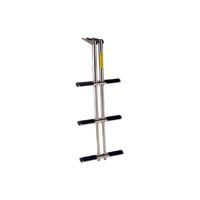
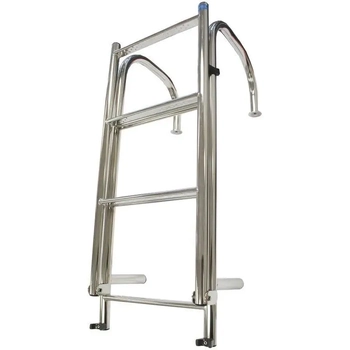
RWB Large Deck Mount 6 Rung Ladder Stainless Steel
RWB Large Deck Mount 6 Rung Ladder Stainless Steel
RWB275B
$696.53 $753.00
$56.47 off RRP of $753.00
$696.53 $753.00

$751.10 $812.00
$172.05 $186.00
$116.55 $126.00
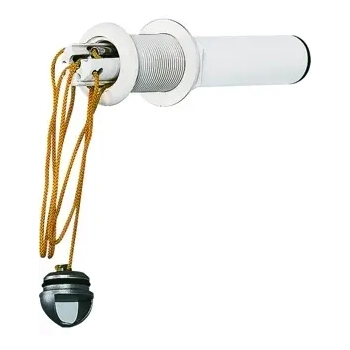
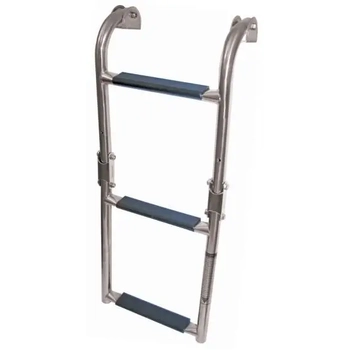
$146.15 $158.00
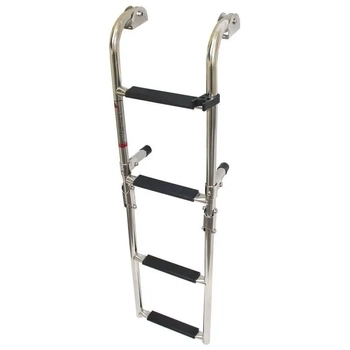
$165.58 $179.00
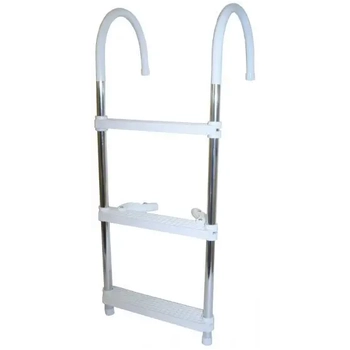
$88.80 $96.00
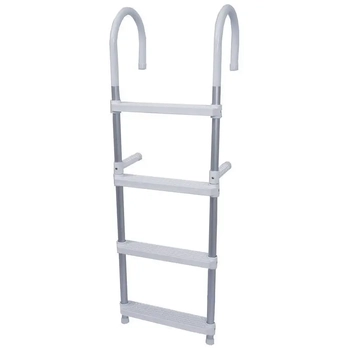
$108.23 $117.00
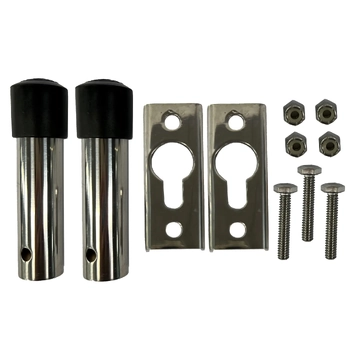
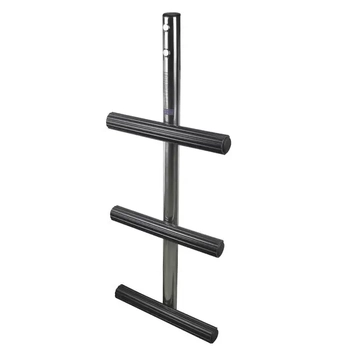
$406.08 $427.45

$445.85 $482.00
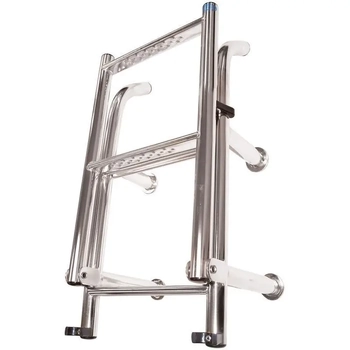
$395.90 $428.00
Boat ladders and steps help make boarding, swim access, deck movement and trailer access more practical for everyday boat use. The right option depends on where people need to step or climb, the available mounting area, the height involved and how the boat is used day to day. Some setups need a transom ladder for water entry and recovery, while others need compact steps, folding hardware or emergency access equipment. Always check product dimensions, mounting requirements and any stated load information before purchase, because suitability depends on the vessel layout, mounting surface and the intended use for each access point.
Access hardware should be chosen around the actual boarding location and use case, not just the product name. A swim platform, transom, trailer frame, cabin entry or cockpit step may each need a different style of ladder or step depending on height, angle, usage frequency and who will be using it. Consider how the hardware will be reached, whether it needs to fold away when not in use, and whether the mounting surface is structurally suitable for the selected product.
If you are matching boat ladders & steps with related gear, the Boat Ladder Buying Guide explains mounting style, boarding access, storage and boat-layout considerations.
Broader boat hardware and related fittings are available through boat hardware when planning a wider deck or cockpit upgrade alongside ladder and step selection.
Different boarding scenarios need different solutions. For compact step-up points around the cockpit, cabin or deck, browse boat steps and compare tread size, material and mounting style. For stern and swim access, transom ladders are commonly considered check deployed length, tread spacing, mounting footprint and whether the ladder stows clear when not in use. For emergency or overboard-recovery scenarios, emergency ladders may provide an appropriate option for a different design requirement.
The height from the water or ground to the boarding point is often the most critical dimension when choosing a ladder. A ladder that is too short leaves the final step too high; one that is too long may drag in the water or interfere with the transom or motor when stowed. Measure the boarding height before comparing ladder specifications.
Marine ladders and steps commonly use stainless steel, anodised aluminium, marine-grade plastic or a combination of materials depending on the product. Tread surface whether smooth, ridged or fitted with non-slip inserts affects how usable the ladder is when wet. Check the product specifications for the tread material and any stated grip or surface treatment rather than assuming all ladders provide equivalent grip in wet conditions.
Mounting style varies between products: some use fixed bolt patterns, others use pin-locking or folding mechanisms, and some are designed to attach to specific swim platform or rail configurations. Confirm that the mounting method suits the boat's transom or deck construction before purchasing, and use appropriate fasteners and backing plates where the product specifications or installer guidance require them.
For boats used offshore or in open water, consider whether an emergency recovery ladder is part of the safety planning. Emergency ladders are typically designed for ease of deployment rather than daily convenience a different purpose from a standard swim ladder. They may roll out, hang over the side or deploy quickly from a stored position. Review the design and deployment method to confirm it suits the vessel's freeboard and the likely scenario where it might be needed.
Before ordering, measure the available mounting area, the boarding height from water or ground, the required step width and the stowed or folded position. Check whether the hardware is fixed, folding, removable or designed for a specific location. Review material, grip surface and product specifications for the intended marine environment and use frequency. Use appropriate fasteners and installer support where the mounting point carries regular boarding loads or structural attachment is required.
Choose by boarding location, available mounting area, ladder length or step size, boarding height and intended use. Check product specifications, dimensions and manufacturer guidance before purchase.
Measure the transom or platform area, check stowed and deployed length, review tread spacing and material, confirm mounting requirements and confirm the ladder suits the intended boarding height and access point.
Some boat steps suit deck, cockpit or trailer access depending on mounting style, surface and product design. Confirm the intended use and check product specifications before purchase.
Marine ladders and steps commonly use stainless steel, aluminium, plastic or non-slip tread materials depending on the product and intended location. Check the product specification for materials and any stated grip or surface treatment.
Use professional support where the mounting surface, fastener selection, load requirements or structural suitability of the mounting point are uncertain, particularly for permanently mounted hardware with regular boarding use.
ABN: 99 423 721 756