

Marine Instruments
Filters
Show Filters
(15 Results)
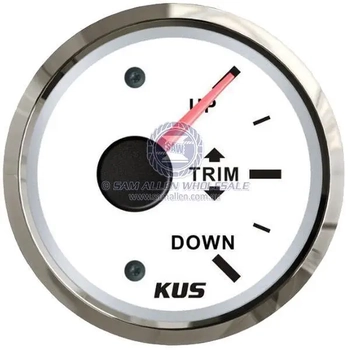
$2.79 off RRP of $55.80
free shipping*
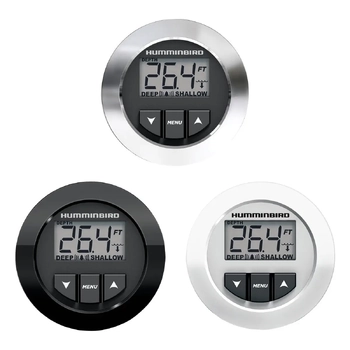
Humminbird HDR 650 Digital In-Dash Depth Gauge Sounder 600ft
Humminbird HDR 650 Digital In-Dash Depth Gauge Sounder 600ft
BLA-102140
$559.55 $589.00
$29.45 off RRP of $589.00
free shipping*
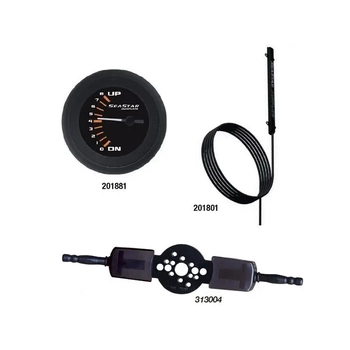
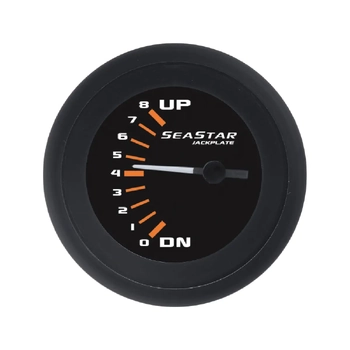
Dometic Jack Plate Smartstick And Guage Kit
Dometic Jack Plate Smartstick And Guage Kit
BLA-201801
$1,096.62 $1,119.00
$22.38 off RRP of $1,119.00
$170.91 $179.90
$8.99 off RRP of $179.90
free shipping*
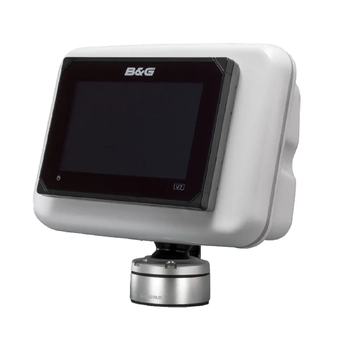
Scanstrut Pod Instrument Deck Comp 10/12"
Scanstrut Pod Instrument Deck Comp 10/12"
BLA-287514
$1,143.63 $1,179.00
$35.37 off RRP of $1,179.00
free shipping*
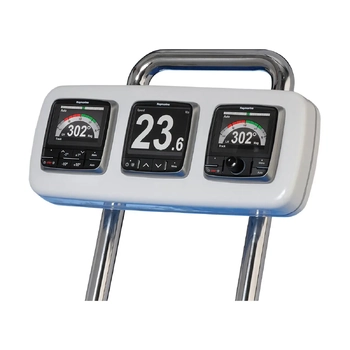
Scanstrut Pod Instrument Suit Std Nav Inst
Scanstrut Pod Instrument Suit Std Nav Inst
BLA-287516
$749.00
$359.90
free shipping*
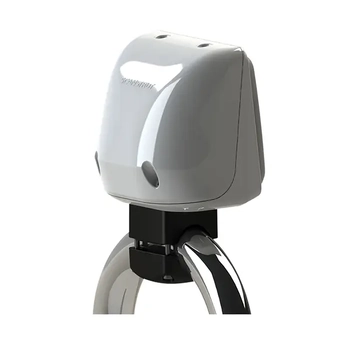
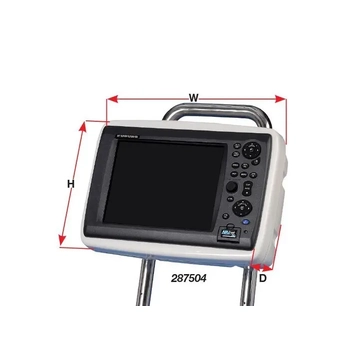
Scanstrut Pod Instrument Compact T/S 9" Disp Wht
Scanstrut Pod Instrument Compact T/S 9" Disp Wht
BLA-287504
$939.00
free shipping*
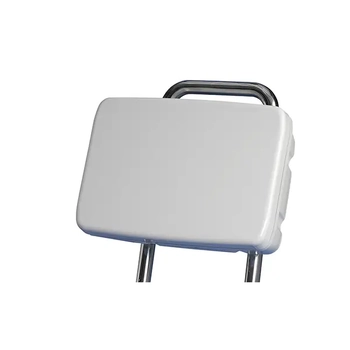
Scanstrut Pod Instrument Compact T/S 12" Slim Wht
Scanstrut Pod Instrument Compact T/S 12" Slim Wht
BLA-287506
$988.43 $1,019.00
$30.57 off RRP of $1,019.00
free shipping*
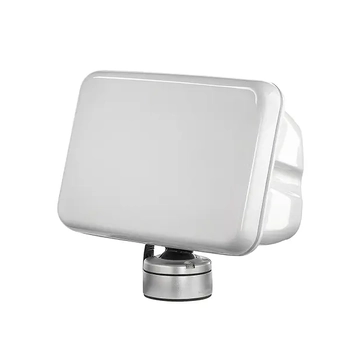
Scanstrut Pod Instrument Deck Comp T/S 7" Slim Wht
Scanstrut Pod Instrument Deck Comp T/S 7" Slim Wht
BLA-287510
$979.00
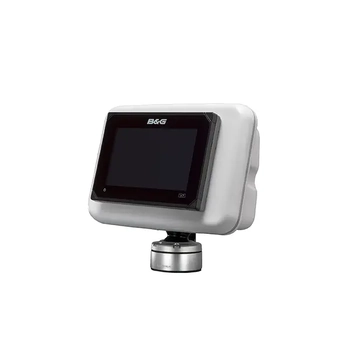
free shipping*
Scanstrut Pod Instrument Ultra Comp Suitb 7" Disp
Scanstrut Pod Instrument Ultra Comp Suitb 7" Disp
BLA-287511
$979.00
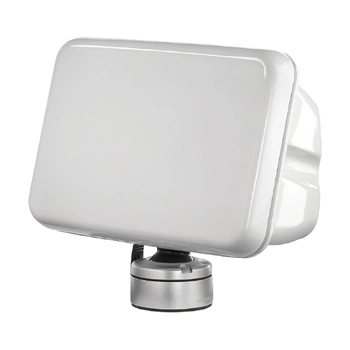
free shipping*
Scanstrut Pod Instrument Deck Comp T/S 9" Slim Wht
Scanstrut Pod Instrument Deck Comp T/S 9" Slim Wht
BLA-287512
$988.43 $1,019.00
$30.57 off RRP of $1,019.00
Marine instruments display useful vessel information depth, speed, wind, engine data, tank levels and navigation readings to support safer and more aware operation from the helm. The right choice depends on what data you need to monitor, the sensors and senders already fitted, display size and format, panel space, network compatibility and power supply. Before purchasing, check product specifications for sensor requirements, sender compatibility, cabling and networking standards not all instruments work with all existing systems, and confirming compatibility before purchase avoids costly fitting problems.
What Marine Instruments Cover
Marine instruments is a broad category covering the gauges, displays and data units used to monitor vessel performance and environment. Products range from single-function analogue gauges showing fuel level or engine temperature through to networked multifunction displays that share depth, speed, wind and GPS data across multiple screens. The right format depends on how the boat is used and what information the skipper needs to see regularly.
For broader electronics planning, compare related marine electronics. If position display and chart navigation are also part of the upgrade, GPS chartplotters are worth reviewing alongside instrument choices.
Choosing Instruments for Your Setup
Start by identifying what information you actually need while underway. Depth is the most commonly used single instrument on recreational boats in shallow or coastal Australian waters. Speed and log data help with fuel planning and navigation calculations. Wind instruments matter on sailing vessels. Engine instruments temperature, oil pressure, revs, battery voltage vary by engine type and what the engine management system outputs.
Check whether a new instrument can use the existing sensor or sender on the boat. Replacing a depth gauge requires a compatible transducer; replacing an engine gauge requires a compatible sender with matching resistance or signal range. Guessing at compatibility wastes money and causes fitting problems always verify the existing sensor specification before purchasing a replacement.
Networking and Compatibility
Many modern instruments communicate via NMEA 0183 or NMEA 2000 networks, which allow data sharing between displays, GPS units, autopilots and other equipment. Compatibility between brands and generations is not guaranteed check network standards, connector types, bus power requirements and software compatibility before mixing equipment from different systems.
For boats with existing networked electronics, adding a new instrument may require a network cable, power tap, terminator or network expander depending on the system. Plan the installation requirements before purchasing rather than discovering compatibility issues at the fitting stage. Related categories such as marine radar and marine navigation gear may also be relevant for a more complete helm layout.
Mounting, Readability and Australian Conditions
Choose a display size and format that can be read clearly from the normal steering position. In Australian conditions strong sunlight, spray, salt haze screen readability, waterproof rating and UV resistance all matter. Check the product's IP rating, sunlight-readability specifications and mounting footprint. Instruments mounted where they cannot be easily seen, or where spray or condensation affects visibility, provide less benefit than their specifications suggest.
Cable routing, panel cut-out dimensions and bracket requirements should all be confirmed before any panel work begins. Measure twice, cut once applies to instrument panel upgrades as much as to any other fitting job.
Practical Use on Australian Boats
Coastal sun, salt air, vibration and regular wet-dry cycles mean instrument longevity depends on installation quality as much as product rating. Seal panel penetrations, protect cable entry points and ensure waterproof gaskets are correctly seated. Instruments should be checked periodically for display clarity, sensor accuracy and connection security. If an instrument becomes unreliable, check the sensor and wiring before assuming the display itself is at fault.
Marine Instruments FAQ
What are marine instruments used for?
Marine instruments display vessel information such as depth, speed, wind, engine temperature, oil pressure, battery voltage, tank levels and navigation data depending on the product type and sensors fitted. They support awareness and monitoring during boat operation.
How do I choose the right marine instruments?
Start with the data you need to monitor while underway, then check sensor and sender compatibility, display size, panel space and network standards. Confirming that a new instrument works with the existing sensor or sender on the boat is the most important compatibility check before purchase.
Will a new instrument work with my existing sender?
Compatibility depends on the sender output type, resistance range, signal standard and the instrument's input specification. These are not universal check the existing sender specification against the product's requirements before purchasing. Mismatched senders and gauges produce inaccurate readings.
Should marine instruments be professionally installed?
For networked instruments, panel modifications, dashboard wiring or transducer replacement, using a qualified installer is advisable. Simple standalone gauge replacements may be manageable for experienced DIYers, but follow product instructions and verify compatibility at every step.
What related categories should I compare?
Marine electronics, GPS chartplotters, radar and compasses are useful related categories when planning a broader helm or navigation layout. Consider what data needs to be available at the helm before choosing between standalone gauges, networked instruments or integrated multifunction displays.
read more