
Marine Latches & Catches
Filters
FILTERS
Price
Filters
Show Filters
(187 Results)
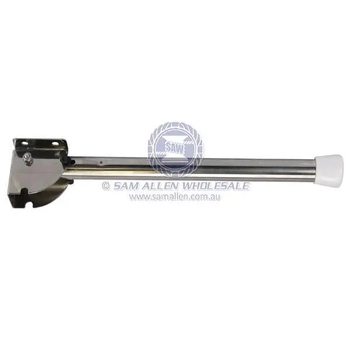
$72.15 $75.95
$3.80 off RRP of $75.95
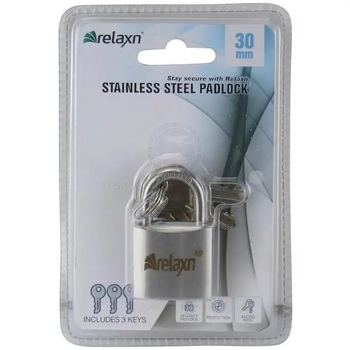
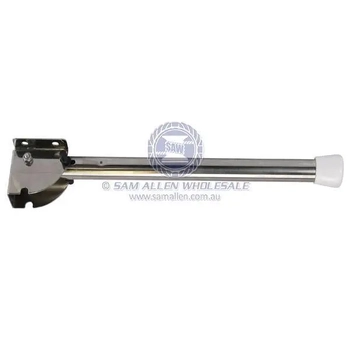
$77.00 $81.05
$4.05 off RRP of $81.05
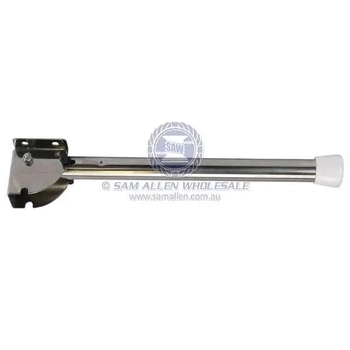
$108.63 $114.35
$5.72 off RRP of $114.35
$3.34 off RRP of $66.90
$2.98 off RRP of $59.55
$2.84 off RRP of $56.80
$2.84 off RRP of $56.80
$4.50 off RRP of $90.00
$6.95 off RRP of $139.00
$28.45
$7.24 off RRP of $144.85

$10.62 off RRP of $212.35
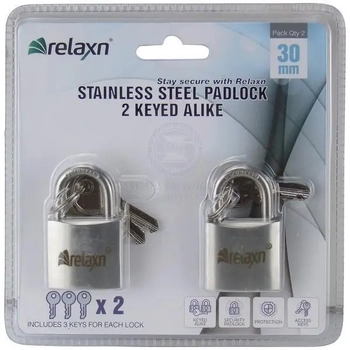
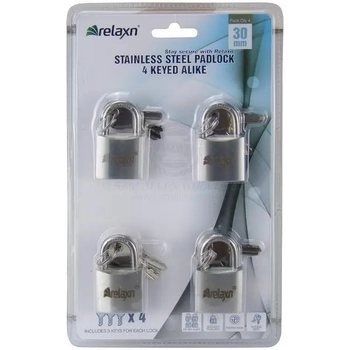
$4.01 off RRP of $80.15
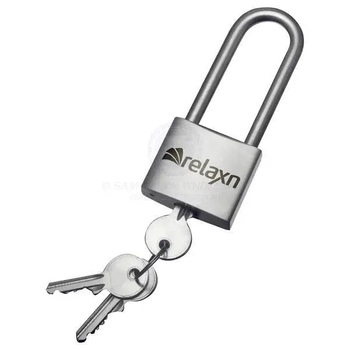
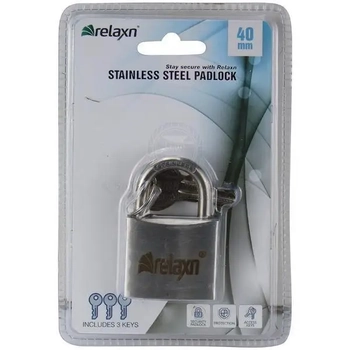
$2.75 off RRP of $55.10
$5.50 off RRP of $110.10
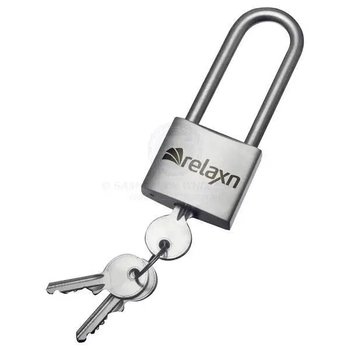
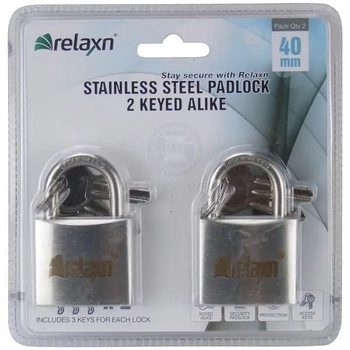
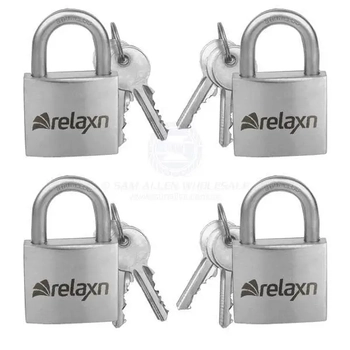
Choose marine latches, catches and padlocks by fitting size, material and locking style so cabin doors, hatches and lockers close securely and resist corrosion.
Choosing latches, catches and padlocks for marine use
Marine latches and catches close cabin doors, lockers, hatches and storage compartments, so material and fitting size need to suit the conditions and the closing force required. Stainless steel and marine-grade alloys resist corrosion better than standard hardware in a saltwater environment.
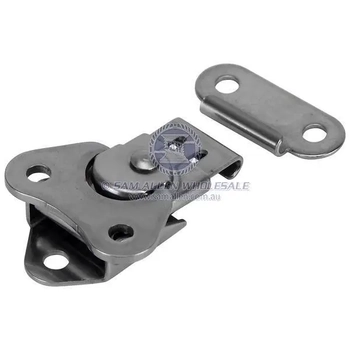
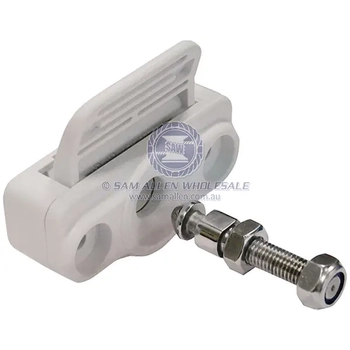
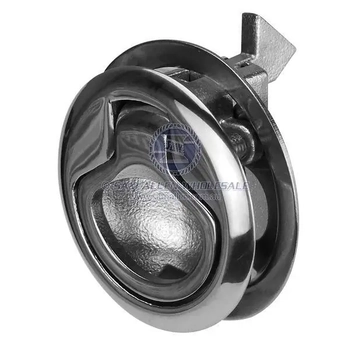
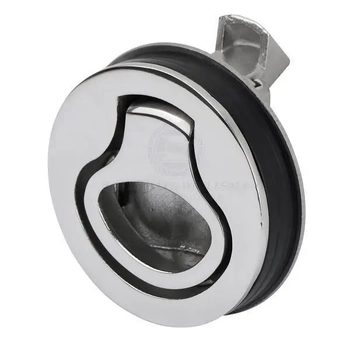
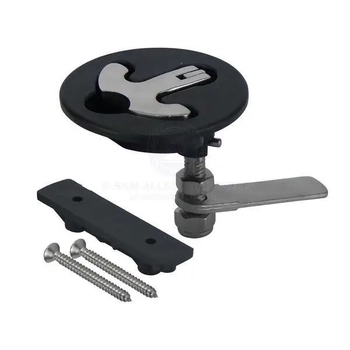
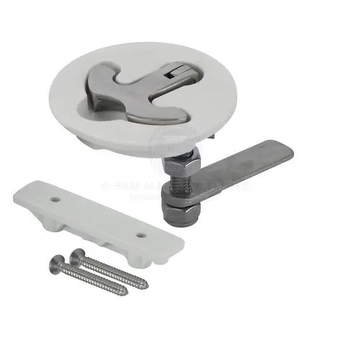
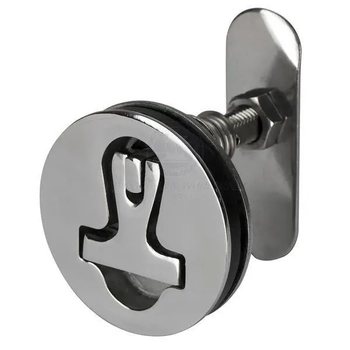
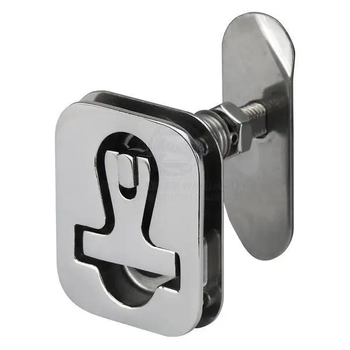
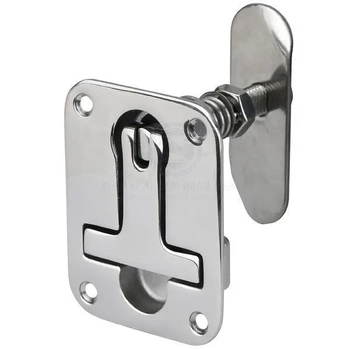
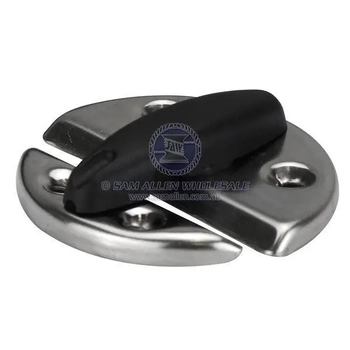
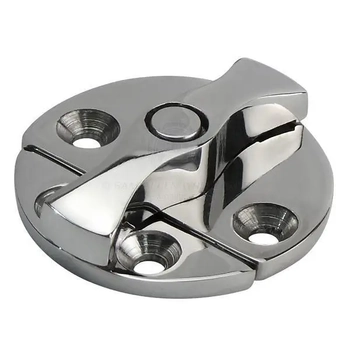
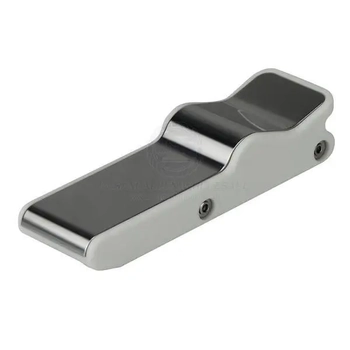
Some latches sit flush for a tidy finish, while others project slightly for an easier grip. Cam latches give a quick quarter-turn close, while flush pull latches suit lockers needing a tidy, low-profile finish. Padlocks add security on top of a latch where lockable storage is needed.
Matching latches to nearby cabin hardware
Latches are usually paired with other cabin fittings check boat hinges for the door or lid pivot point, and handles and rails if the door also needs a grab point. Ring pulls offer a flush alternative for panels that need to stay flat when closed.
- Match latch type to door thickness and closing force needed.
- Choose flush or projecting styles based on the finish required.
- Use stainless steel or marine-grade fittings for exposed locations.
- Pair with a compatible padlock if lockable security is required.
Frequently asked questions
What is the difference between a latch and a catch?
Latches typically use a mechanism such as a cam, hook or bar to hold a door or lid closed, while catches are often simpler spring-loaded fittings for lighter-duty closures.
Can a padlock be added to any marine latch?
Many latches include a hasp or loop for a padlock, but check the fitting design before assuming a padlock can be added.
Why do marine latches corrode faster than household hardware?
Salt air and spray accelerate corrosion on standard metals, which is why marine-grade stainless steel or coated alloys are commonly used for boat latches and catches.
read more