

Filters
Show Filters
(4 Results)
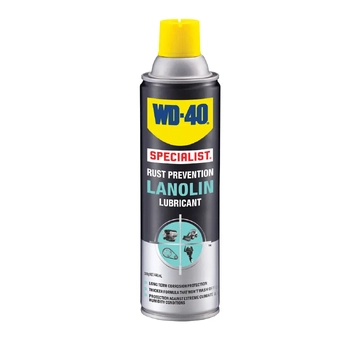
$132.91 $139.90
$6.99 off RRP of $139.90
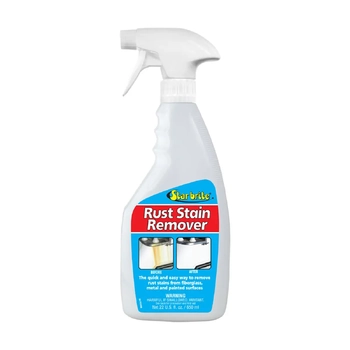

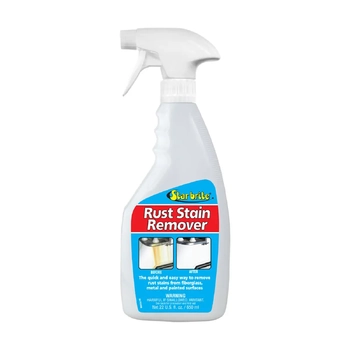
$4.95 off RRP of $66.00
Marine rust inhibitors help manage corrosion-prone metal fittings, tools and hardware exposed to salt air, spray and moisture.
Rust and corrosion inhibitors for marine metal care
Marine rust inhibitors are used to help protect metal surfaces, fittings, tools and hardware that are exposed to salt, spray and moisture. They can be useful during routine maintenance, especially around trailers, deck hardware, fasteners, hinges, tools and other metal items that are regularly handled or stored near the water.
Before applying any inhibitor, clean the surface and remove loose corrosion where appropriate. For general washdowns, start with boat cleaners; for follow-up care, compare surface protectors and polishes and waxes depending on the material.
Practical use areas
- Use on suitable metal parts after cleaning and drying.
- Pay attention to hinges, fasteners, tools and trailer hardware.
- Do not apply products to braking, gripping or electrical contact surfaces unless the product instructions allow it.
- For timber trim and deck details, see teak and wood care instead.
Frequency of application usually depends on how often the boat is used and how much salt exposure the hardware receives. Boats that are kept at moorings or trailered through saltwater ramps tend to need more regular attention than those stored in dry garages. Checking treated surfaces after washing or heavy rain helps identify where protection has been depleted earlier than expected.
Frequently Asked Questions
What are marine rust inhibitors used for?
They help manage corrosion-prone metal fittings, tools and hardware exposed to salt air, spray and moisture.
Should I clean metal before applying rust inhibitor?
Yes. Cleaning and drying the surface first helps the treatment reach the areas it is intended to protect.
Can rust inhibitor be used on every metal part?
Check product instructions and avoid surfaces where residue could affect braking, electrical contact, grip or moving function.
read more