
$73.10 $76.95
$3.85 off RRP of $76.95
$73.10 $76.95
$99.70 $104.95
$17.80
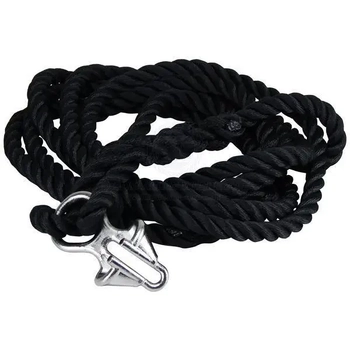
$150.39 $158.30
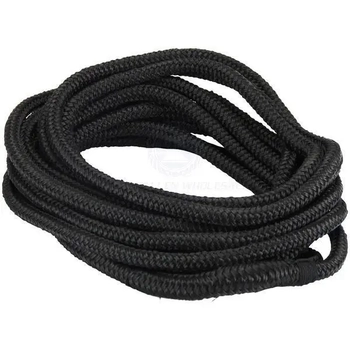
$25.45
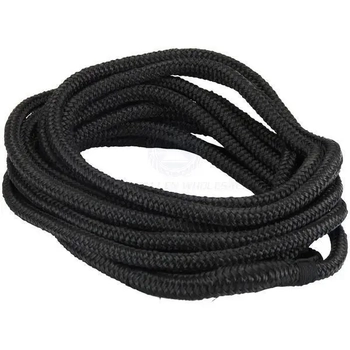
$32.10
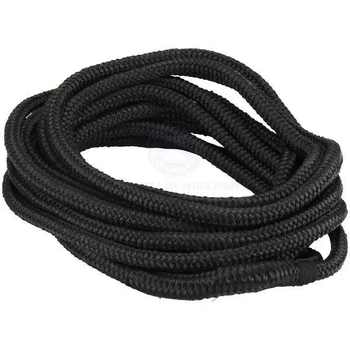
$47.10
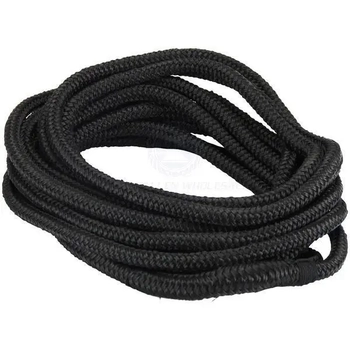
$68.16 $71.75
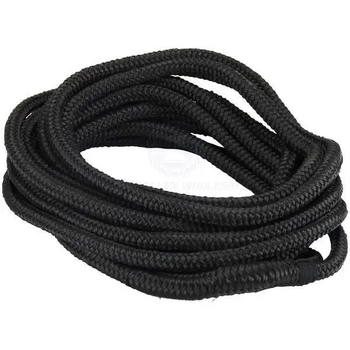
$89.97 $94.70
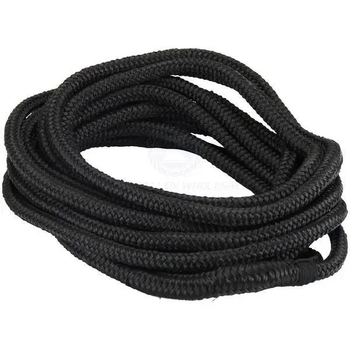
$137.47 $144.70
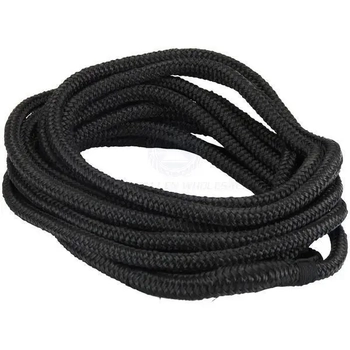
$251.70 $264.95
$49.90
$66.41 $69.90
$113.91 $119.90
$104.41 $109.90
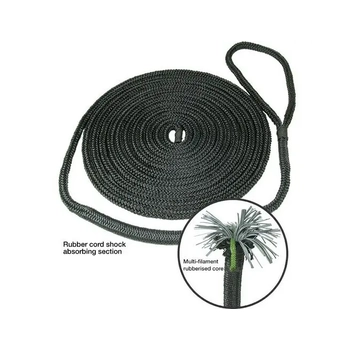
$142.41 $149.90
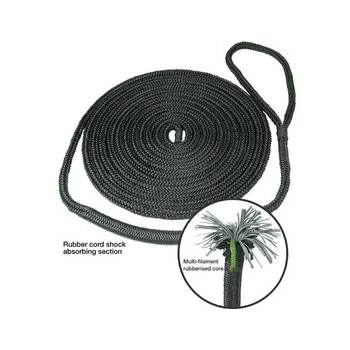
$142.41 $149.90
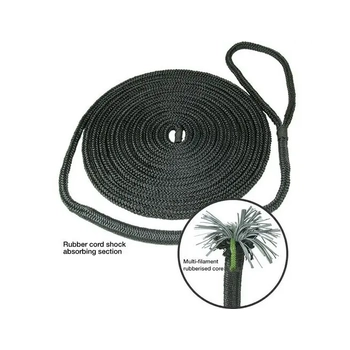
$189.91 $199.90
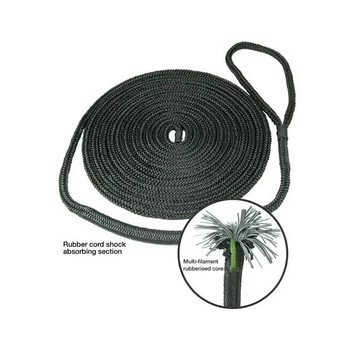
$218.41 $229.90
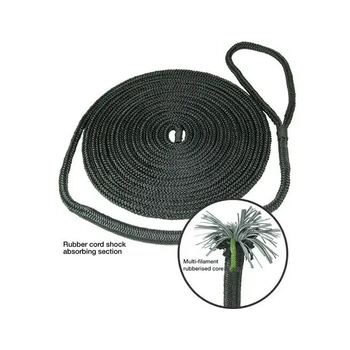
$408.41 $429.90
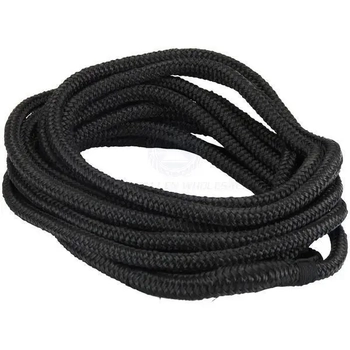
$98.18 $103.35
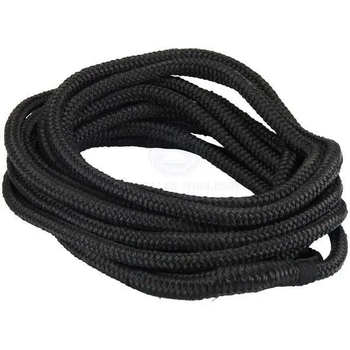
$63.84 $67.20
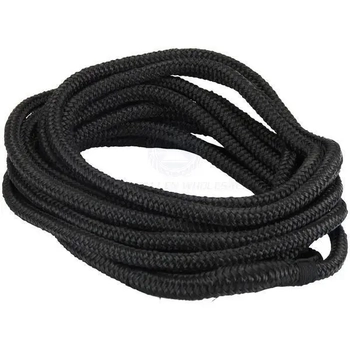
$130.91 $137.80
$26.95
$33.40

$175.42 $184.65
$852.06 $896.90
$261.68 $275.45
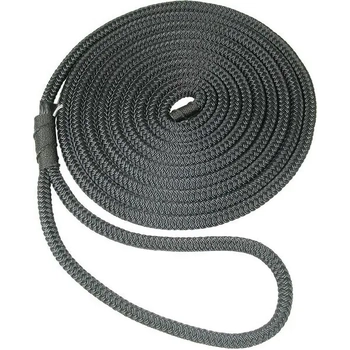
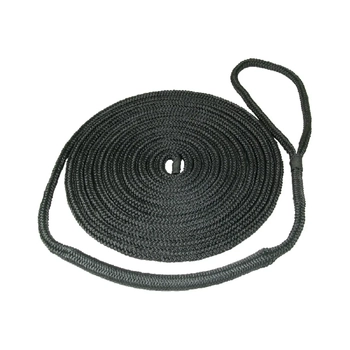
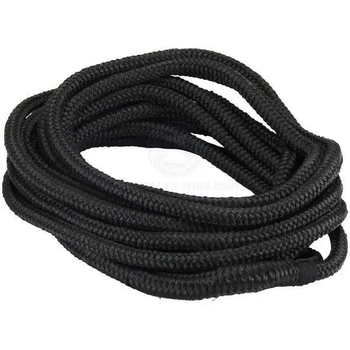
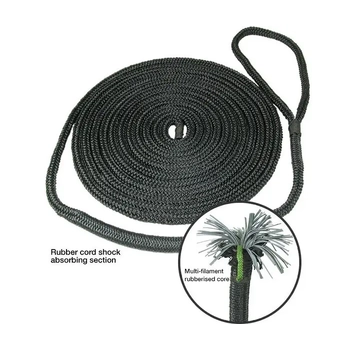
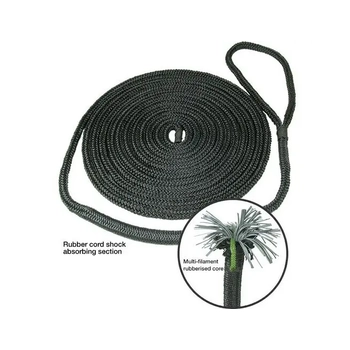
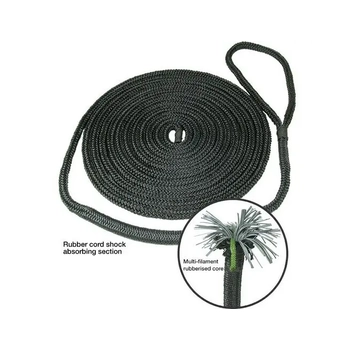
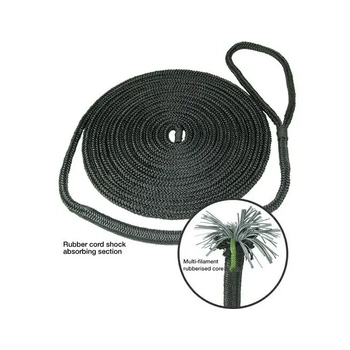
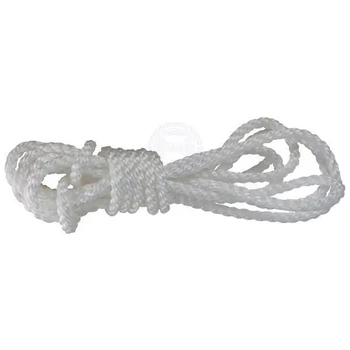
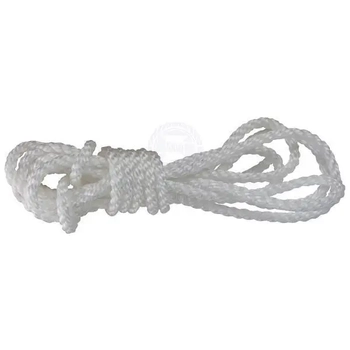
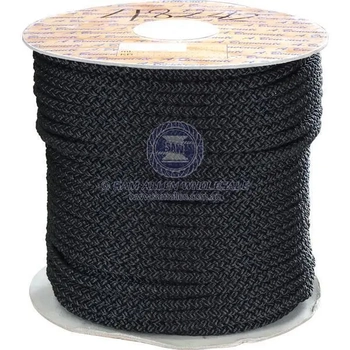
Choose mooring dock lines by line diameter, length and material so the boat sits securely at the berth without excess strain on cleats or fittings.
Mooring dock lines connect the boat to the berth, jetty or mooring point, so line diameter, length and material need to suit the boat's weight and the conditions at the berth rather than just the cleat size. A line that is too thin for the boat can stretch or chafe quickly, while an oversized line can be awkward to handle and stow.
Nylon lines are common for dock and mooring use because they stretch slightly to absorb shock loading from wave action and boat movement. Polyester lines stretch less and can suit fixed mooring setups where minimal movement is preferred. Check the working load and breaking strain against the boat's displacement and typical berth conditions.
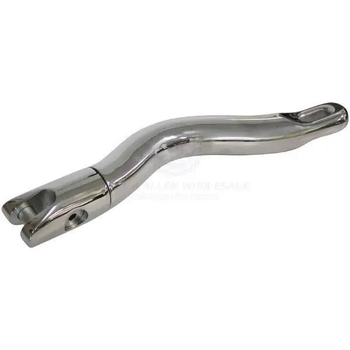
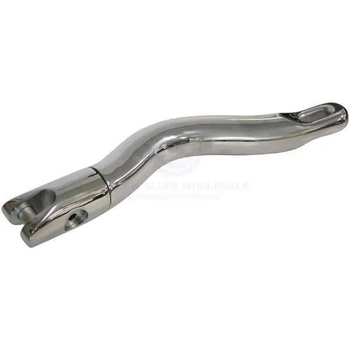
Dock lines rarely work alone. Springs and snubbers help absorb shock loading on permanent moorings, while mooring buoys mark the mooring point if the boat is not tied directly to a dock. Boat cleats at each end of the line should be checked for size and load rating to match the line being used.
Dock line length depends on berth depth, tidal range and cleat spacing many boats carry both bow and stern lines plus at least one spring line for added control.
Nylon suits dock and mooring lines because it stretches to absorb shock, while polyester holds its shape better for static rigging applications.
Inspect lines regularly for UV damage, chafe and fraying, and replace any line showing reduced flexibility or visible wear before it becomes unreliable.
ABN: 99 423 721 756