
$8.90 off RRP of $177.95
$262.11 $275.90
$294.83 $310.35
$14.90
$16.90
$24.90 $25.90
$19.90 $20.90
$66.41 $69.90
$3,655.93 $3,769.00

$2,162.13 $2,229.00
$2,123.33 $2,189.00

$1,512.23 $1,559.00
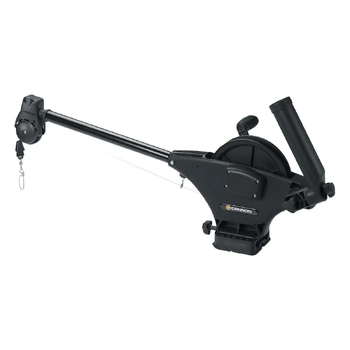
$1,230.93 $1,269.00
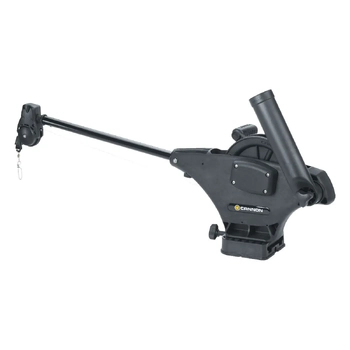
$939.55 $989.00
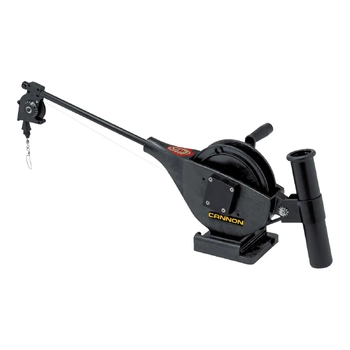
$778.05 $819.00
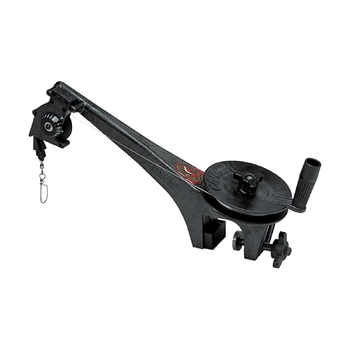
$759.05 $799.00


$408.41 $429.90
$360.91 $379.90
$379.91 $399.90
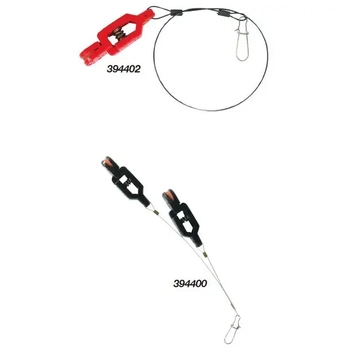
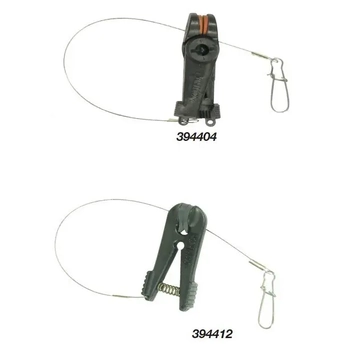
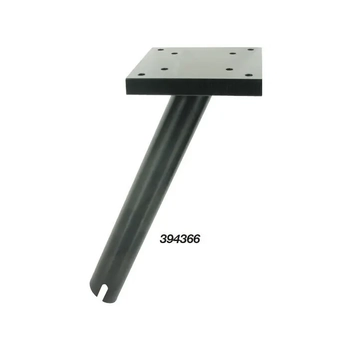
Choose trolling gear by rod position, lure spread and compatibility with downriggers or outriggers so multiple lines can be run cleanly while underway.
Trolling gear is built around running one or more lines behind a moving boat, so equipment choice depends on how many lines you want to run, the target species and depth, and how the boat's cockpit layout supports multiple rods. Rod holder angle and spacing affect how lines spread without tangling.
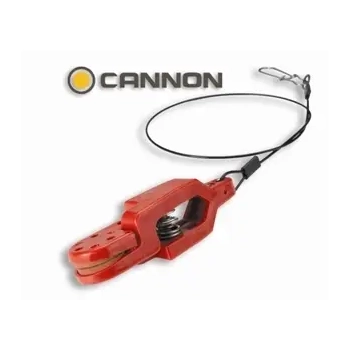
Depth control is often the deciding factor some trolling setups rely on lure weight and line angle alone, while others use downriggers or planer boards to run lines at a controlled depth or spread further from the boat's wake.
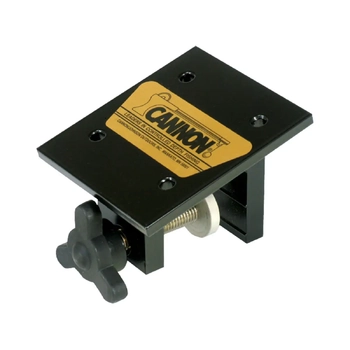
Check downriggers if precise depth control matters for your target species, and outriggers for spreading lines wider off the sides of the boat. Rod holders need to suit the angle and spacing required for the number of lines being trolled.
Not necessarily many trolling setups work with lure weight and line angle alone, with downriggers added later for more precise depth control.
Downriggers control how deep a lure runs below the surface, while outriggers spread lines out to the sides of the boat rather than controlling depth.
This depends on cockpit space, rod holder spacing and local fishing regulations, so check holder layout and any applicable rules before adding more lines.
ABN: 99 423 721 756