$68.21 $71.80
$3.59 off RRP of $71.80
$68.21 $71.80
$57.86 $60.90
$180.41 $189.90
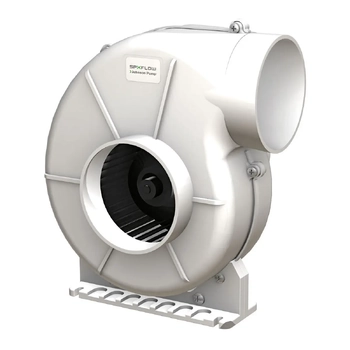
$465.41 $489.90
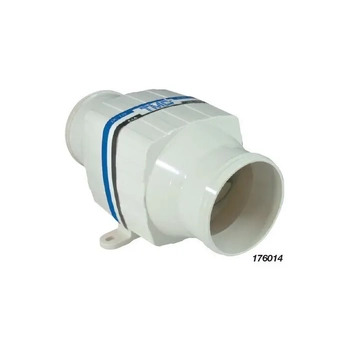
$53.11 $55.90
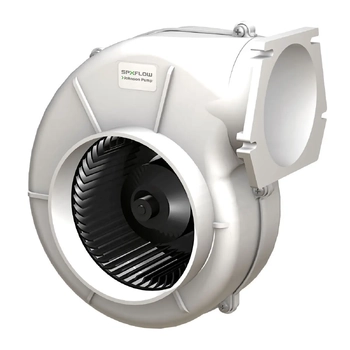
$408.41 $429.90
Marine bilge blowers are ventilation components used around enclosed bilge or engine-adjacent spaces to move air through ducting. The correct choice depends on the vessel setup, duct diameter, mounting position, voltage and manufacturer guidance rather than size alone. This category is useful when replacing a worn blower or planning ventilation components for a suitable installation. Avoid assuming any blower alone will suit every layout check product specifications carefully and use a qualified installer where required for electrical or fuel-vapour adjacent areas on the vessel.
A bilge blower should be selected around airflow path, duct diameter, mounting location and the electrical setup available. Inline and flange-style blowers can suit different layouts, but product ratings and installation notes should guide the final choice. Match the blower to the duct size available forcing a blower into an undersized or mismatched duct reduces effectiveness and may create installation problems. Check duct diameter, voltage, mounting orientation and access for future inspection before ordering.
Some buyers also compare this category with engine blowers and ventilation when reviewing engine-area airflow requirements. Ventilation upgrades may also include boat cowl vents as a complementary passive option, while electrical planning for the blower may involve marine switches and suitable marine electrical wire. Review the whole ventilation and electrical system rather than choosing a blower in isolation.
Marine bilge blowers should be treated as part of a ventilation layout. Product specifications and the vessel's design determine suitability follow manufacturer instructions and use a qualified installer where the work involves electrical connections or areas close to fuel vapour.
A bilge blower helps move air through a bilge or enclosed space when matched to the correct ducting, voltage and mounting setup. Effectiveness depends on the installation layout and product specifications, not just the blower alone.
Check duct diameter, voltage, airflow rating, mounting space and manufacturer guidance. The blower should match the duct size and vessel layout rather than being selected by size alone.
Many blower setups use ducting to move air through the intended path. Check the blower design, required duct diameter and installation guidance before purchasing to confirm compatibility with the existing or planned duct run.
Electrical connections and ventilation work in fuel-vapour risk areas may need qualified support. Follow manufacturer instructions carefully and use a qualified installer where the installation involves electrical connections or uncertain system design.
Check voltage, duct size, mounting orientation, airflow rating, switch arrangement and access for future inspection and servicing. Confirm the product is suited to the intended location and installation method.
ABN: 99 423 721 756