


Filters
FILTERS
Brand
Price
Filters
Show Filters
(470 Results)

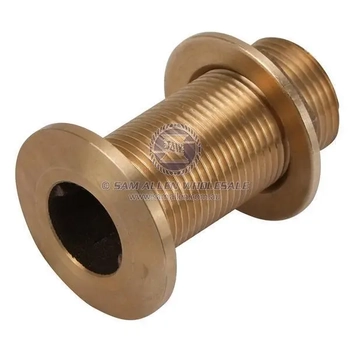
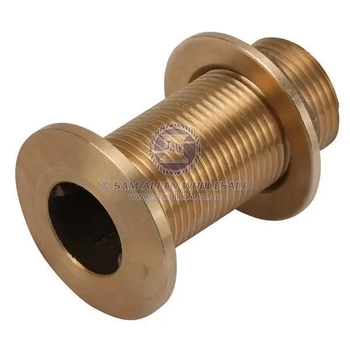
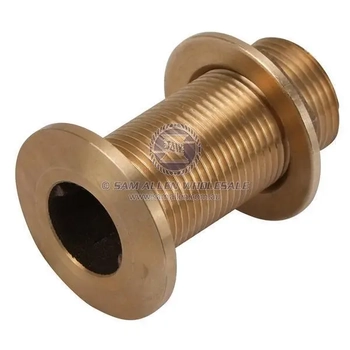
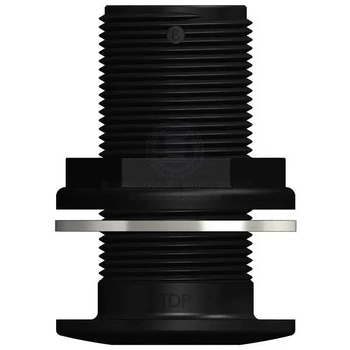
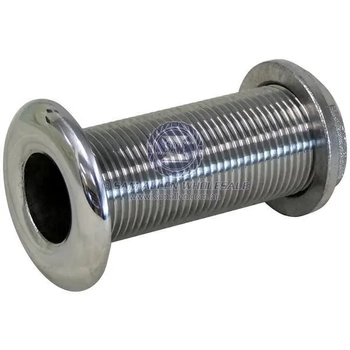
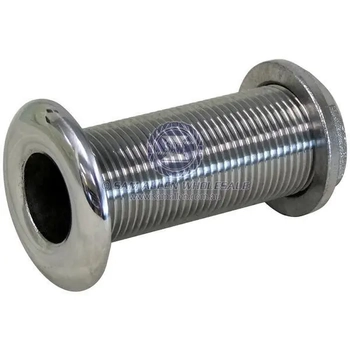
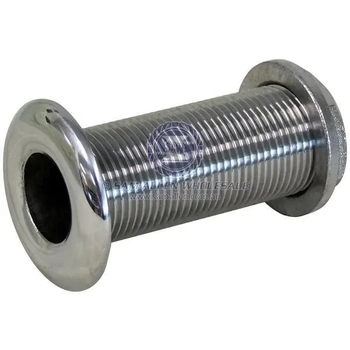
$2.87 off RRP of $57.45
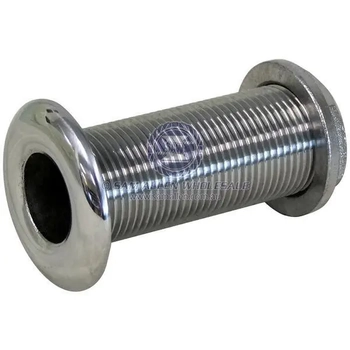
$3.07 off RRP of $61.45
$4.47 off RRP of $89.45
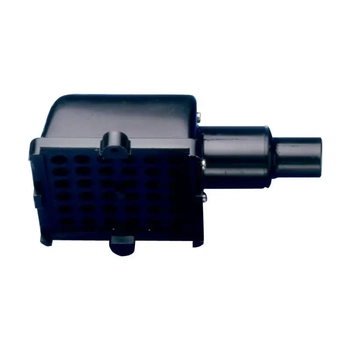
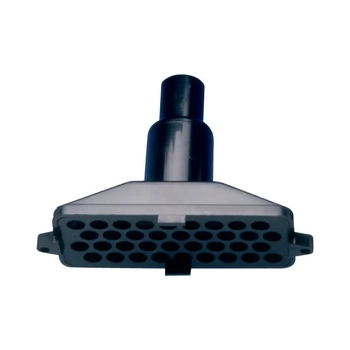
$54.06 $56.90
$2.84 off RRP of $56.90
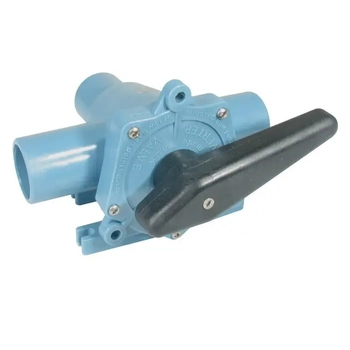
$7.49 off RRP of $149.90
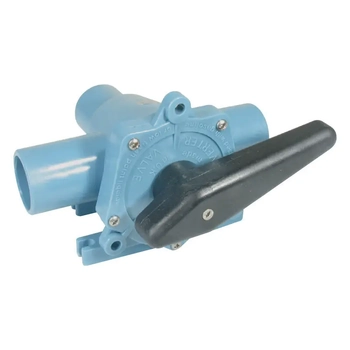
$7.49 off RRP of $149.90
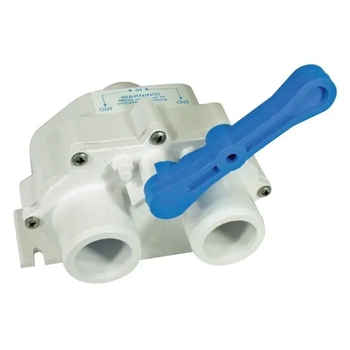
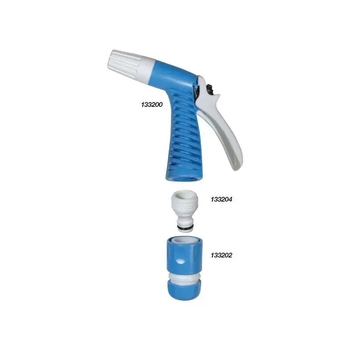
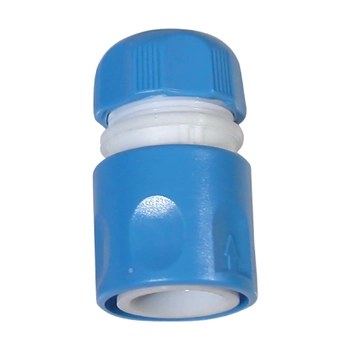
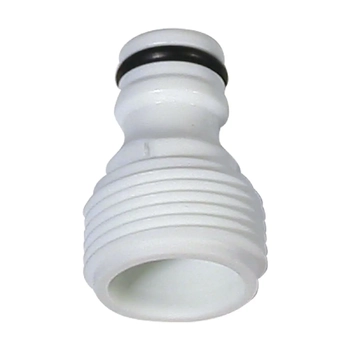

$5.49 off RRP of $109.90
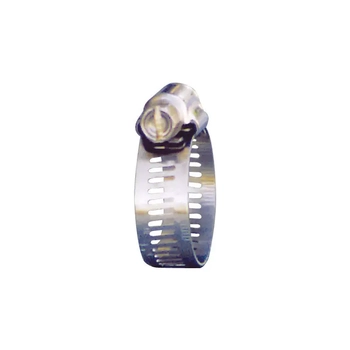
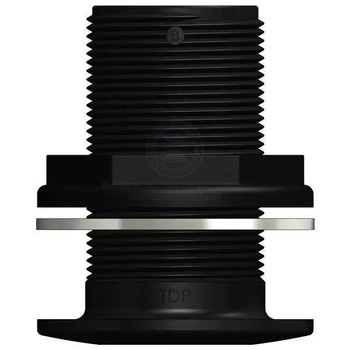
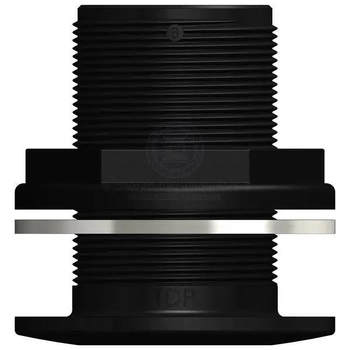
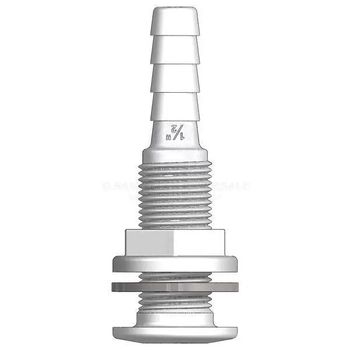
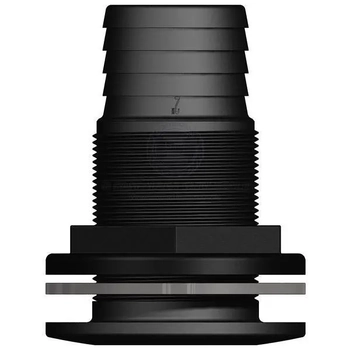
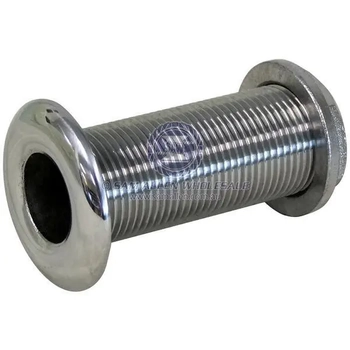
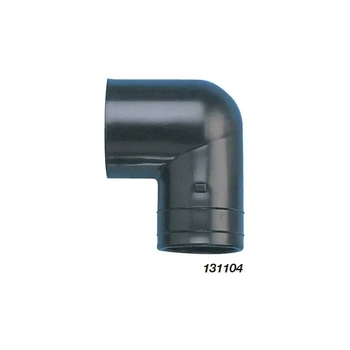
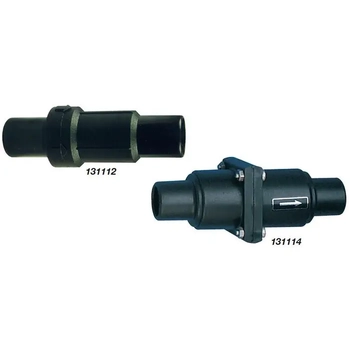
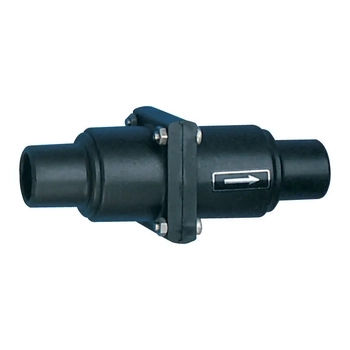
Marine plumbing fittings help connect the hoses, tanks, pumps and outlets that make onboard water, waste and drainage systems work cleanly. Choosing the right fitting usually comes down to hose size, thread type, fitting shape, material and whether the part is being used in a freshwater, waste or general plumbing setup. Check product specifications, measure existing fittings carefully and confirm suitability for your boat layout before replacing worn or mismatched parts. It is useful when refreshing older plumbing parts or planning a small repair where several hose and fitting sizes may be involved.
Choosing marine plumbing fittings
Start by matching the fitting style to the job, whether you need an elbow, tee, joiner, adaptor, valve or replacement hose connection. Hose diameter, thread type, barb size and material all matter, especially in compact bilges and cabin spaces where access can be limited.
Marine Plumbing Fittings choices can depend on hose material, fluid type, fittings, pressure and routing considerations; our Marine Hose and Fittings Guide sets out the key points to compare before ordering.
For broader system repairs, it can help to review marine plumbing accessories and compatible marine hose options at the same time. Freshwater, waste and drainage layouts may also involve marine pumps or marine water tanks, so check the full system path before purchase.
- Measure hose and thread sizes rather than relying on appearance.
- Check whether the fitting is intended for potable water, waste or general use.
- Follow manufacturer guidance for pressure, sealing and installation requirements.
Material and system compatibility
Marine plumbing fittings are available in various materials including plastic, nylon, brass and stainless. The right material depends on the system, exposure, temperature and pressure requirements. A fitting suitable for a waste circuit may not be appropriate for a potable water run, so check product descriptions and manufacturer guidance before assuming a fitting crosses over between system types.
When refreshing ageing plumbing, it is practical to check the surrounding hose sections and clamps at the same time. Replacing fittings while leaving brittle or split hose in place can make a second repair more likely. Choosing parts that suit the full system path reduces the chance of returning to the same job.
FAQs
How do I choose the right marine plumbing fitting?
Match the fitting to the hose size, thread type, material and system use. Check product specifications and compare measurements before replacing an old fitting.
Are boat plumbing fittings all the same size?
No. Marine fittings can vary by hose diameter, thread style, barb size and connection type, so measurements should be confirmed before purchase.
What materials are used for marine plumbing fittings?
Common materials include plastic, nylon, brass and stainless options, depending on the product and intended use. Check suitability for the system and environment.
Can plumbing fittings be used for freshwater and waste systems?
Some fittings may suit particular freshwater, waste or general plumbing applications, but suitability depends on the product, pressure and system layout.
What should I check before replacing an old boat plumbing fitting?
Check the fitting shape, hose size, thread, material, sealing method and surrounding hose condition. Replace related worn parts if needed.
read more