
Marine Solar Panels
Filters
Show Filters
(3 Results)
$6,468.93 $6,669.00
$200.07 off RRP of $6,669.00
free shipping*
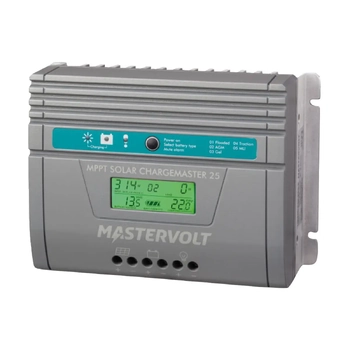
Mastervolt Solar Chargemaster Scm-60
Mastervolt Solar Chargemaster Scm-60
BLA-110784
$879.00
Marine solar panels can support onboard battery charging when a boat is moored, cruising or away from shore power, but the right setup depends on more than panel size. Placement, shading, weather, wiring, regulator or charge-controller design, and battery type can all affect how the system performs. This category helps boat owners compare solar charging options for suitable marine electrical systems. Check product specifications carefully, plan the installation around the vessel layout, and use a qualified installer where required for electrical or permanently mounted systems.
Marine Solar Panels for Onboard Charging Support
Marine solar panels are most commonly considered when a boat needs charging support between shore-power connections, during extended cruising or while stored on a mooring. Output is influenced by panel position, weather, shading, cable length and the wider electrical system, so specifications should be checked before choosing a panel or kit. Do not assume a panel will produce its rated output in every installation real-world performance depends on placement angle, nearby obstructions and available sunlight hours.
For marine solar panels purchases that depend on fitment or setup, the Solar Charging for Boats Guide explains panel size, regulator selection, battery setup and onboard loads.
For broader electrical planning, related marine batteries and marine switch panels may need to be reviewed as part of the same project.
Choosing Panel Size and Mounting Style
Measure the available mounting area and consider whether a rigid, semi-flexible or portable arrangement best suits the vessel. Rigid panels are typically more durable for permanent installations; flexible panels suit curved surfaces; portable panels can be stowed when not in use. Check weight, dimensions and fixing requirements against the mounting surface before purchasing.
Panels placed near shadows from rails, aerials, bimini frames or canvas can have reduced output through parts of the day. Consider where cables will run, how the panel will be secured and whether the planned position allows practical cleaning and inspection over time.
Regulator and Charge Controller Considerations
Most solar installations require a regulator or charge controller to manage charging and protect the battery bank. The right controller depends on panel output, battery type, system voltage and whether the controller needs to integrate with existing charging equipment. Do not assume a panel and battery will work safely without appropriate charge management check the product specifications and system requirements carefully.
Solar equipment should be matched to the boat's existing charging system rather than treated as an independent add-on. Check voltage, current, controller requirements, connectors and manufacturer guidance before purchase. Where the work forms part of a permanent installation, marine electrical equipment and suitable marine electrical wire should also be selected carefully. Use a qualified installer where required, especially when connecting to battery banks, switchboards or regulated charging equipment.
Practical Buying Notes for Australian Boats
For cruising boats, trailer boats and moored vessels, think about when the solar panel will actually receive useful sun and how the boat is stored between uses. A panel mounted flat on a horizontal surface may receive less effective sun than one that can be angled. Shade from covers, masts or rails can change charging conditions through the day.
If the panel will be left connected for longer periods, check controller details, cable protection from chafe and battery compatibility guidance before purchasing. For portable panels, consider how they will be positioned, secured and connected safely during use and stored when not in use. Permanent electrical work should follow manufacturer instructions and be completed by a qualified installer where required.
- Check panel dimensions against available mounting space.
- Review controller, wiring and fuse requirements before purchase.
- Plan for shade, cable routing, salt exposure and cleaning access.
- Confirm suitability with product specifications and battery-system guidance.
Marine Solar Panels FAQ
What size marine solar panel do I need?
Panel size depends on available mounting space, battery capacity, charging demand, shading and system design. Check product specifications and your battery-charging requirements carefully, and do not assume rated output will be achieved in every installation.
Do marine solar panels need a regulator?
Many solar charging systems require a regulator or charge controller to manage panel output and protect the battery bank. Requirements depend on the panel, battery type, system voltage and existing charging equipment. Follow manufacturer guidance for the specific system.
Can boat solar panels help maintain batteries while moored?
They can support battery maintenance in suitable setups, but output depends on panel placement, weather, shading, wiring and battery condition. Results vary by system setup and conditions check specifications and do not assume consistent charging without suitable placement and system design.
Should I choose a rigid or flexible marine solar panel?
The choice depends on mounting surface, available space, handling needs and product specifications. Rigid panels suit flat, permanent surfaces; flexible panels suit curved areas; portable panels offer flexibility for different use cases. Check whether the panel suits the planned location and installation method.
What should I check before connecting solar panels to a boat battery?
Review voltage, current, controller requirements, wiring, fusing, battery type, connection method and installation guidance. Use a qualified installer where required, especially for permanently wired systems connected to battery banks or switchboards.
read more