
Marine Fuel Lines & Fittings
Filters
FILTERS
Length
Price
Filters
Show Filters
(94 Results)
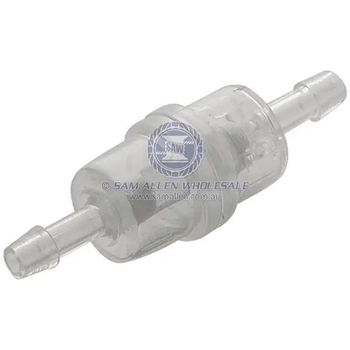
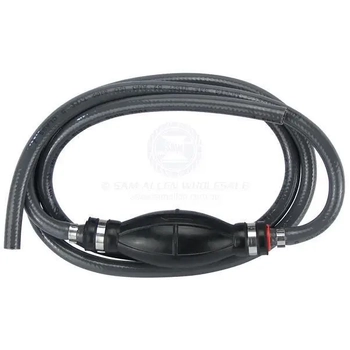
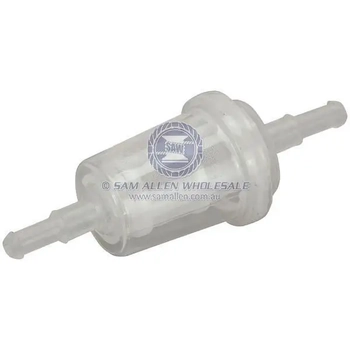
$29.40
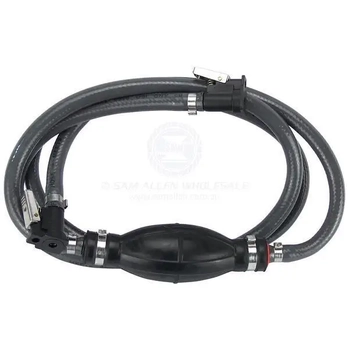
$34.05
$38.00
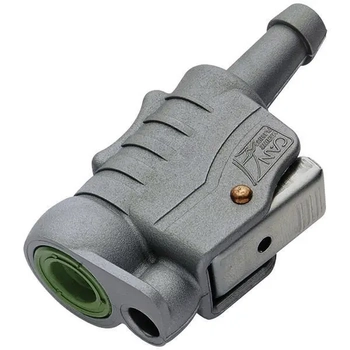
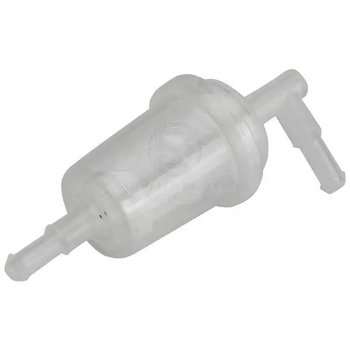
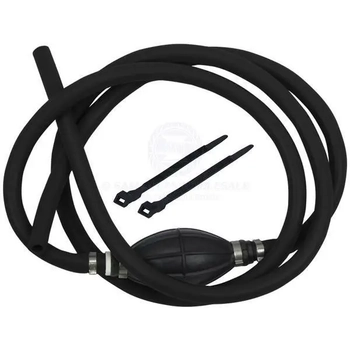
$5.14 off RRP of $102.75
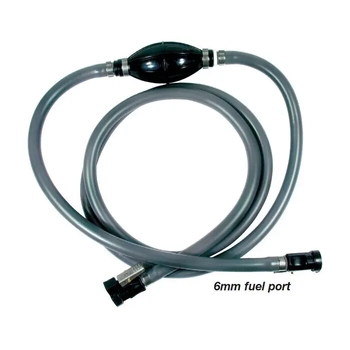
$1.00 off RRP of $19.90
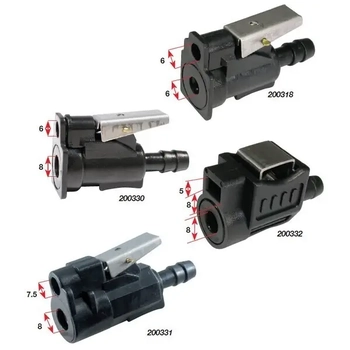
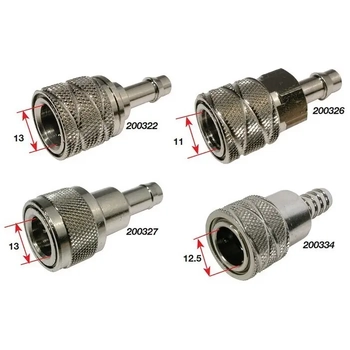
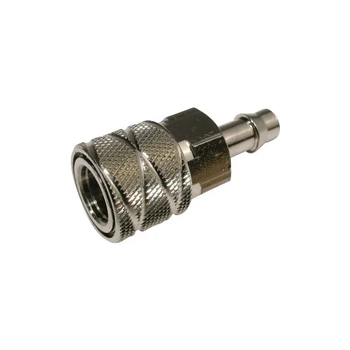
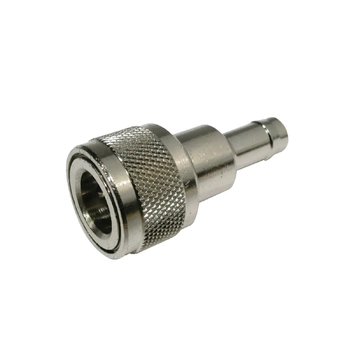
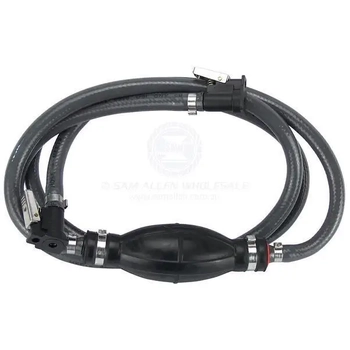
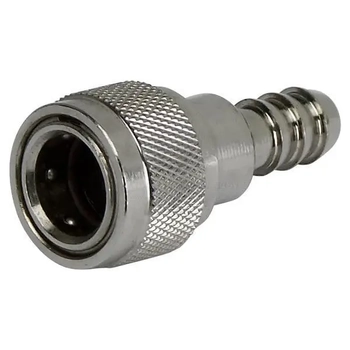
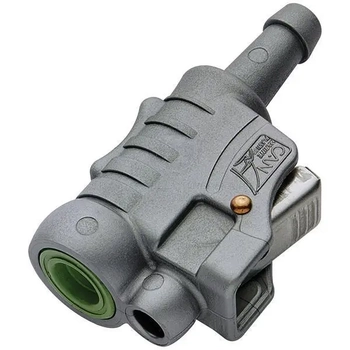
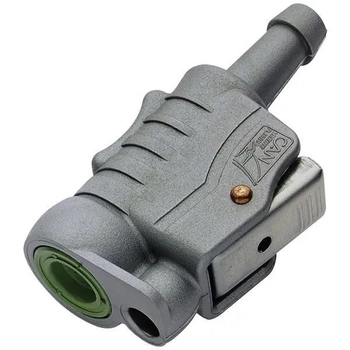
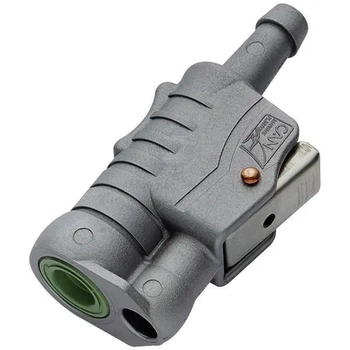
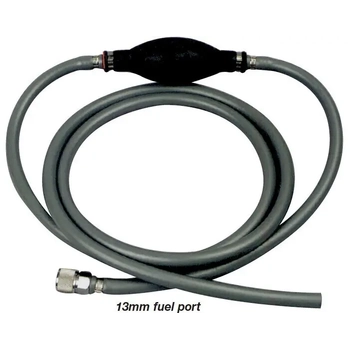
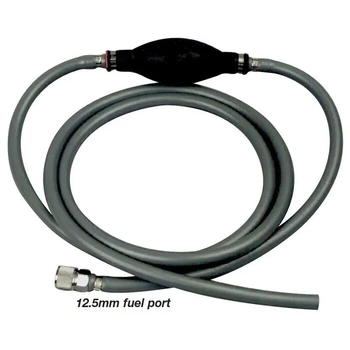
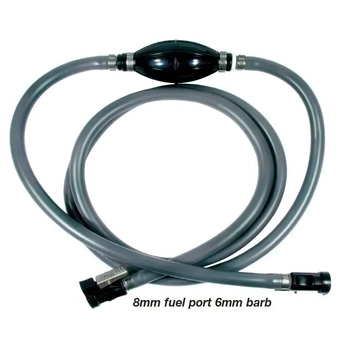
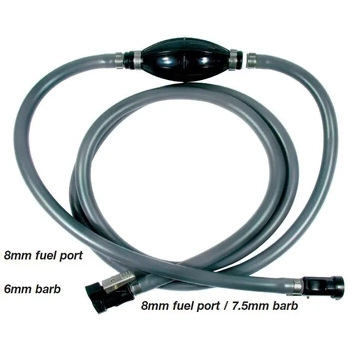
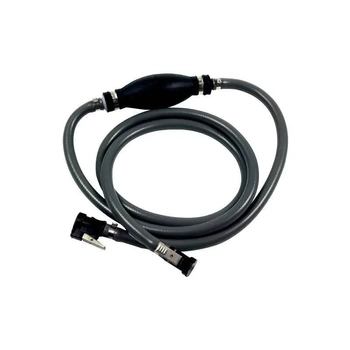
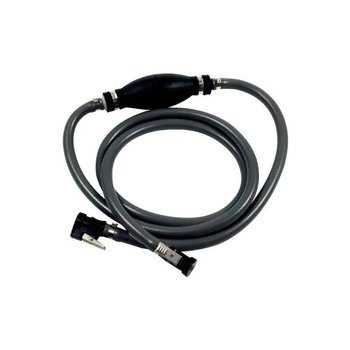
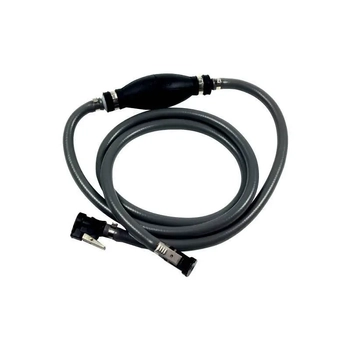
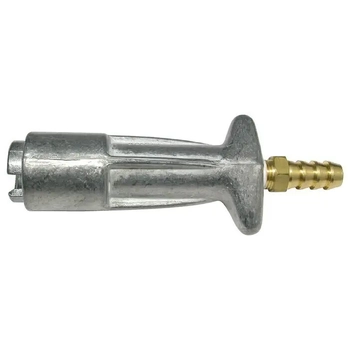
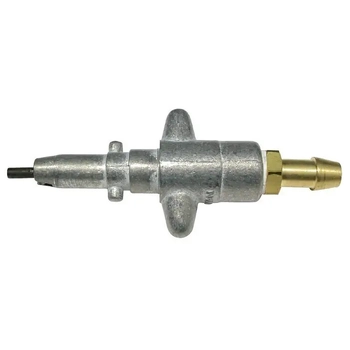
Marine fuel lines and fittings carry fuel between tanks, filters, breathers, primer components and engines. Correct selection matters because hose size, fitting style, material compatibility and routing all affect how the fuel system performs. Match replacement parts to the existing setup and check product specifications before changing any fuel line, connector or fitting.
Choosing marine fuel lines and fittings
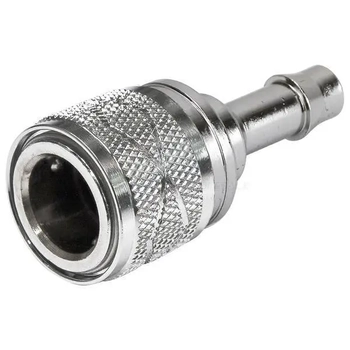
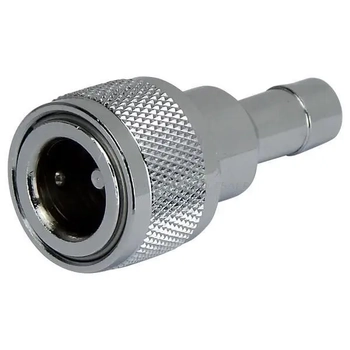
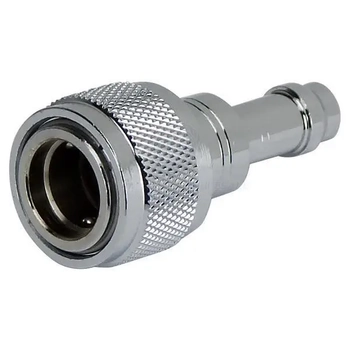
Fuel lines and fittings should be selected for the engine type, tank setup and fuel being used. Start by checking the existing hose diameter, connector style, barb or thread type, primer arrangement and the way the line is routed through the boat. A line that is too small, too long, kinked or poorly supported can create service issues, while a mismatched fitting may leak or fail to seal correctly.
Material suitability is important. Use parts only as the product information allows, and avoid assuming that a general hose or fitting is suitable for fuel. Any fuel-system work should be checked carefully after installation, especially around clamps, joins, filters and tank connections. If in doubt, use qualified marine mechanical advice.
How this category fits into the fuel system
Fuel lines usually work with several other categories. A replacement line may also require a compatible filter from fuel filters and oil filters, a sender or gauge from fuel gauges and senders or a venting component from fuel breathers. If the tank itself is being replaced, compare options in boat fuel tanks and the broader fuel tanks and accessories category.
Routing should avoid sharp bends, hot surfaces and pinch points. Secure the line so it cannot rub against edges or moving parts, and inspect older hoses for cracking, hardening, swelling or fuel smell. Replace suspect components before they become a problem, following the relevant product and engine guidance.
Related categories to consider
- fuel tanks and accessories
- fuel filters and oil filters
- fuel gauges and senders
- fuel breathers
- boat fuel tanks
Before you buy
Check hose size, fitting style, product compatibility, engine requirements and the full fuel-system layout before ordering. Fuel systems need careful installation and inspection, so use professional advice where the work involves tanks, filters, permanent lines or engine connections.
Frequently Asked Questions
When should marine fuel lines be replaced?
Inspect lines for cracking, hardening, swelling, fuel smell, damaged fittings or poor connections. Replacement timing depends on condition, fuel type, installation and manufacturer guidance.
How do I choose fuel line fittings?
Match the fitting to the hose diameter, tank or engine connection, thread or barb style and fuel-system requirements. Check product specifications before purchase.
Can I use standard hose for a boat fuel line?
Only use hose that the product information states is suitable for the intended fuel application. Fuel-system parts should be selected and installed carefully.
read more