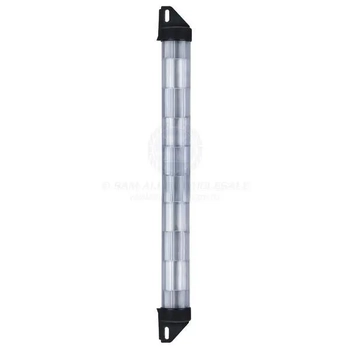

$3.15 off RRP of $62.95
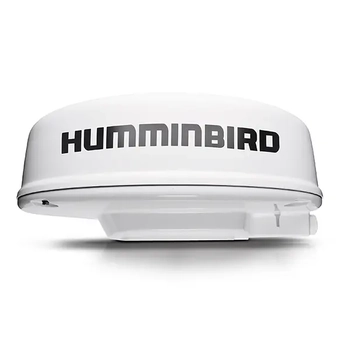
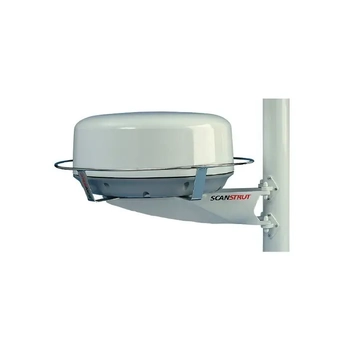
$569.05 $599.00

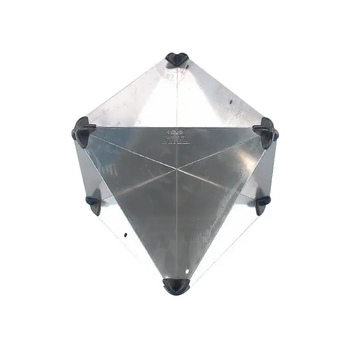
$45.00
Marine radar supports situational awareness by detecting objects around the vessel other boats, coastlines, land masses and weather formations and displaying returns on a compatible screen. It is particularly useful in low visibility, darkness, rain and busier waterways where visual lookout alone is harder. The right radar setup depends on vessel size, mounting position, display compatibility, power supply, installation space and how the boat is typically used. Radar should be treated as one layer of a broader navigation system, not a substitute for good seamanship or regular lookout.
A radar unit transmits radio pulses and receives reflections from objects in its path, building a display that shows returns at varying distances and angles around the vessel. It can help identify land, vessels, anchored boats, buoys, rain squalls and other features depending on conditions, settings and operator skill. Radar interpretation takes practice understanding gain, sea clutter, range settings and the difference between real targets and false echoes is part of using radar effectively.
Radar shoppers often compare the broader marine electronics category first, then narrow to radar once display and network requirements are understood. Most recreational radar is used in combination with compatible GPS chartplotters that overlay radar returns on the chart for easier interpretation.
Recreational marine radar is available in two main physical styles. Radome units are self-contained, sealed housings that mount easily on arches, hard tops or masts they are the most common choice on recreational boats. Open-array scanners have a separate rotating antenna and are typically larger they offer longer range and better target discrimination, but are more suited to larger vessels where the mounting structure and power budget support them.
Radar is also categorised by transmission technology. Conventional pulse radar has been the standard for many years. Solid-state broadband radar uses lower power and provides better short-range resolution and faster updates, with reduced interference and safer operation near crew. Each has different range, power and detection characteristics check product specifications for the type, power output, range and display options.
Before purchasing radar, confirm that it is compatible with the intended display or chartplotter. Most recreational radar is designed to work with a specific manufacturer's chartplotter or display check whether the radar and display use the same network protocol. Consider mounting height (higher mounting improves range and reduces sea clutter near the antenna), cable routing from the scanner to the display, power supply capacity and whether any additional hardware or software is required.
Related marine instruments and an independent marine compass should be considered alongside radar for a complete helm layout. Use a qualified installer where mounting, wiring or system configuration is involved.
On Australia's coastal waters, radar earns its place most clearly on boats that travel early in the morning before sunrise, make overnight passages, cross open bays or estuaries in reduced visibility, or operate in areas with high traffic or unpredictable weather. It is also a standard component for offshore fishing boats where it can help locate birds and baitfish activity near squalls.
Performance in Australian conditions can be affected by the specific sea state, humidity, temperature and clutter characteristics of the water. Radar does not guarantee detection of all targets in all conditions low-lying vessels, inflatable craft, wooden boats and debris may not return strong echoes. Maintain a proper lookout and appropriate speed for conditions at all times.
Radar supports awareness but does not remove the responsibility for lookout, speed adjustment or careful decision-making. Operators should understand what the display is showing how range and gain affect what appears, how sea clutter and rain clutter settings work, and why some targets may appear or disappear. Radar is a tool that rewards practice and understanding, and works best as part of a complete navigation and watchkeeping approach rather than a passive screen.
Marine radar detects returns from objects around the vessel and displays them on a compatible screen, supporting awareness of other boats, land, buoys and weather. It is most useful in low visibility, darkness and conditions where visual lookout is limited. It does not replace lookout or safe navigation practice.
Consider vessel size, mounting location (arch, mast or hardtop), radar type (radome or open array), power output and range, display compatibility, power supply and installation requirements. Check whether the radar is designed to work with the intended chartplotter or display before purchasing.
In most cases, yes. Recreational radar is typically designed to work with a specific manufacturer's display or over a specific network protocol. Check compatibility between the radar and the intended display before purchasing mismatched equipment may not integrate, even if the same brand name appears on both units.
Radome radar is typically mounted on an arch, radar pole, hard top or mast. Mounting height affects detection range and sea clutter higher mounting provides better range but may create blind spots close to the vessel. Follow the manufacturer's mounting guidance and use a qualified installer where structural work or complex wiring is involved.
Yes, radar can support awareness in fog, rain, darkness and low-visibility conditions by detecting nearby vessels and land. However, not all objects return strong echoes low-profile vessels, inflatables and debris may not appear clearly. Continue to reduce speed in restricted visibility, maintain a proper lookout and apply the full COLREGS requirements for the conditions.
ABN: 99 423 721 756