
$47.52 off RRP of $950.45
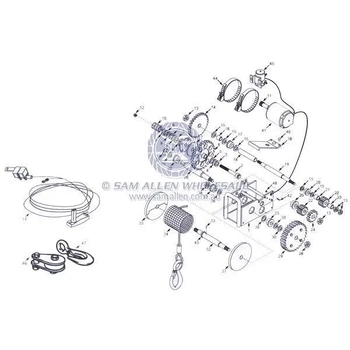
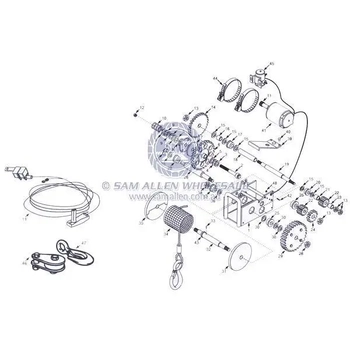
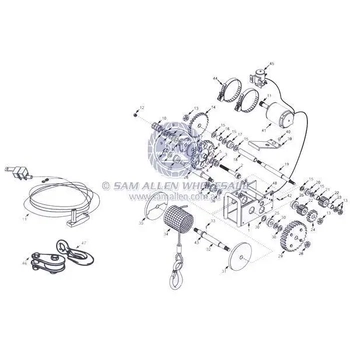
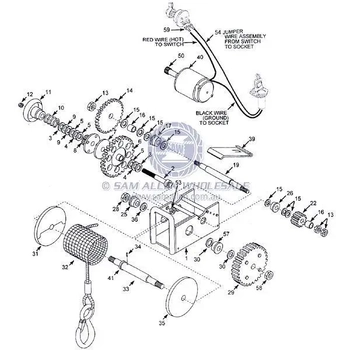
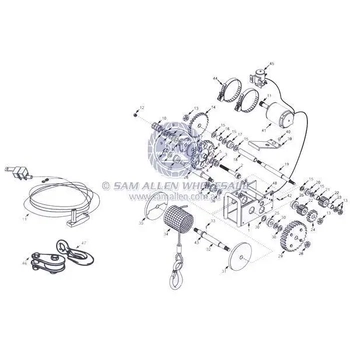
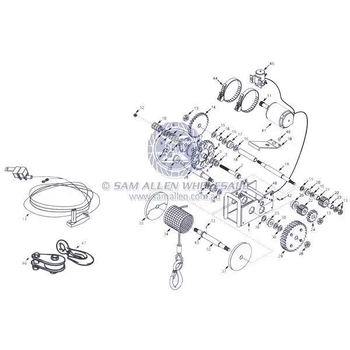
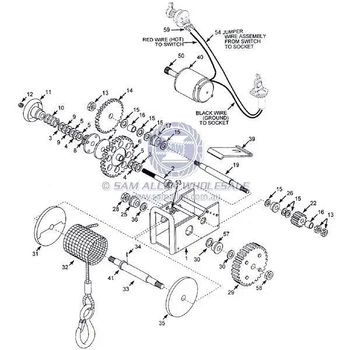
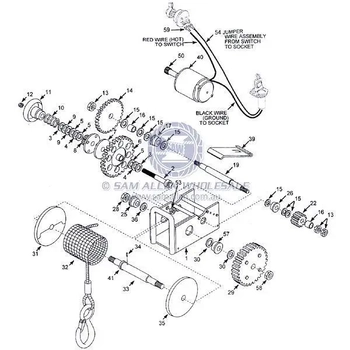
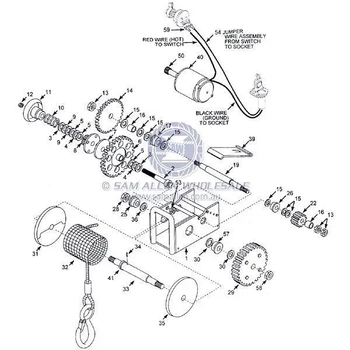
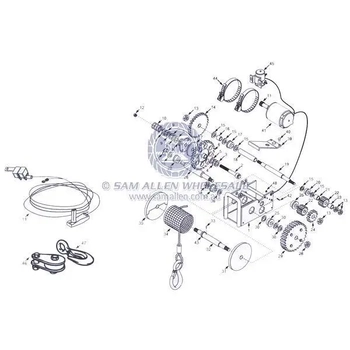
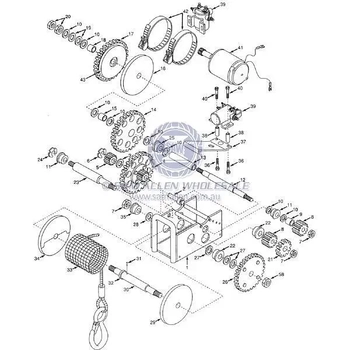
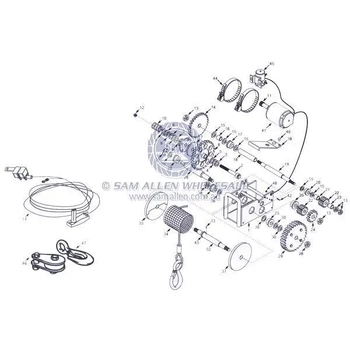
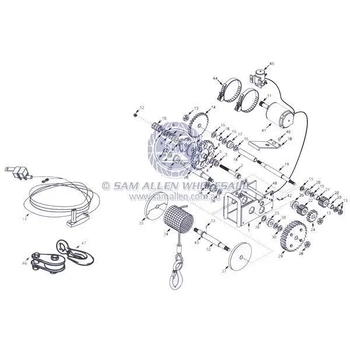
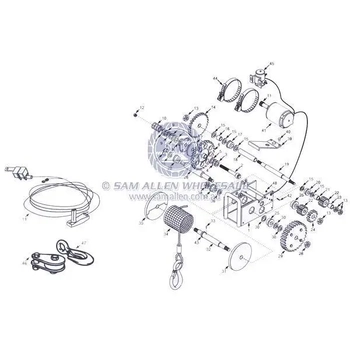
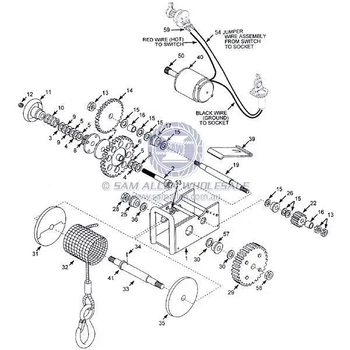
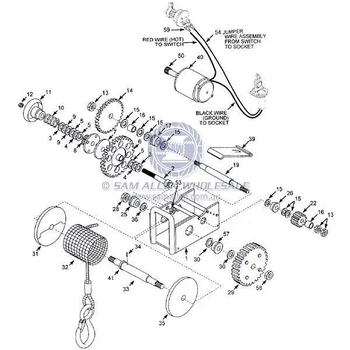
Electric trailer winches are designed to make boat retrieval planning easier for trailer boat owners who want powered assistance at the ramp. The right choice depends on the boat and trailer combination, winch post position, rated pull, strap or cable style, power supply and mounting space. Use this category to compare electric winch options carefully, then check product specifications and manufacturer guidance before purchase or installation. Consider the ramp conditions, retrieval routine and how often the trailer is used so the winch choice supports the full towing setup.
An electric trailer winch is usually considered when manual retrieval is awkward, frequent or tiring. Start by checking the boat and trailer setup rather than choosing by product name alone. Rated pull, hull weight, ramp angle, winch post position, bow eye height and trailer roller setup can all affect suitability. Product specifications should be checked carefully before purchase, and wiring or mounting work should follow manufacturer instructions.
When you are narrowing down electric trailer winches, the Boat Trailer Winch Buying Guide gives a practical overview of winch style, strap/cable choice and trailer retrieval setup.
Compare the stated rating with the actual boat and trailer combination, allowing for how the boat loads onto the trailer. Look at whether the winch uses a strap or cable, how the hook connects, how the switch or remote is arranged and where the power supply will be taken from. A compact unit may suit one trailer setup while another boat may need a different mounting position or winch style.
Winch selection is only one part of trailer setup. It can be useful to compare the wider boat trailer winches, check the condition of trailer jockey wheels, review transport restraint through boat trailer tie downs and consider trailer electrical connections where powered trailer equipment adds wiring checks.
Electric trailer winches are often compared by rated pull, but buyers should also think about how the boat sits on the trailer. Roller condition, skid layout, bow stop position and ramp angle can all change how much effort is involved during retrieval. The power supply also needs careful attention. Check whether the product requires a dedicated battery, vehicle connection or other approved wiring method, and avoid modifying electrical components outside the manufacturer guidance.
Also consider how the winch will be operated at the ramp. Some setups use a wired control, while others may use a remote or switch arrangement. Placement should allow the operator to keep clear of the cable or strap path and follow the product instructions. Inspect the strap, hook, mounting bolts and winch post regularly, replacing worn parts according to the manufacturer guidance.
After installation, routine inspection remains important. Look for wear on the strap or cable, check the hook and safety latch, review mounting bolts, and keep the winch area clear of damage or corrosion. If the trailer has been used in salt water, clean and maintain the winch in line with the product instructions. Replace worn components rather than continuing to use doubtful gear. Buyers should also consider whether manual backup, ramp access, storage space and towing routine make powered retrieval practical for their setup. Product selection should be based on the full trailer system, not a single rating line.
Australian trailer boat owners launch at ramps that vary considerably in angle, surface condition, access width and tidal exposure. These differences affect how a trailer loads and how much effort goes into retrieval, which in turn affects what an electric winch needs to manage. At steeper or rougher ramps, the load on the winch can be greater than at a gradual concrete ramp in calm conditions.
Weather conditions, ramp congestion and how often the boat is launched each season can also influence whether powered retrieval is worth planning for the setup. Some buyers find a winch most useful at remote or less-maintained ramps, while others primarily use it at busy marina facilities. In all cases, check the winch rating, trailer condition and installation requirements before relying on powered retrieval.
Start with the boat and trailer setup, then compare rated pull, mounting dimensions, strap or cable style and power requirements. Check product specifications before purchase.
Check the winch post, bow eye height, mounting space, wiring route and trailer condition. A qualified installer may be needed for electrical work.
Many electric winches need a suitable power supply and wiring arrangement. Check the product manual and use a qualified installer where required.
Both styles can suit different trailer setups. Compare the product specifications, retrieval conditions and maintenance requirements before choosing.
Review tie downs, jockey wheels, trailer rollers and trailer electrical connections so the wider trailer setup suits the intended use.
ABN: 99 423 721 756