
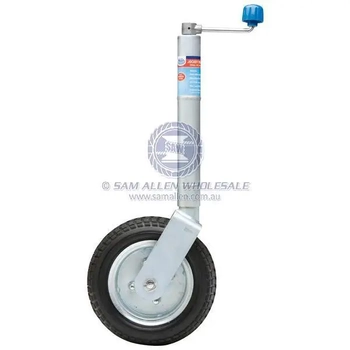
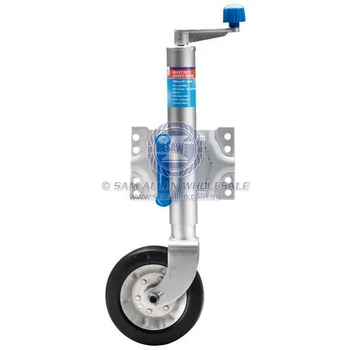
$204.82 $215.60
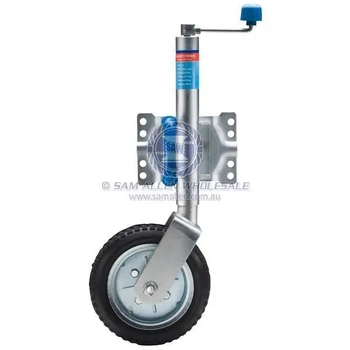
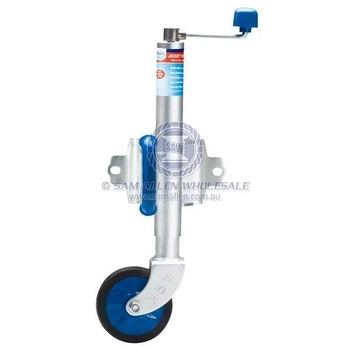
$96.14 $101.20
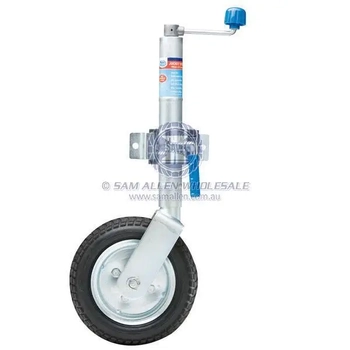
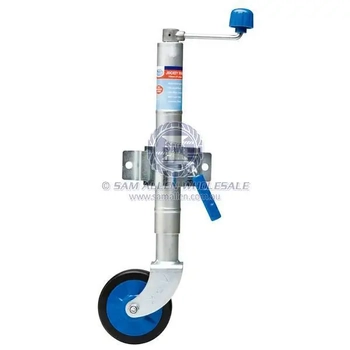
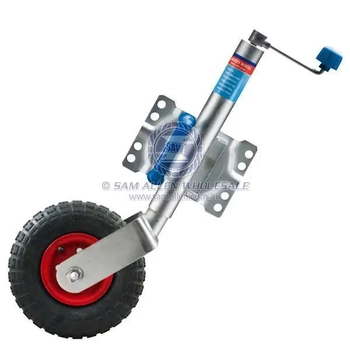
$151.34 $159.30
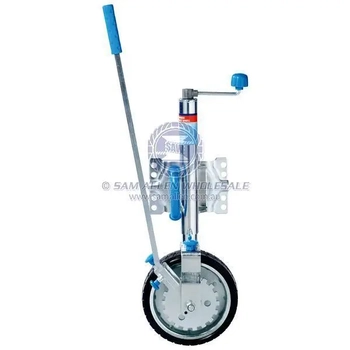
$302.29 $318.20
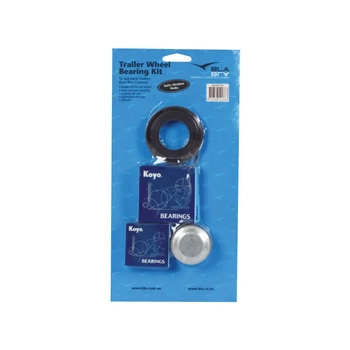
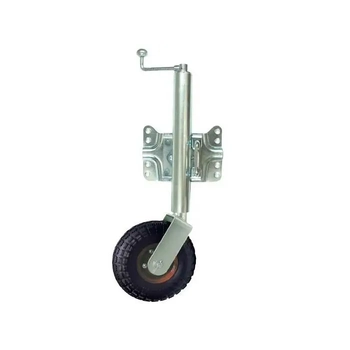
$180.41 $189.90
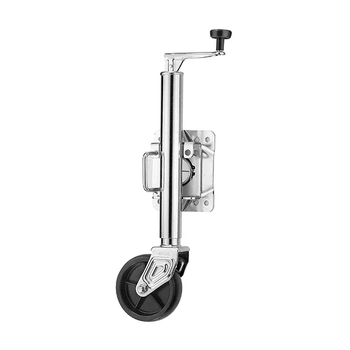
$199.41 $209.90
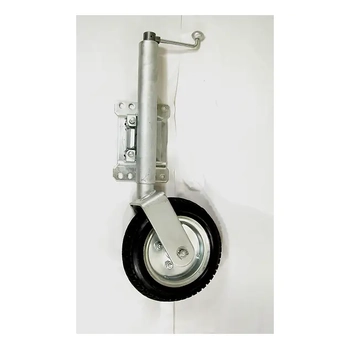
$218.41 $229.90
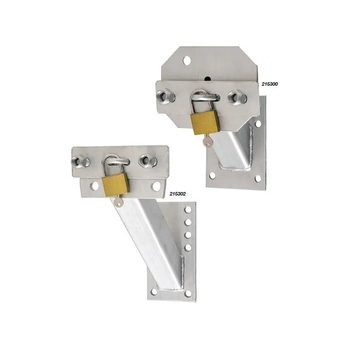
$104.41 $109.90
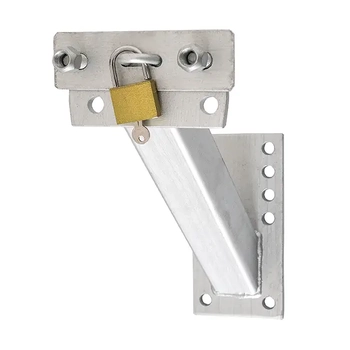
$132.91 $139.90
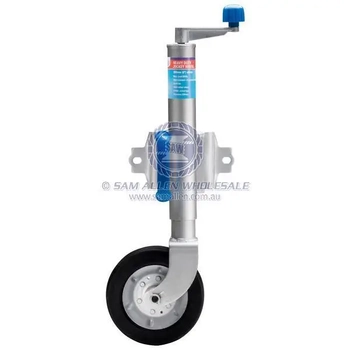
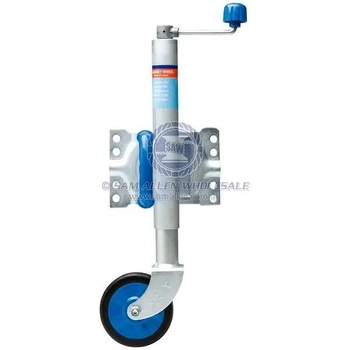
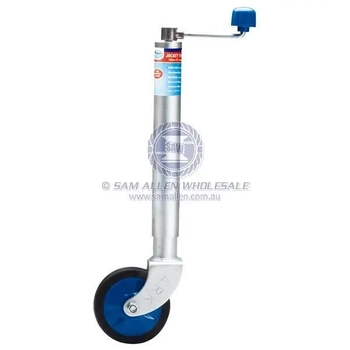
Trailer jockey wheels help support and manoeuvre a boat trailer when coupling, storing or positioning it around the driveway, shed or ramp area. The right option depends on trailer weight, clamp style, shaft size, wheel type, mounting height and the ground surface where it will be used. Check the product specifications and your trailer setup before replacing a worn jockey wheel. This category suits buyers comparing complete jockey wheels and related parts for day-to-day trailer handling and storage tasks. It also helps compare replacement assemblies with spare parts when the existing unit is only partly worn.
A trailer jockey wheel should be selected around the trailer it will support and the surfaces it will roll over. Smaller wheels may suit light-duty positioning on hard surfaces, while larger or different wheel styles may be considered where ground conditions are rougher. Always check product ratings, dimensions and mounting requirements rather than assuming a jockey wheel suits every trailer.
If replacing parts rather than the full assembly, review jockey wheel spare parts first. For broader trailer maintenance, the parent boat trailer parts category can help identify related hardware.
Look at the shaft diameter, clamp size, handle style, mounting position and travel range. A replacement jockey wheel should provide practical height adjustment for coupling and uncoupling while matching the trailer's mounting bracket or clamp. If the clamp is worn, bent or loose, replacing only the wheel may not solve the issue.
Jockey wheels are one part of a safe trailer setup. While servicing the front of the trailer, also check winch hardware and related support items. If you are maintaining the trailer more broadly, inspect trailer wheel bearings and other running gear as well. For retrieval upgrades, electric trailer winches may be relevant on suitable trailers.
Choose according to trailer size, mounting style and expected use. Confirm specifications before purchase and use a qualified installer or service provider where required.
Jockey wheels often do their hardest work when a trailer is being moved slowly by hand, lined up with a tow vehicle or parked on uneven ground. Wheel size and material can affect how easily the trailer moves, but the right choice still depends on the trailer load, surface and clamp arrangement. Check the product details before choosing a replacement.
Regular inspection can also help avoid frustration at the ramp. Look for bent shafts, worn handles, loose clamps and damaged wheels. If several parts are worn, a complete assembly may be more practical than replacing a single component.
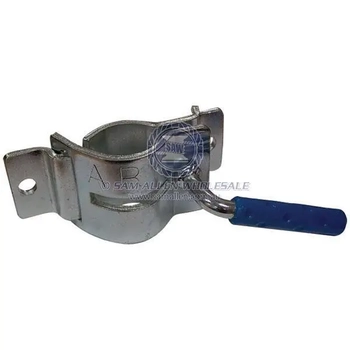
The jockey wheel assembly is only as useful as the clamp and mounting area that hold it. A worn clamp can allow movement, while the wrong shaft diameter may not secure properly. Check whether the replacement is a complete assembly or whether parts such as wheels, handles or clamps need to be matched separately.
Storage height is another practical detail. The jockey wheel should lift clear when towing and still provide enough adjustment when coupling or uncoupling. Compare the travel range and mounting position against the existing trailer before purchase.
If the trailer is stored on gravel, grass or sloped ground, wheel size and surface contact become more important. Check product guidance before relying on a particular style.
A jockey wheel that is regularly used at boat ramps and storage areas is exposed to the same salt, grit and UV conditions as the rest of the trailer. Periodic inspection of the wheel, shaft, clamp and handle can help identify wear before it becomes a problem. Look for roughness in wheel rotation, movement in the clamp, wear in the shaft keyway and difficulty in handle operation.
If the jockey wheel is stored in a lowered position for extended periods, check whether the shaft has developed any surface corrosion that might make height adjustment harder when it is next needed. Applying a light lubricant to the shaft and clamp mechanism where the product allows can help keep the adjustment action consistent over time.
Check trailer weight, shaft size, clamp type, wheel size, height range and ground surface. Confirm product specifications before purchase.
No. They vary by shaft diameter, clamp style, wheel type, mounting height and rated use, so fitment should be checked.
The right size depends on trailer setup, coupling height, load, surface and mounting arrangement. Compare measurements with product specifications.
Both can suit different uses. Compare surface conditions, maintenance preference, wheel size and product guidance before choosing.
Check the clamp, shaft diameter, handle, wheel condition, mounting bracket, trailer coupling height and product load information.
ABN: 99 423 721 756