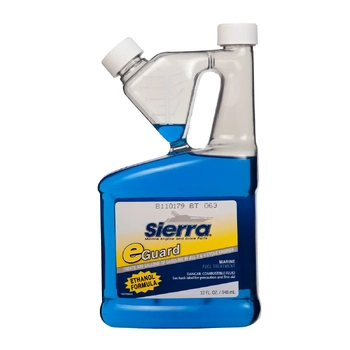
$61.66 $64.90
$3.24 off RRP of $64.90
Free Shipping over $499*
Huge Range
Zip & Afterpay Available
Over 100+ Brands

Login / Register
Login / Register
$0.00
$61.66 $64.90

$28.90
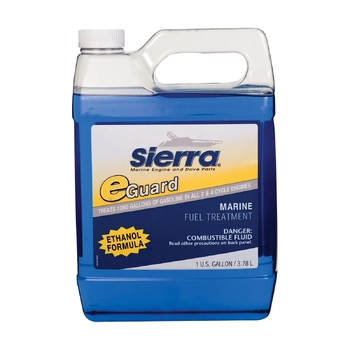
$189.91 $199.90
Marine fuel additives and conditioners support fuel storage, routine engine care and seasonal lay-up by helping boat owners manage petrol or diesel fuel condition before problems become expensive.
Marine fuel additives are usually selected for a specific job: treating fuel before storage, helping manage moisture, supporting cleaner fuel-system operation or preparing fuel for regular use after a period off the water. The right option depends on whether the boat runs petrol or diesel, how often it is used, and whether the fuel sits in the tank for weeks or months between trips.
For trailer boats and weekend runabouts, the main issue is often time. Fuel that sits for long periods can become less reliable, especially when the tank is partly full and exposed to changing temperatures. A fuel conditioner may be useful before lay-up, while a treatment product may suit tanks that need ongoing care through the boating season. Always follow the label dosage, because more additive is not automatically better.
Start with the fuel type and the manufacturer instructions for the engine. Petrol outboards, inboards and diesel setups can have different treatment requirements. Check whether the product is intended for petrol, diesel or both, then compare the stated treatment ratio against the size of your tank. Boats with portable tanks, built-in tanks or long fuel lines may also need different supporting parts across the broader marine fuel tanks and accessories category.
Fuel additives are only one part of the system. If fuel delivery is inconsistent, also inspect hoses, fittings, filters, breathers and primer components. Related categories such as marine fuel lines and fittings, marine fuel breathers and marine fuel funnels can help complete a careful fuel-system check.
Fuel treatment is not a substitute for old or contaminated fuel-system parts. If fuel smells stale, contains visible debris or the engine manufacturer recommends a service procedure, follow that guidance first. Additives are most useful as part of sensible maintenance alongside clean storage, sound hose connections and correctly vented tanks.
Marine fuel additives are used for tasks such as fuel conditioning, storage preparation and routine fuel-system maintenance. The right product depends on the fuel type, engine instructions, tank size and whether the boat is used regularly or stored for long periods.
Only if the product label states it is suitable for that fuel type. Petrol and diesel systems can have different treatment requirements, so check the product instructions and engine manufacturer guidance before use.
Use the dosage rate printed on the product label and calculate it against the amount of fuel in the tank. Avoid guessing or overdosing, because treatment ratios are designed around the product formula.
Be the first to know about latest news, offers and discounts!
ABN: 99 423 721 756



Welcome to our website. If you continue to browse and use this website, you are agreeing to comply with and be bound by the following terms and conditions of use, which together with our privacy policy govern Marine Depot’s relationship with you in relation to this website. If you disagree with any part of these terms and conditions, please do not use our website.
The term ‘Marine Depot’ or ‘us’ or ‘we’ refers to the owner of the website whose registered office is . Our ABN is 99 423 721 756. The term ‘you’ refers to the user or viewer of our website.
The use of this website is subject to the following terms of use:
Marine Depot respects your privacy and is committed to protecting your personal information.
This Privacy Policy explains how we collect, use, store and disclose personal information when you visit our website, place an order, create an account, contact us, subscribe to marketing, request a return, make a warranty claim, or otherwise interact with Marine Depot.
By using our website or providing personal information to Marine Depot, you agree to the handling of your personal information as described in this Privacy Policy.
Marine Depot may collect personal information including:
Your name
Billing address
Delivery address
Email address
Phone number
Order details
Account login details
Delivery instructions
Enquiry details
Return, refund and warranty claim information
Product reviews, feedback or customer service information
Marketing preferences
IP address, browser type, device information, website usage information and cookie data
Where you purchase on behalf of a business, we may also collect business information such as business name, ABN, delivery site details and authorised contact details.
Marine Depot does not store your full credit card details. Payments are processed through secure third-party payment providers.
When you place an order, we collect the information required to process, fulfil and deliver that order. This may include your contact details, billing details, delivery details, order contents, payment method, delivery instructions and related customer service information.
Payment information is used to process and authorise payment for your order, reduce fraud risk and complete your purchase. Depending on the payment method selected, your payment information may also be collected and processed by third-party payment providers such as PayPal, Zip, Afterpay or card payment processors.
We may collect personal information when you:
Place an order through our website
Create or update a customer account
Contact us by email, phone, website form, chat or social media
Subscribe to email marketing or promotions
Request a return, exchange, refund or warranty assessment
Submit a product review, enquiry or feedback
Participate in promotions, offers, surveys or competitions
Browse or interact with our website
We may also collect information from third parties where necessary to process your order, verify payment, manage delivery, investigate fraud, process returns, assess warranty claims, or provide customer support. This may include payment providers, couriers, suppliers, distributors, fraud prevention providers, ecommerce platforms and marketing or analytics providers.
Marine Depot collects and uses personal information to:
Process, fulfil and deliver orders
Communicate with you about your order
Provide customer service and product support
Manage returns, exchanges, refunds, warranty claims and consumer guarantee assessments
Verify payments and reduce fraud risk
Create and manage customer accounts
Respond to enquiries, complaints and feedback
Send marketing communications where permitted
Run promotions, offers, surveys or competitions
Improve our website, products, services and customer experience
Analyse website performance and customer behaviour
Maintain business, tax and accounting records
Comply with legal, regulatory and consumer law obligations
Protect Marine Depot, our customers, suppliers, website and systems from misuse, fraud, security threats or unlawful activity
Marine Depot may use your contact details to send marketing communications, including sale information, promotions, product updates, new product releases, abandoned cart reminders, back-in-stock notifications and other relevant offers.
You can unsubscribe from marketing emails at any time by using the unsubscribe link in the email or contacting us.
We may still send you non-marketing communications relating to your order, account, delivery, return, warranty claim, refund, customer service enquiry or legal obligations.
Marine Depot may use cookies, pixels, analytics tools, advertising tags and similar technologies to operate our website, remember preferences, maintain shopping cart functionality, improve site performance, measure marketing effectiveness and understand how customers use our website.
These technologies may collect information such as your IP address, browser type, device type, pages visited, products viewed, referring website, time spent on site, purchases, cart activity and interactions with our website.
We may use tools such as Google Analytics, Google Ads, remarketing tags, advertising pixels and similar services to understand website usage, measure advertising performance and deliver relevant advertising.
You can adjust your browser settings to refuse or delete cookies. Some website features, including cart, account or checkout functions, may not work properly if cookies are disabled.
Marine Depot does not sell personal information about individual customers.
We may disclose personal information where reasonably necessary for our business operations, including to:
Payment processors and merchant facilities
PayPal, Zip, Afterpay and other payment providers
Couriers, freight companies and Australia Post
Warehouses, fulfilment providers and logistics partners
Suppliers, manufacturers and distributors
Repair agents and warranty assessment providers
Ecommerce platform providers
Website hosting and IT service providers
Email, SMS, marketing and analytics providers
Fraud prevention and payment verification providers
Accountants, legal advisers, insurers and professional advisers
Government, regulatory or law enforcement bodies where required or permitted by law
For warranty, return, fault or product support matters, we may share relevant order details, product information, photos, installation details, usage details and customer contact information with suppliers, manufacturers, distributors, repair agents or freight providers where necessary to assess or resolve the matter.
We may also disclose personal information where necessary to comply with the law, enforce our website terms or policies, recover debts, investigate suspected fraud, or protect the rights, property or safety of Marine Depot, our customers, suppliers, staff or others.
If Marine Depot, or substantially all of its business or assets, is sold, merged, restructured or transferred, customer information may be disclosed or transferred as part of that transaction, subject to applicable privacy laws.
If you choose to pay using PayPal, Zip, Afterpay or another third-party payment provider, your personal information and payment information will also be handled by that provider in accordance with their own terms, conditions and privacy policy.
Marine Depot does not control how those providers assess applications, approve transactions, manage accounts, collect repayments or handle information submitted directly to them.
Our website may contain links to third-party websites for your convenience. Marine Depot is not responsible for the privacy practices, content, availability, products, services or security of third-party websites.
Accessing third-party websites is at your own discretion. We recommend reviewing the privacy policy and terms of any third-party website you visit.
Some of our service providers, technology platforms, payment providers, marketing providers, analytics providers or cloud hosting providers may store or process personal information outside Australia.
Where personal information is disclosed or processed overseas, we take reasonable steps to ensure it is handled in a way that is consistent with applicable Australian privacy requirements.
Marine Depot takes reasonable steps to protect personal information from misuse, interference, loss, unauthorised access, modification or disclosure.
We use security measures which may include secure checkout technology, SSL encryption, access controls, password protection, secure service providers, fraud screening and internal procedures.
However, no method of online transmission or electronic storage is completely secure. Customers should also take care to protect their account login details and notify us promptly if they believe their account or personal information has been compromised.
You may contact Marine Depot to request access to personal information we hold about you, or to request correction if you believe it is inaccurate, out of date, incomplete, irrelevant or misleading.
We may need to verify your identity before responding to an access or correction request.
Marine Depot keeps personal information for as long as reasonably necessary for the purposes described in this Privacy Policy, including order fulfilment, customer support, warranty and returns management, legal compliance, accounting, tax, fraud prevention, dispute resolution and business record keeping.
When personal information is no longer required, we will take reasonable steps to securely destroy, delete or de-identify it where appropriate.
Marine Depot may update this Privacy Policy from time to time.
If we make material changes to how we collect, use or disclose personal information, we may notify customers by posting an updated version on our website, sending an email notification, or using another reasonable method.
The updated Privacy Policy will apply from the date it is posted or otherwise stated. We encourage customers to review this page periodically.
If you have a question, concern or complaint about how Marine Depot handles your personal information, please contact us first so we can investigate and respond.
Please include your name, contact details and a description of your concern.
If you are not satisfied with our response, you may be able to contact the Office of the Australian Information Commissioner or another relevant privacy regulator.
For privacy questions, access or correction requests, or privacy complaints, please contact Marine Depot using the contact details available on our website.


