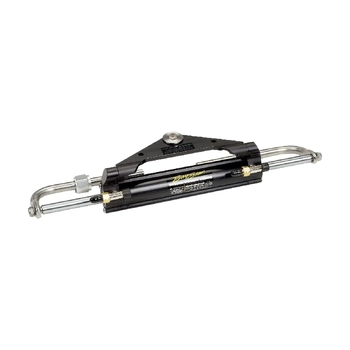
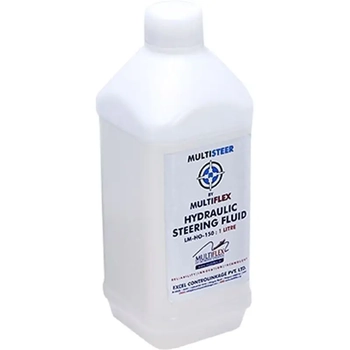
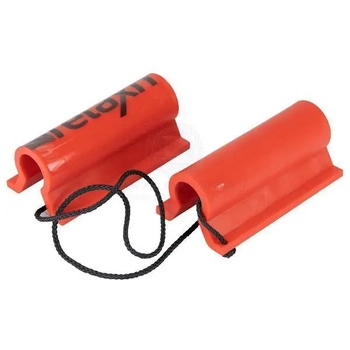
Marine hydraulic steering is used on suitable boats where smooth helm control, steering response and reliable system matching are important. This category helps you review hydraulic steering components and related options while keeping compatibility front of mind. Steering selection depends on engine type, horsepower range, helm layout, hose routing and the existing steering system, so product specifications and manufacturer instructions should always be checked before purchase. For new installations, major upgrades or uncertain setups, use a qualified installer where required.
How Marine Hydraulic Steering Works
Hydraulic steering uses a fluid-filled circuit between the helm pump and the cylinder at the engine to translate steering input into smooth, consistent engine movement. The helm unit contains an internal pump that pressurises the fluid as the wheel is turned; the cylinder at the engine converts that pressure into physical movement of the engine or rudder. Because the system is fluid-connected, there is no direct mechanical cable between the wheel and the engine this is what gives hydraulic steering its characteristic feel.
This page sits within marine engine controls and steering, where related products including marine cable steering can be compared. Cable steering remains a practical option for many smaller outboard setups hydraulic is typically chosen where engine size, load or preference for smoother operation makes it the better fit.
Choosing Steering Kits and Components
Hydraulic steering is available in full kits, which include the helm pump, cylinder, hose and fittings, or as individual components where part replacement rather than full installation is required. Full kits suit new installations or complete system replacements; individual components suit situations where one part has failed in an otherwise sound system.
When choosing, confirm the engine type, horsepower range and the cylinder style required for the transom configuration. Related components such as marine steering wheels and steering tie bars may be relevant for twin-engine setups or helm upgrades alongside the hydraulic system.
Compatibility and Installation Checks
Hydraulic steering components are not universally interchangeable helms, cylinders, hoses and fittings need to be matched to each other and to the engine setup. Mixing components from different manufacturers or systems without checking compatibility can result in poor operation, leaking connections or unsafe steering behaviour. Always check the full system compatibility against product specifications before ordering.
Hose routing matters as much as component selection. The hose run between the helm and the cylinder should be planned to avoid sharp bends, heat sources and areas prone to chafe or compression. Hose length requirements depend on the specific boat layout and should be measured before ordering.
For any new hydraulic steering installation or major component change, use a qualified marine mechanic or installer. Steering is safety-critical work that affects steering operation should not be undertaken without the appropriate skills and equipment.
Maintenance and Service Notes
Hydraulic steering systems require periodic checks for fluid level, hose condition and connection integrity. Low fluid can cause heavy or inconsistent steering; leaks should be traced and repaired before the system is used. Hoses should be inspected regularly for cracking, chafe and fitting security, particularly where they pass through bulkheads or near hot surfaces. Follow the manufacturer's service schedule for fluid type, fill procedure and bleeding requirements specific to the system in use.
Marine Hydraulic Steering FAQ
What is marine hydraulic steering?
Marine hydraulic steering uses a fluid-filled circuit between the helm pump and a cylinder at the engine to translate steering input into smooth engine movement. The system replaces the direct cable connection of mechanical steering with a fluid link, which provides a lighter, more consistent steering feel on suitable boats.
How do I choose a hydraulic steering kit?
Confirm the engine type, horsepower rating, transom configuration and helm layout before choosing. Check whether a full kit or individual replacement components are needed. Verify that the helm, cylinder, hose and fittings are compatible with each other and with the engine and vessel. Follow the manufacturer's selection guide and use a qualified installer where the system is new or the installation is uncertain.
Is hydraulic steering better than cable steering?
Hydraulic steering can provide a lighter, smoother feel that suits larger outboards and higher-load applications. Cable steering is practical and cost-effective for many smaller outboard setups and does not require fluid maintenance. Which is more appropriate depends on the engine size, the vessel layout, budget and preference check product specifications and consider the full installation implications before choosing.
What parts are included in a hydraulic steering system?
A full hydraulic steering kit typically includes a helm pump, cylinder, hydraulic hose, fittings and hydraulic fluid but contents vary by product. Check the kit specifications carefully. Some kits include all hardware; others may require additional components such as a tilt helm or extended hose depending on the vessel layout.
Do I need a qualified installer for hydraulic steering?
For new hydraulic steering installations and major component changes, using a qualified marine mechanic or installer is strongly recommended. Steering is safety-critical incorrect fitting, hose connection errors or air in the system can affect steering response in a way that is dangerous. Follow manufacturer installation instructions as the minimum and seek professional support where the installation is uncertain.