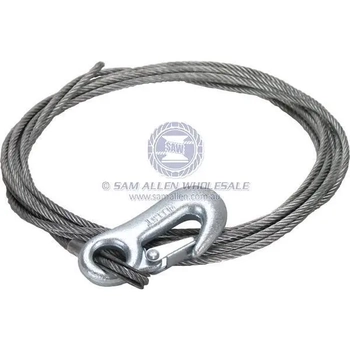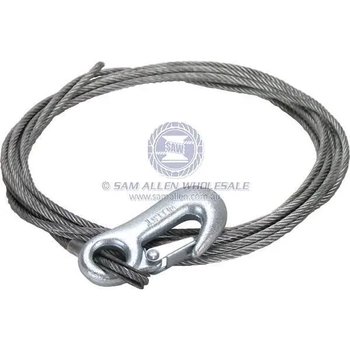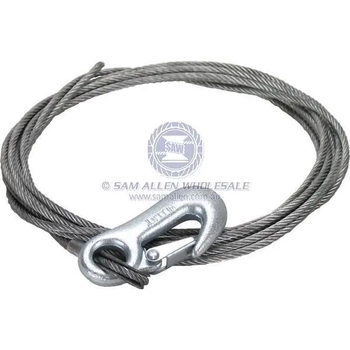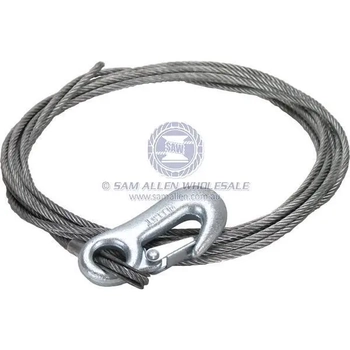

$58.95 $62.05
$3.10 off RRP of $62.05
$58.95 $62.05
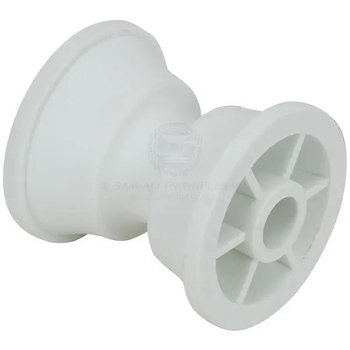
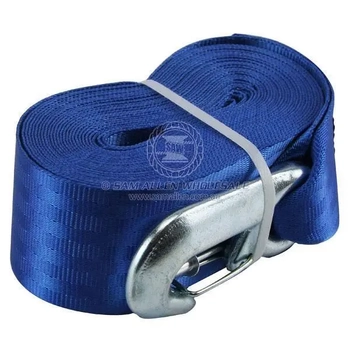
$29.95
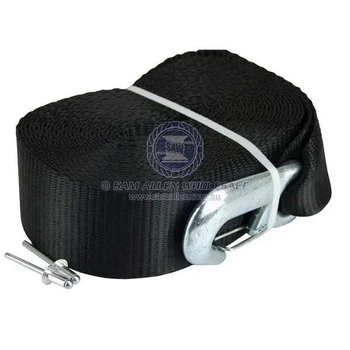
$43.45
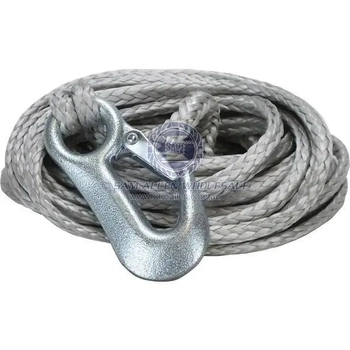
$40.60
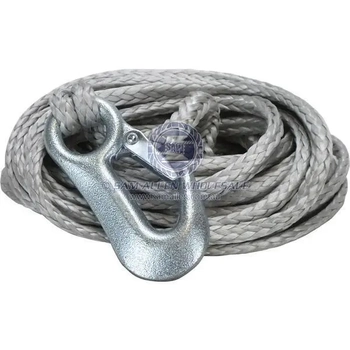
$56.95 $59.95
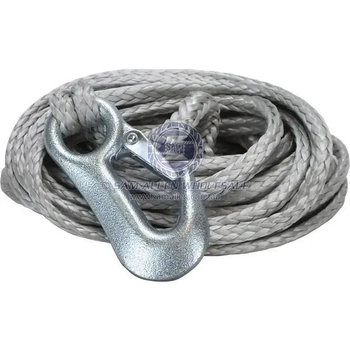
$88.92 $93.60
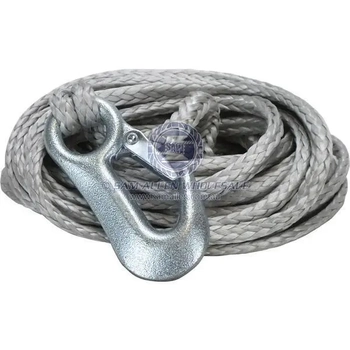
$73.58 $77.45
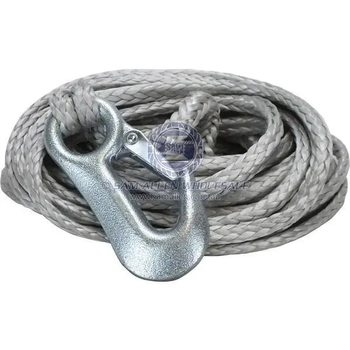
$200.74 $211.30

$25.85

$128.54 $135.30
Boat trailer parts keep your trailer working reliably across towing, launching and retrieval covering rollers, winches, tie-downs, lighting, plugs, jockey wheels and bearings. Because Australian boat trailers are regularly exposed to saltwater at boat ramps, road vibration and varying conditions between trips, small worn or corroded parts can affect how the trailer performs before you reach the water. A practical approach is to inspect each area of the trailer before the season starts and after extended saltwater use, rather than waiting for a failure at the ramp or on the road. This category covers replacement parts and accessories for single and tandem axle boat trailers.
Trailer parts are easier to compare by the job they do. Rollers and skids support and guide the hull onto the trailer during retrieval and launch. Winches and straps control the bow during retrieval and secure the boat for towing. Lights, plugs and reflectors help keep the trailer visible and support road-use requirements. Jockey wheels and coupling hardware make positioning easier when the trailer is off the tow vehicle. Bearings, hubs and wheel hardware carry the load across the axle on the road.
A practical maintenance approach is to check each area separately rather than waiting for a failure. After saltwater use, rinsing accessible trailer components and looking for early corrosion, stiff movement or loose hardware costs very little time compared to a roadside breakdown or a failed launch at a busy ramp.
Boat trailer rollers should be inspected for flat spots, cracking, seized pivot shafts and brackets that have moved or corroded out of alignment. If the hull is not sitting evenly, inspect support points and bracket positioning before replacing rollers individually.
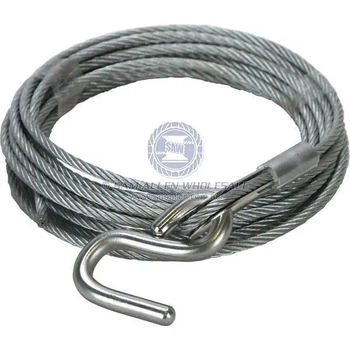
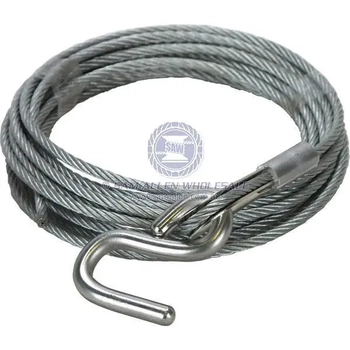
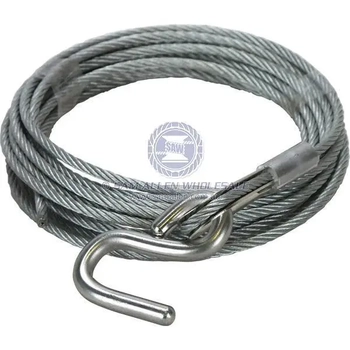
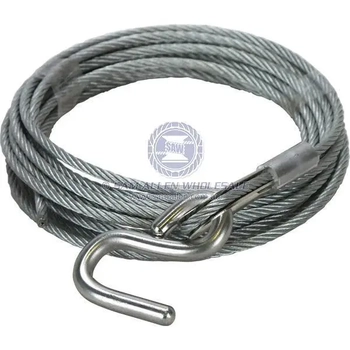
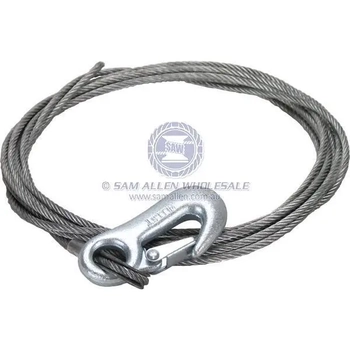
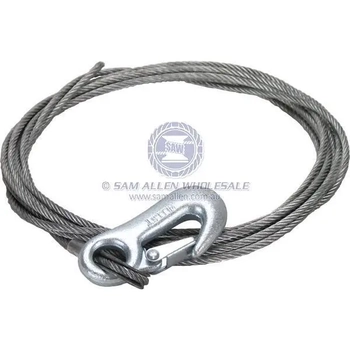
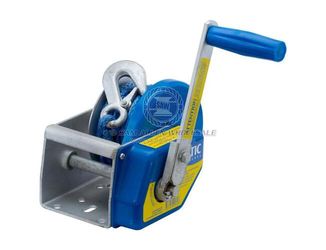
Boat trailer winches should be matched to the boat and trailer, with the winch post, strap or cable path and handle clearance all checked before ordering. A worn strap, damaged hook or stiff mechanism may point to a more systematic issue rather than a single part failure.
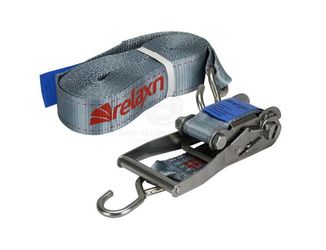
Boat trailer tie downs should be inspected for webbing wear, hook condition, stitching and tensioner function. Tie-down points and security requirements can vary, so check current local road and marine guidance where load security is uncertain.
Electrical parts are among the most frequently replaced trailer components because they are directly exposed to water, corrosion and road conditions. Trailer plugs and sockets should be checked with the tow vehicle connected, particularly after saltwater launching. Look for loose or corroded pins, damaged housings and lights that flicker or fail when the trailer flexes during towing.
Trailer reflectors and lights should be clean, secure and not blocked by the hull or gear. If wiring has been repaired several times, a broader check of the wiring harness may be more useful than replacing individual lights. Road visibility requirements can vary by state check current local requirements if you are unsure.
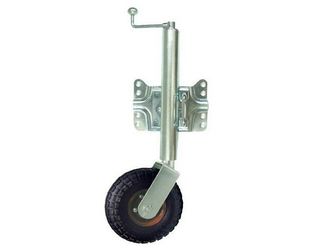
Trailer jockey wheels make moving and positioning the trailer much easier when it is not coupled to the tow vehicle. Check the clamp fit, drawbar diameter, winding action and wheel condition a jockey wheel that slips, binds or leans under load should be inspected and compared with the product specifications before replacing.
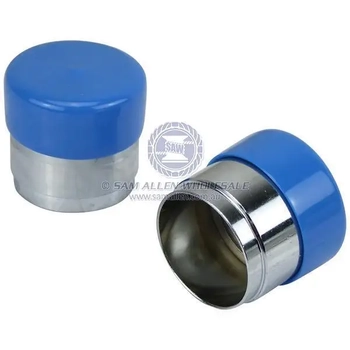
Bearings and hub hardware should be inspected regularly because they carry the full trailer and boat load on the road. Listen for noise during a short towing check, look for rough wheel rotation and check grease condition where accessible. Seek qualified advice if heat, roughness or contamination is present. Trailer bearing failure on the road can be avoided with routine inspection.
Before towing, confirm lights are working, tyres are in good condition and properly inflated, the coupling is engaged and the safety chain is connected. Requirements can vary by state and territory use product specifications and qualified advice where load support, roadworthiness or compatibility is uncertain.
Rinsing accessible trailer components with fresh water after saltwater launching is one of the simplest ways to extend the life of rollers, electrical fittings, winch hardware and bearing seals. Salt deposits left to dry between trips accelerate corrosion on metal fittings, plug contacts and moving parts. If the trailer will be stored for an extended period, a light check of tyre pressure, bearing condition and electrical connections before the next launch will help avoid avoidable delays at the ramp.
Rollers, winches, tie-downs, lights, plugs, reflectors, bearings, jockey wheel and coupling hardware should all be inspected regularly especially after saltwater launching. Saltwater corrosion can progress quickly on trailer components between trips.
Match roller size, shaft diameter, bracket style and hull support profile to the trailer and boat. Check the product specifications against your existing rollers and the trailer layout before ordering rollers that do not suit the hull shape will not provide even support.
Plugs, sockets, light lenses, bulbs or LED units and wiring connections are frequently replaced due to corrosion and water ingress. Test the lighting with the tow vehicle connected before each towing trip, particularly after saltwater launching.
Check the boat weight, trailer mounting position, winch post dimensions and the strap or cable path before ordering. Suitability depends on the full towing and retrieval setup check product ratings and specifications for your boat and trailer combination.
Check lights and plug connection, tyre condition and pressure, coupling engagement and security chain attachment, tie-down strap condition and tension, winch strap condition and hook, and any applicable state road requirements for the trailer and load. Use a qualified trailer repairer where structural condition or roadworthiness is in question.
ABN: 99 423 721 756