$4.39 off RRP of $87.90

$32.90

$227.91 $239.90

$72.11 $75.90

$161.41 $169.90

$54.06

$161.41 $169.90

$26.90

$33.90

$43.90

$53.11 $55.90

$930.05 $979.00

$4,585.42 $4,679.00

$37.90

$2,076.62 $2,119.00

$6,712.02 $6,849.00
Using the correct marine engine oil for your outboard or inboard is one of the most fundamental parts of engine maintenance. Car oil and marine oil are not interchangeable marine engine oil is formulated with a different additive package designed for water-cooled engines, salt water exposure and the specific demands of outboard and inboard two-stroke and four-stroke operation. The right oil type, grade and change interval depends on your engine type, the manufacturer's specification and how hard the engine is worked in Australian salt water conditions.
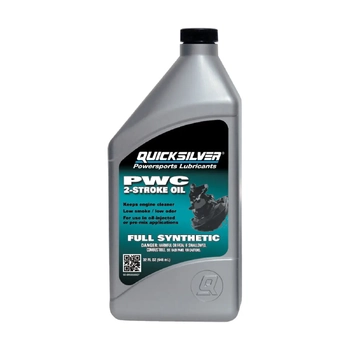
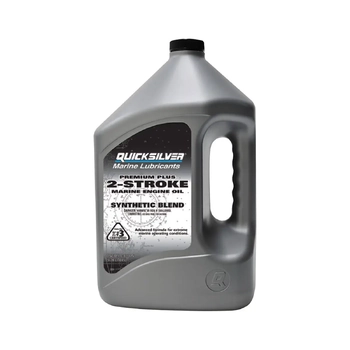
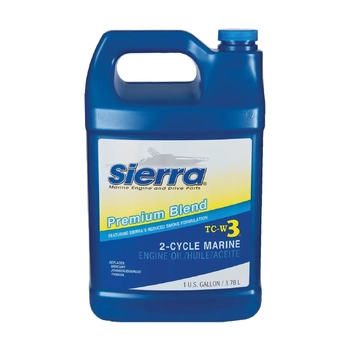
Two-stroke outboard oil is mixed with fuel before combustion it lubricates internally and burns away in the combustion process. The standard specification for two-stroke water-cooled outboard oil is TCW-3 (Two Cycle Water-cooled, Grade 3), which is required by most major outboard manufacturers for two-stroke engines. Using a non-TCW-3 oil in a two-stroke outboard may affect manufacturer service or warranty requirements and increase the risk of engine damage over time check the engine manual and product specifications before choosing oil.
Four-stroke marine engine oil functions like car oil in that it circulates through the engine without being burned, but the formulation is designed specifically for the cooling system demands, salt water corrosion exposure and typical RPM ranges of four-stroke marine engines. Four-stroke marine oil should not be substituted with standard automotive oil for extended use.
Outboard four-stroke engines use a specific FC-W (Four-Cycle Water-cooled) certified oil formulated by the NMMA (National Marine Manufacturers Association) for water-cooled outboard applications. Inboard petrol engines particularly sterndrives often share specifications closer to automotive oil, but should still use a marine-specific formulation if available for the engine type. Inboard diesel engines use diesel-specific marine oil matched to the engine manufacturer's specification. Always follow the oil specification in your engine's owner's manual.
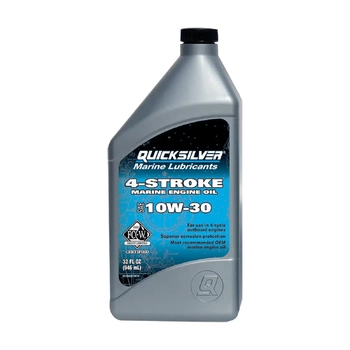
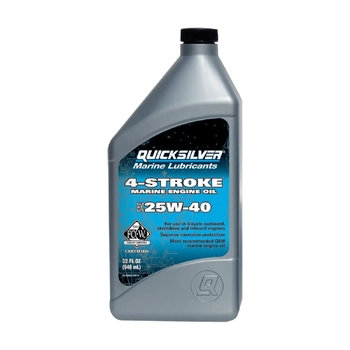
Common viscosity grades for four-stroke outboard oil include 10W-30 and 25W-40, with the appropriate grade depending on your engine manufacturer's recommendation and the operating temperature range. In Australian conditions particularly in warmer northern states and during summer a slightly higher viscosity grade may perform better at sustained high temperatures. Check the owner's manual for your engine's specified viscosity range and oil certification requirements before choosing a product.
The standard interval of 100 operating hours or annually (whichever comes first) is a commonly cited guideline for four-stroke outboard oil changes, but engines used heavily in salt water particularly in warmer conditions may benefit from more frequent changes. Salt water ingestion and the heat cycles of regular coastal use both accelerate oil degradation. Follow the manufacturer's recommended service schedule as a minimum, and if you're doing high hours in demanding conditions, discuss intervals with a qualified marine mechanic.
For complete engine servicing, browse marine engine accessories including engine strainers and filters, marine anodes and outboard impellers.
Use an FC-W certified marine oil meeting the viscosity grade specified in your engine's owner's manual commonly 10W-30 or 25W-40 depending on the manufacturer and operating conditions. Do not substitute standard automotive oil for extended use in a four-stroke outboard the formulation is different for water-cooled marine applications.
TCW-3 stands for Two Cycle Water-cooled, Grade 3 it's the standard specification for two-stroke outboard oil. Most major outboard manufacturers require TCW-3 certified oil to be mixed with fuel for two-stroke engines. Using a non-certified oil can affect engine performance check the engine manual and product specifications to confirm what oil type and certification is required for your engine.
Not recommended for extended use. Car oil has a different additive package and is not formulated for water-cooled marine applications, salt water exposure or the specific demands of outboard operation. Using the manufacturer's specified marine oil is the safest approach for protecting your engine investment.
Follow the manufacturer's recommended service schedule as the minimum commonly 100 operating hours or annually for four-stroke outboards. Engines used extensively in salt water or in warmer conditions may benefit from more frequent changes. Consult a qualified marine mechanic if you're unsure for your specific engine and usage pattern.
Using an incorrect oil type or grade can lead to inadequate lubrication, accelerated wear, corrosion in internal components and, over time, engine damage. In two-stroke engines, using non-TCW-3 oil can cause increased smoke, deposit buildup and, in severe cases, premature failure. Always use the oil type and specification required by the manufacturer.
ABN: 99 423 721 756