
$7.49 off RRP of $149.90

Free Shipping over $499*

Huge Range

Zip & Afterpay Available

Over 100+ Brands

$246.91 $259.90
$59.76 $62.90
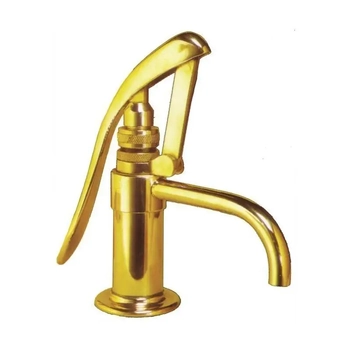
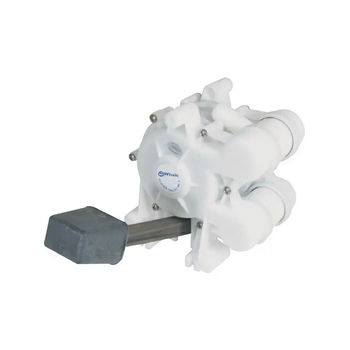
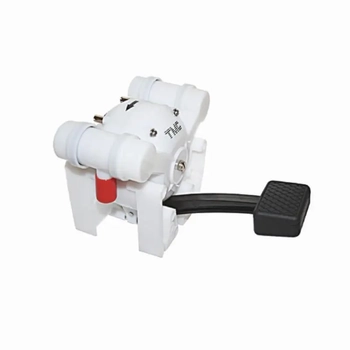
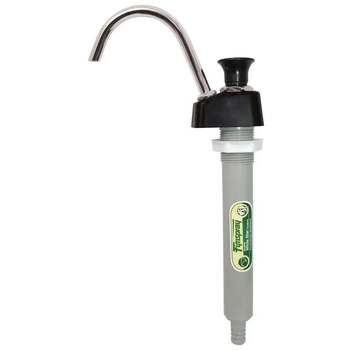
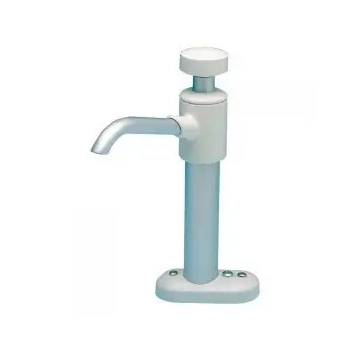
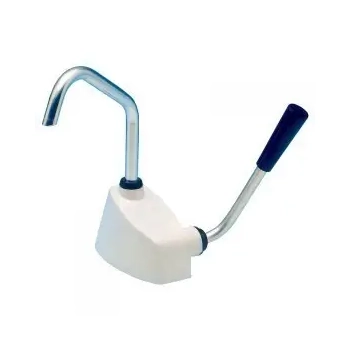
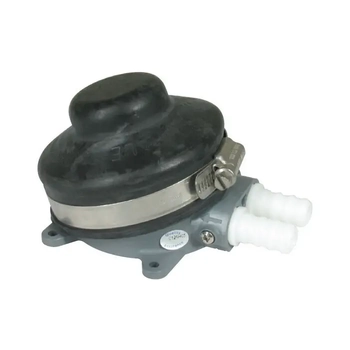
A marine galley pump moves water to a sink, tap or compact service point on board. Depending on the boat, the setup may be as simple as a manual pump and small tank, or part of a more complete freshwater layout with hose, fittings and filters. The right pump should suit the expected water use, available space and the style of galley installed.
Planning around marine galley pumps? The Washdown Pump Buying Guide covers pump flow, hose layout and deck-wash setup factors in more detail.
When comparing options, check whether the pump is intended for manual or powered operation, what hose size it uses and how it will be mounted. Some galley areas have limited access behind cabinetry, so the footprint and connection angle can be just as important as the pump type. For replacement jobs, match the existing plumbing wherever practical before changing the layout.
Galley pumps often work alongside shower and galley plumbing, filters and strainers, hose fittings and broader marine plumbing supplies. If the water flow has dropped, inspect the whole line before assuming the pump is the only issue. Blocked strainers, tired hose, loose clamps or air entering the suction side can also affect performance.
For pumps used outside the galley, compare related options such as general purpose marine pumps rather than forcing a galley pump into a different role.
It is used to move water to a galley sink, tap or small onboard outlet, depending on the boats freshwater layout.
In many replacement jobs, matching the existing manual or powered style keeps the installation simpler. Check hose size, mounting space and outlet position before changing types.
Check the water source, hose condition, clamps, filters or strainers and any air leaks before assuming the pump alone is the problem.
Be the first to know about latest news, offers and discounts!
ABN: 99 423 721 756



Welcome to our website. If you continue to browse and use this website, you are agreeing to comply with and be bound by the following terms and conditions of use, which together with our privacy policy govern Marine Depot’s relationship with you in relation to this website. If you disagree with any part of these terms and conditions, please do not use our website.
The term ‘Marine Depot’ or ‘us’ or ‘we’ refers to the owner of the website whose registered office is . Our ABN is 99 423 721 756. The term ‘you’ refers to the user or viewer of our website.
The use of this website is subject to the following terms of use:


