$4.95 off RRP of $99.00
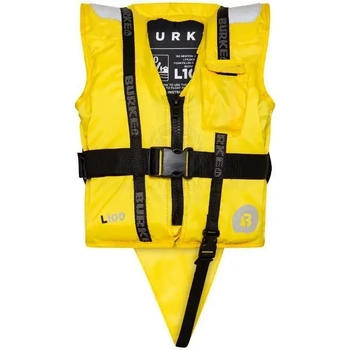
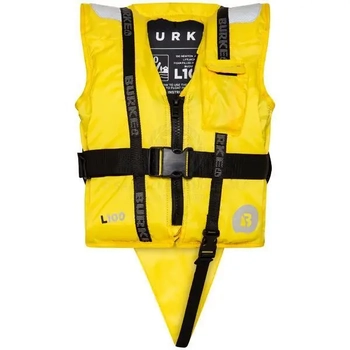
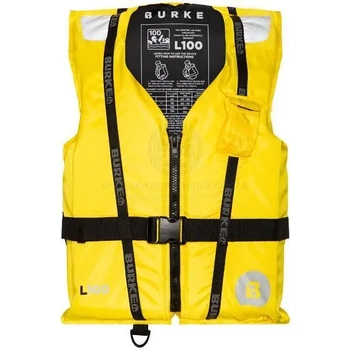
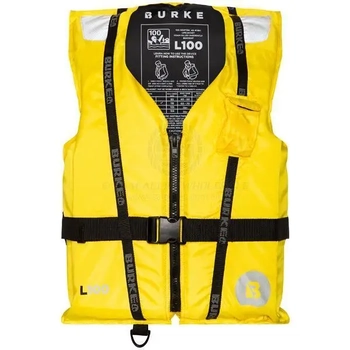
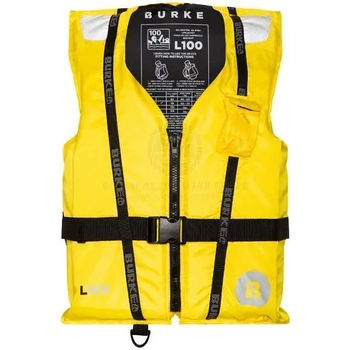
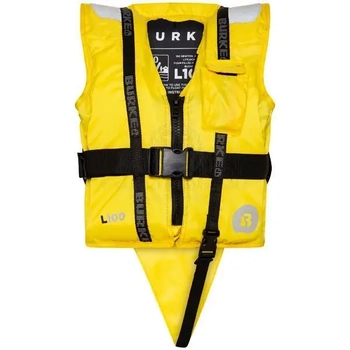
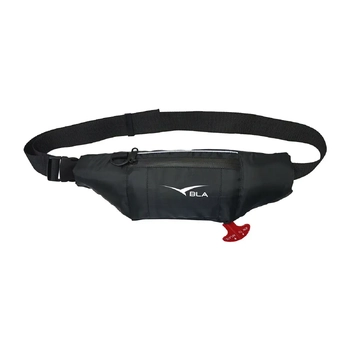
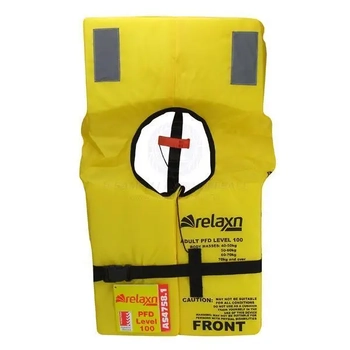
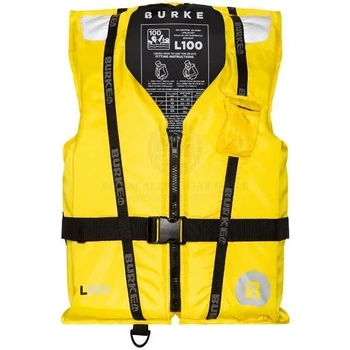
PFD Level 100 lifejackets provide higher-buoyancy flotation and are a recognised category in the Australian PFD classification system. Choosing the right lifejacket depends on wearer size, fit, activity type, vessel type and the current requirements for the waterway where the boat will be used. Requirements for PFD type and level can vary by state, territory, vessel size and activity, so current local marine safety guidance should be checked before heading out. This range covers Level 100 lifejacket options for adults and children in a range of sizes and styles.
The level-based PFD classification system replaced the older type-based system (Type 1, 2, 3) in Australian boating requirements. Level 100 indicates a minimum buoyancy of 100 Newtons and generally denotes a higher-buoyancy category suited to situations where turning a face-down wearer may be required. Level 100 products may be found in both inherently buoyant and inflatable formats the product label and current state requirements should guide selection rather than the category name alone.
For a broader overview of lifejacket options, browse lifejackets Australia. Requirements and appropriate lifejacket levels can vary by activity, so comparing related categories is worthwhile before making a final decision.
A lifejacket that does not fit correctly provides less protection than one correctly fitted to the wearer. Check the product size range against the wearer's chest measurement and weight range, and follow the manufacturer's fitting instructions. Straps, buckles and closures should be adjusted so the lifejacket fits snugly without restricting breathing. A loose lifejacket can ride up over the face in the water.
For children, use a lifejacket specifically rated and sized for the child's weight range adult lifejackets are not suitable for children. For mixed crew, consider whether multiple sizes are needed for different wearers before ordering.
The product label identifies the approved classification and the conditions for which the lifejacket is rated. Requirements for which lifejacket level or type is required can vary between states, territories, waterway types, vessel size and activity. Current information should be obtained from the relevant marine safety authority for your state before boating.
Inspect lifejackets before each trip check inflation mechanisms on inflatable models, look for damage, corrosion on buckles or closures and check the service date where applicable. Follow the manufacturer's service schedule for inflatable lifejackets. For related safety categories, also compare PFD Type 1, PFD Type 3, PFD Level 50 and PFD Type 2.
Level 100 lifejackets are available in both foam (inherently buoyant) and inflatable formats. Foam lifejackets provide buoyancy without any user action and do not require servicing of inflation mechanisms, making them a lower-maintenance option. Inflatable models are more compact and comfortable to wear for extended periods, but require regular inspection of the inflation mechanism, CO2 cylinder and arming status. Follow the manufacturer's service schedule for inflatable lifejackets and check condition before each trip. Suitability of each format depends on the activity, conditions and the current requirements for your waterway.
PFD Level 100 is a category in the Australian lifejacket classification system indicating a minimum buoyancy of 100 Newtons. It is a higher-buoyancy category typically suited to open-water and offshore conditions where a face-down turn may be needed. Product labelling and current local requirements should guide selection.
Requirements vary by state, territory, vessel type, waterway and activity. Check current marine safety requirements with the relevant authority for your state before boating requirements can change and differ between jurisdictions.
It should match the wearer's chest and weight range and be adjusted snugly according to the manufacturer's fitting instructions. A correctly fitted lifejacket should not ride up over the face when tested. Check size guides in the product listing and adjust all straps and closures before use.
PFD Type 1 is older terminology that corresponds roughly to the higher-buoyancy level categories, but the two systems should not be treated as identical. Check current product labelling and local requirements rather than assuming one terminology maps directly to the other.
Check the wearer's size range, the intended activity and vessel type, the product label for classification and rating, and current state or territory marine safety requirements for the waterway where the boat will be used. Inspect the PFD for condition and service requirements before each trip.
ABN: 99 423 721 756