
free shipping*
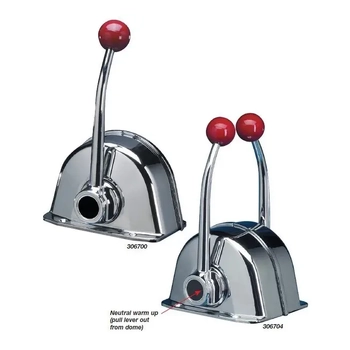
Dometic Control Single Engine Mt-3
Dometic Control Single Engine Mt-3
BLA-306700
$730.55 $769.00
$38.45 off RRP of $769.00
$730.55 $769.00
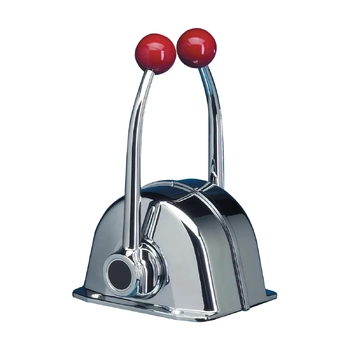
$1,224.02 $1,249.00
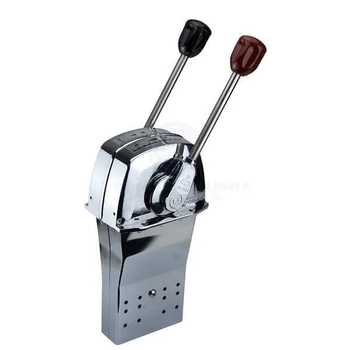
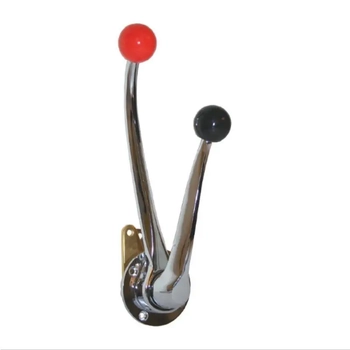
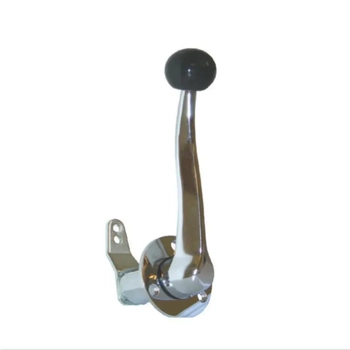
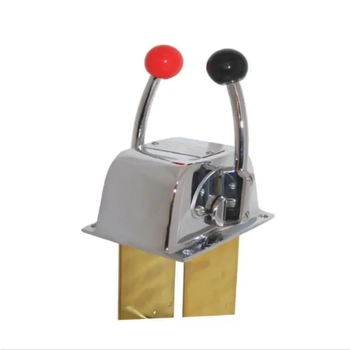
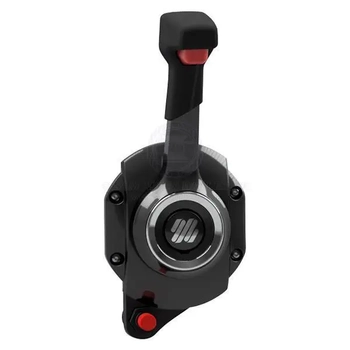
$1,007.49 $1,038.65
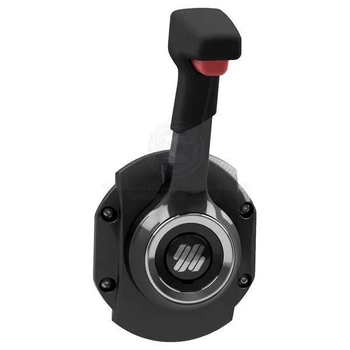
$935.09 $984.30
Marine engine controls help manage throttle and gear selection from the helm, making compatibility and feel important when replacing or upgrading parts. This category supports buyers comparing control boxes, cables and related components for outboard, inboard or sterndrive setups where suitable. The right choice depends on engine type, control style, cable length, routing and existing hardware. Always check product specifications and manufacturer instructions before purchase, and use a qualified installer where required for control or steering work on your vessel.
Marine engine controls are the helm-side components that manage throttle and gear selection translating the operator's lever input into engine speed and direction changes. The most common format for recreational boats is the single-lever or dual-lever side-mount or top-mount control box, which connects to the engine via push-pull cables. The quality of the control's action how smoothly and consistently the throttle and shift respond has a direct effect on helm feel and confidence.
Many engine control jobs involve related components. You may need to compare marine engine control cables alongside the control box, and engine control parts for specific hardware. For boats with linked or twin-engine steering considerations, also review marine hydraulic steering components and steering tie bars.
Control box selection depends on whether the boat uses an outboard, inboard or sterndrive engine, and whether the setup is single or twin engine. Single-lever boxes combine throttle and shift in one movement and suit most recreational outboard setups. Dual-lever boxes separate the throttle and shift functions and are often used where more precise control is needed or where engine specifications require it.
Mount style side-mount for console installation, top-mount for flush or surface mounting affects how the control fits the helm layout. Check the helm space, cable exit direction and the mounting footprint before choosing. Not all control boxes are interchangeable with all engines or existing cable setups.
Engine control cables connect the control box to the engine and must be the correct length for the boat's cable run. Cable length is measured according to the manufacturer's method typically the length of the conduit rather than the total cable and should be measured on the actual boat rather than estimated. Routing matters as much as length: cables should travel without sharp bends, tight corners or contact with moving parts. A cable that is too short will bind; one that is too long may need to be looped in an awkward position.
If replacing cables, inspect the full run including any conduit guides, through-hull fittings and connection points at the engine end before ordering. Worn, kinked or corroded cables can cause stiff or inconsistent throttle and shift operation even when the control box is in good condition.
Control box replacement involves disconnecting existing cables, fitting the new unit in the helm panel, re-routing cables and reconnecting at the engine end. Use a qualified installer where the helm panel, cable routing or engine connections are uncertain. Follow the manufacturer's installation guide for the specific control and engine combination.
Regular inspection of the control cable condition, friction adjustment and throttle and shift action is worthwhile maintenance. Stiff or inconsistent operation should be investigated causes can include worn cables, incorrect tension, corrosion at connection points or a worn control box mechanism.
Marine engine controls are the helm-side components that manage throttle and gear selection, translating lever input into engine speed and direction changes through push-pull cables. The control box converts the operator's movement into cable travel; the cables transmit that movement to the engine's throttle and shift mechanisms.
Check the engine type (outboard, inboard or sterndrive), whether the setup is single or twin engine, the required mount style, and whether a single-lever or dual-lever box is needed. Confirm that the new control is compatible with the engine and the existing cable type and routing. Check product specifications and the engine manufacturer's guidance before purchasing.
Cable length is measured using the manufacturer's specific method typically the conduit length rather than total cable length and should be measured on the actual boat following the intended routing. Allow for bends and changes in direction. If replacing an existing cable, use the old cable length as a starting reference only and verify it matches the current routing before ordering.
Yes. Control cables, adjustment hardware, cable ends and mounting components can often be replaced individually. Check compatibility with the existing control box and engine setup before ordering. Some control boxes have proprietary cable interfaces that limit which replacement cables will work.
Control box replacement and cable routing involve connecting to the engine throttle and shift mechanisms, which are safety-relevant. Follow manufacturer installation instructions carefully. Where the installation involves the helm panel, cable routing through the vessel or uncertain compatibility, using a qualified marine installer reduces the risk of incorrect setup.
ABN: 99 423 721 756