

Filters
Show Filters
(14 Results)
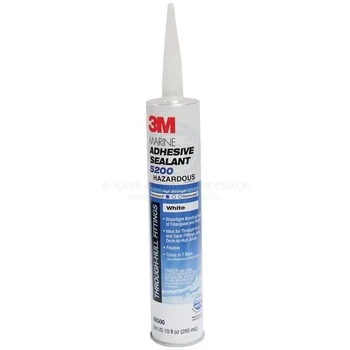
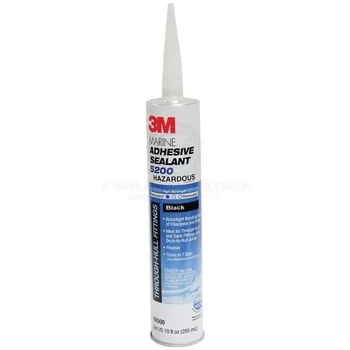
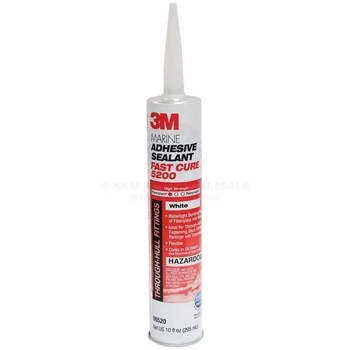
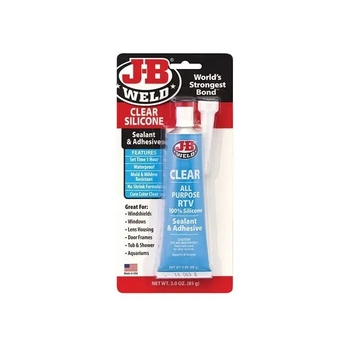
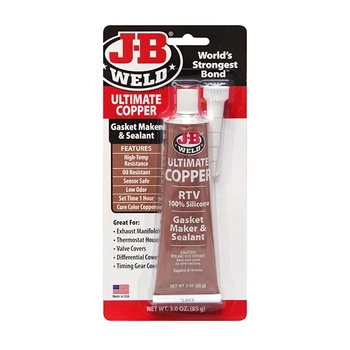
$23.90
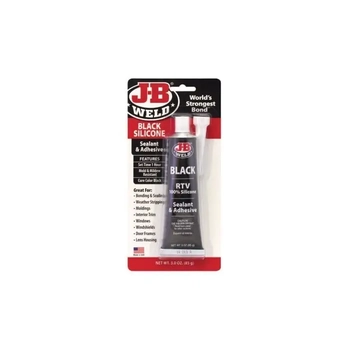
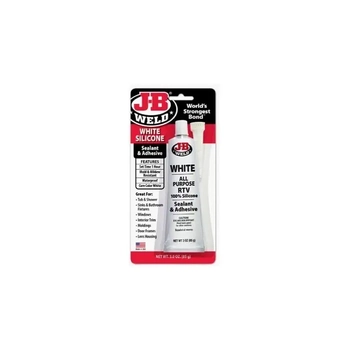
$2.79 off RRP of $55.90
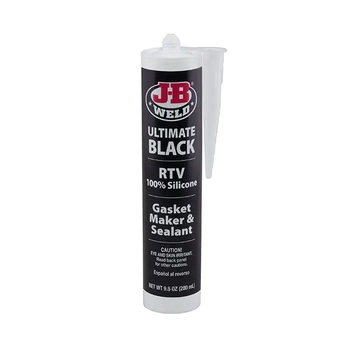
$51.21 $53.90
$2.69 off RRP of $53.90
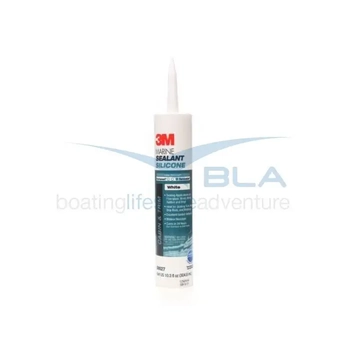
$55.01 $57.90
$2.89 off RRP of $57.90
Marine sealants help seal fittings, joins, hatches and hardware where movement, water exposure and vibration need careful handling.
Choosing marine sealants for boat fittings and joints
Marine sealant is used where fittings, deck hardware, hatches, windows or panels need a flexible seal. Unlike rigid fillers, sealants are chosen for areas that may experience movement or vibration. The key is matching the sealant to the material, exposure and whether the fitting may need to be removed later.
If you are matching marine sealants with related gear, the Marine Sealant and Adhesive Guide explains material compatibility, surface preparation, cure time and exposure.
Before applying sealant, remove old residue, clean the surface and check product instructions for cure times and compatibility. For bonding work rather than sealing, compare options in marine adhesives. For seams and finishing joints, marine caulking may be the more relevant category.
Application checks
- Confirm whether the product is intended for bedding, sealing or flexible joint work.
- Mask edges when a neat finish is needed around visible fittings.
- Allow suitable cure time before exposing the area to load or washdown.
For temporary or light-duty situations, a removable sealant can make future maintenance easier, since fittings bedded with permanent compounds can be very difficult to extract cleanly. If the fitting is one that may need servicing or removal within a few seasons, choose a sealant product that supports later removal rather than defaulting to the strongest option available.
Frequently Asked Questions
Where is marine sealant commonly used?
It is often used around deck fittings, hatches, windows, hardware and joins where a flexible seal is needed.
Is sealant the same as adhesive?
Not always. Some products bond strongly, while others are better suited to sealing or bedding removable fittings.
What should I check before applying sealant?
Check material compatibility, surface preparation, cure time and whether the fitting may need future removal.
read more