
Marine Surface Protectants
Filters
Show Filters
(8 Results)
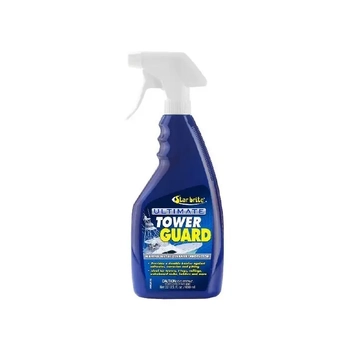
$2.69 off RRP of $53.90
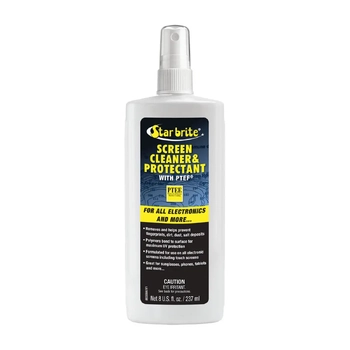
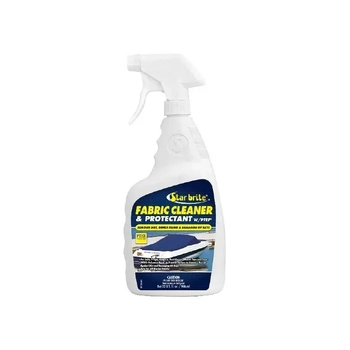
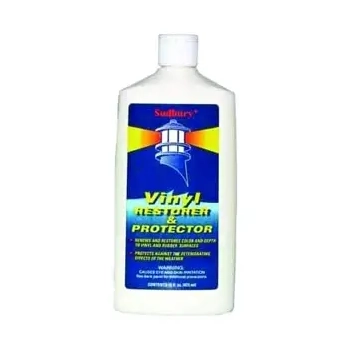
Marine surface protectants help maintain vinyl, rubber, plastic, metal and coated surfaces after cleaning. Choose products by surface material, exposure level, finish type and whether the area is used around seats, covers, rails, clears or deck fittings.
Choosing marine surface protectants
Marine surface protectants are used after cleaning to help maintain surfaces that face sun, salt, spray and regular handling. The right product depends on the material being treated, whether the finish is glossy or matte, and how exposed the area is during storage or use.
Start by confirming the surface type. Vinyl seating, rubber trim, plastic panels, stainless fittings and painted surfaces may all need different products. For cleaning before treatment, review boat cleaners. If the job involves restoring shine before protection, boat polish and wax may be more suitable.
Selection points
- Match the protectant to the surface material and product directions.
- Check whether the product suits interior, cockpit or exposed deck use.
- Clean and dry the surface before applying any finishing product.
- For metal fittings, compare related rust and corrosion inhibitors.
Always test in a small area where appropriate and follow the manufacturer instructions for application and reapplication.
Frequently Asked Questions
What surfaces can marine protectants be used on?
Suitability depends on the product. Check whether it is intended for vinyl, rubber, plastic, metal, painted surfaces or another specific material before applying.
Should I clean the surface first?
Yes. Most protectants work better on a clean, dry surface. Use a suitable cleaner and let the area dry before applying the protectant.
Are surface protectants the same as polish or wax?
No. Polishes, waxes and protectants can overlap in purpose, but they are not always interchangeable. Check the product directions and the finish you want to maintain.
read more