$4.55 off RRP of $90.95
$3,500.73 $3,609.00
$3,840.23 $3,959.00
$2,239.73 $2,309.00
$550.05 $579.00
$863.55 $909.00
$1,246.45 $1,285.00

$1,353.00 $1,394.85
$3,209.73 $3,309.00
$1,182.43 $1,219.00
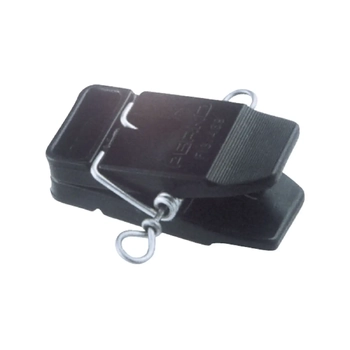
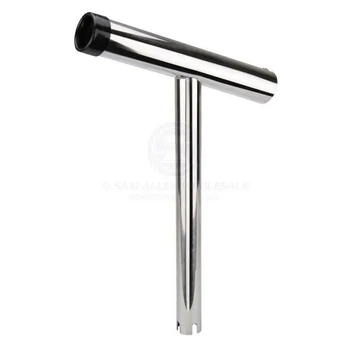
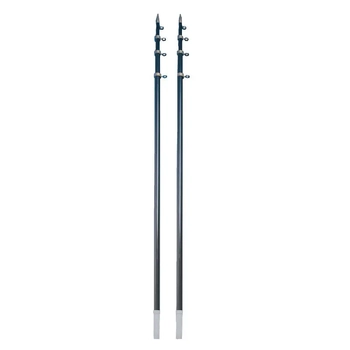
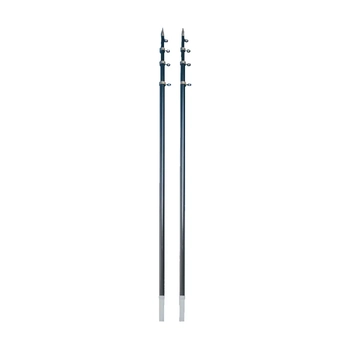
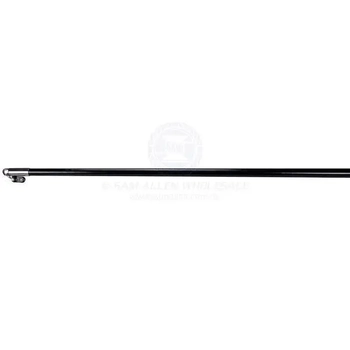
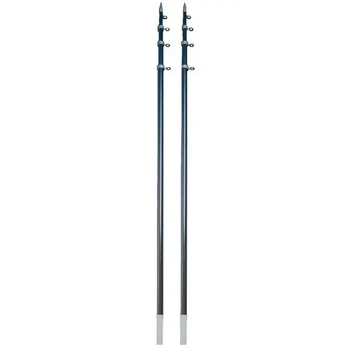
Fishing Outriggers help spread trolling lines away from the boat to manage lure positions and reduce tangles in a trolling spread. Choose outriggers by boat size, mounting style, pole length, rigging hardware and how many lines need to be managed at once.
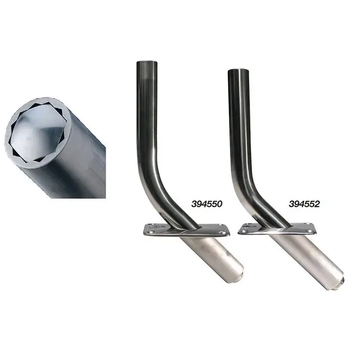
Fishing outriggers are used to spread trolling lines wider than the beam of the boat, creating a cleaner lure pattern and helping separate lines in the wash. The right setup depends on the boat layout, mounting points, pole length and the type of trolling being planned. Think about where the crew will stand, how lines will be cleared and whether the outriggers can be folded or removed when not in use.
Use the Boat Rod Holder Buying Guide alongside this category when you need more detail on mounting style, rod type and fishing setup considerations.
Outriggers are part of the wider boat fishing equipment setup. For controlling lure depth rather than line spread, compare fishing downriggers. For rods around the cockpit, fishing rod holders are a separate but related category.
Outriggers work alongside other trolling gear when building a more complete offshore or bay fishing arrangement. Check product dimensions and mounting notes carefully before ordering so the gear suits the boat and crew workflow.
They spread trolling lines away from the boat to help manage lure positions and reduce line overlap in a trolling spread.
No. Outriggers spread lines sideways, while downriggers help control lure or bait depth using a weighted system.
Check mounting space, pole length, folding clearance, rigging hardware and how the crew will handle lines while trolling.
ABN: 99 423 721 756