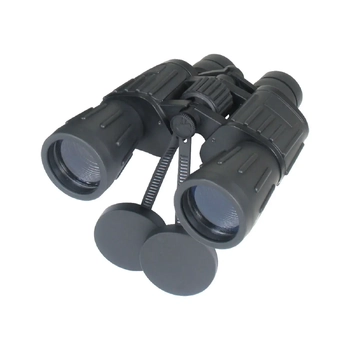
$105.40 $110.95
$5.55 off RRP of $110.95

Free Shipping over $499*

Huge Range

Zip & Afterpay Available

Over 100+ Brands


$105.40 $110.95
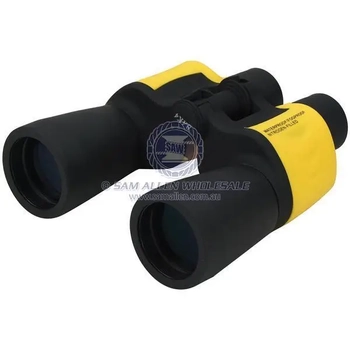
$225.20 $237.05

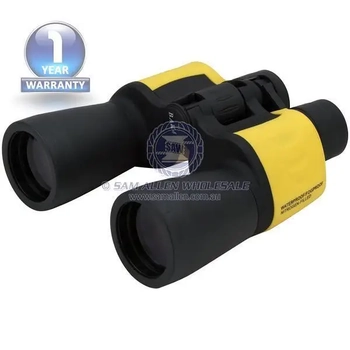
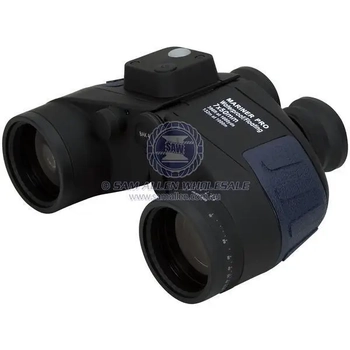
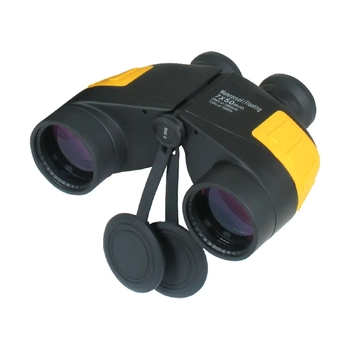
Marine binoculars help boaters scan channel markers, shorelines, mooring fields, passing traffic and changing conditions from the cockpit, deck or helm. The right pair depends on magnification, objective lens size, waterproof construction, grip and how steady they are to use on a moving vessel. In Australian coastal conditions with glare off the water, salt air and exposed decks practical handling features can matter as much as optical power. This range covers marine-rated binoculars for lookout, navigation support and coastal visibility.
Marine binoculars are designed for the specific challenges of boating use: glare, movement, spray and the need to pick out markers, vessels and shoreline features at distance. Moderate magnification typically 7x or 8x tends to be easier to hold steady on a moving boat than higher-powered options, where any boat movement is amplified along with the image. Check the product specifications for magnification, objective lens size, field of view and minimum focus distance before choosing.
Marine Binoculars choices can depend on screen size, mapping features, mounting position and navigation setup; our GPS and Chartplotter Buying Guide sets out the key points to compare before ordering.
When reviewing marine navigation equipment, binoculars work alongside marine compasses and marine navigation charts as part of a practical lookout and navigation toolkit. They support situational awareness but do not replace responsible watchkeeping and planned navigation.
The magnification number tells you how many times closer an object appears; the objective lens diameter affects how much light enters the optics. A larger objective lens generally means a brighter image in lower-light conditions useful at dawn, dusk and in overcast Australian conditions. The tradeoff is weight and size, which affects how comfortable the binoculars are to hold for extended use on deck.
Image-stabilised models use internal mechanisms to reduce the effect of hand movement and vessel motion, which can make a real difference on larger or faster vessels. Check the product listing for stabilisation features if steady viewing in chop is a priority. Standard non-stabilised binoculars are practical for calmer conditions and slower vessels where a railing or helm support is available.
Marine binoculars are typically water-resistant or fully waterproof; check the product specification for the protection rating and what conditions it is rated for. Some models are designed to float if dropped overboard, which can be a useful feature when working solo or in conditions where a hand-off or drop is possible.
Built-in compass models allow bearing checks while looking at a reference point, which can be useful for navigation mark identification, passage planning and keeping track of positions relative to shore. Whether a compass is worth the additional cost depends on how you use your binoculars and whether a separate compass is already part of your navigation setup.
When storing binoculars on board, a protective case or pouch helps guard against salt air and spray between uses. In Australian coastal conditions, humidity and salt exposure can affect lens coatings over time, so following the manufacturer's care instructions for cleaning and storage is worthwhile.
7x or 8x magnification is a practical choice for most boating use it provides useful distance capability while remaining manageable to hold steady on a moving vessel. Higher magnification amplifies movement and can be harder to use without a fixed support.
Waterproof or water-resistant construction is strongly worth considering for regular marine use, where spray, humidity and the risk of an overboard drop are practical concerns. Check the product specification for the protection rating and what conditions it covers before relying on that feature.
A compass binocular allows you to take a bearing while viewing a reference point, which can be useful for navigation mark identification and passage work. It is not essential for all boaters if you have a reliable helm compass and chart plotter, standard binoculars may serve equally well.
Lower magnification, a comfortable grip, an appropriate weight and a good field of view all help on a moving vessel. Image-stabilised models are also available for situations where steady viewing in chop is a priority check product specifications for stabilisation features.
Store in a dry, protected location where they are easy to access quickly. Rinse salt spray off lenses using the manufacturer's recommended cleaning method avoid abrasive materials on coated lens surfaces. Follow the product care instructions for long-term storage, especially in humid coastal environments.
ABN: 99 423 721 756