$104.41 $109.90
$5.49 off RRP of $109.90
$104.41 $109.90
$256.41 $269.90
$123.41 $129.90
$170.91 $179.90
$180.41 $189.90
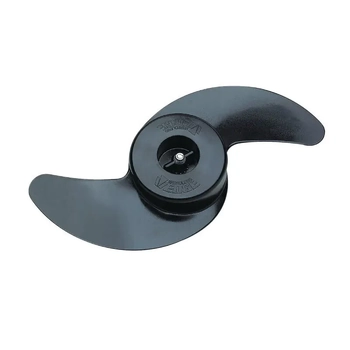
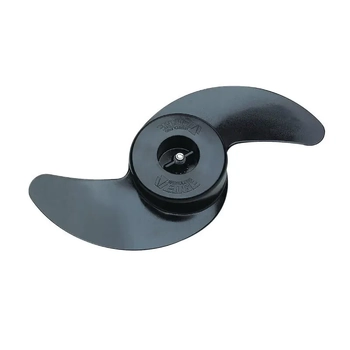
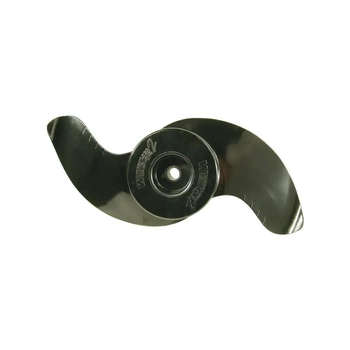
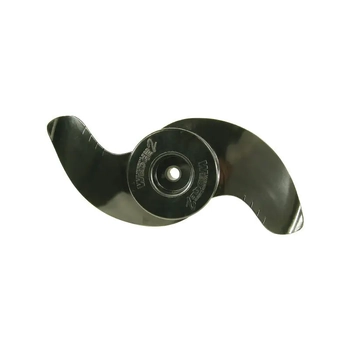
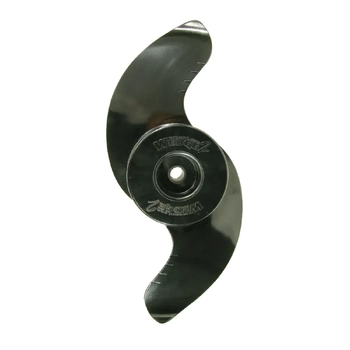
Marine propellers affect acceleration, handling and engine revs, so pitch, diameter, blade count and material should be matched carefully to the boat and motor setup.
Marine propellers have a direct effect on how a boat accelerates, holds revs, carries load and responds at cruising speed. The right propeller depends on the motor, gearbox, hull, typical load and the way the boat is used. A fishing boat that often carries people and gear may need a different propeller setup from a light runabout used for quick solo trips.
Pitch and diameter are the two main specifications to check. Pitch describes how far the propeller would theoretically move in one revolution, while diameter relates to the overall size of the prop. A higher pitch may reduce engine revs, while a lower pitch can help acceleration and load carrying, but the correct choice must keep the engine within its recommended operating range.
Aluminium propellers are common for general recreational use because they are practical and relatively easy to replace. Stainless steel propellers are often chosen for sharper performance characteristics and durability, but they must still be matched correctly to the motor and hull. Blade count, cup and propeller design can also change handling, grip and acceleration.
When reviewing propeller options, compare related categories such as boat hydrofoils, outboard motor accessories and propeller anodes. These parts do different jobs, but they may be checked together during a motor or lower-unit inspection.
A damaged or poorly matched propeller can make the boat feel sluggish, over-revved or heavy to handle. If the current propeller is only slightly damaged, check whether repair is practical; if the performance has never felt right, review pitch and setup rather than replacing like-for-like without question.
Start with the existing pitch and check engine revs at wide-open throttle against the manufacturer range. If the engine over-revs or cannot reach the recommended range, the propeller pitch may need review.
Aluminium propellers are common for general recreational use and are usually more affordable. Stainless steel propellers can offer different performance characteristics and durability, but must still be matched correctly to the boat and motor.
Consider replacement if blades are badly bent, cracked, heavily worn, or if the hub or performance is unreliable. Also review the propeller if the boat consistently struggles to reach the correct engine rev range.
ABN: 99 423 721 756