

Marine Light Bulbs
Filters
Show Filters
(17 Results)

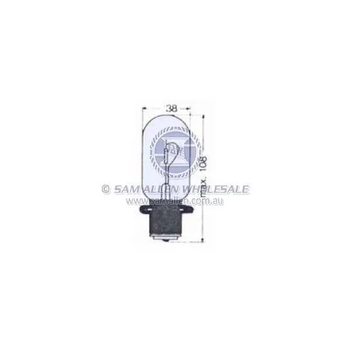


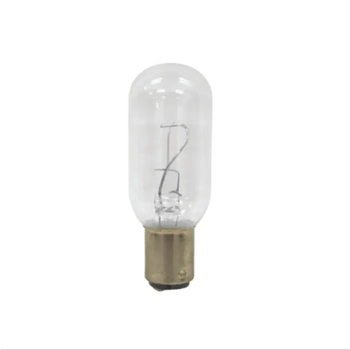
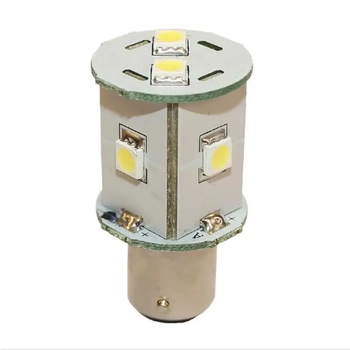
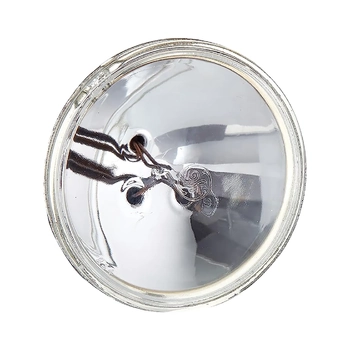
$21.97 off RRP of $293.00
$35.70 off RRP of $476.00
free shipping*
RWB Bulb Suit 7" S/Light 24v
RWB Bulb Suit 7" S/Light 24v
RWB-J65-106
$517.08 $559.00
$41.92 off RRP of $559.00
$4.50 off RRP of $60.00
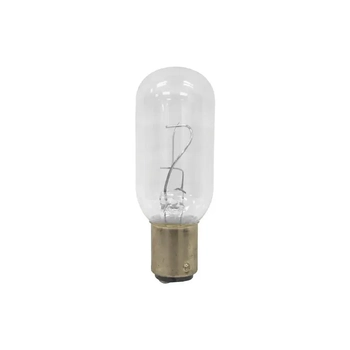
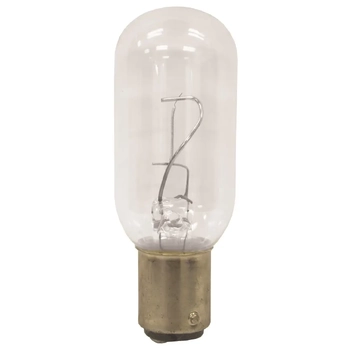
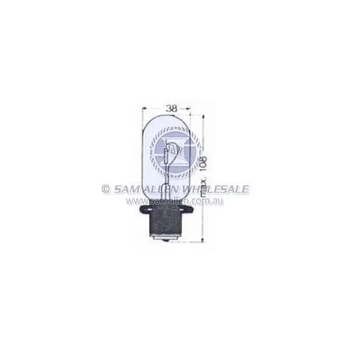
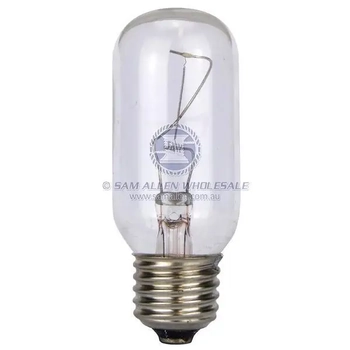
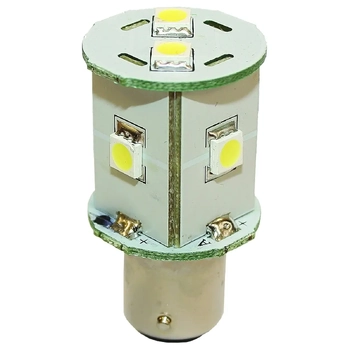
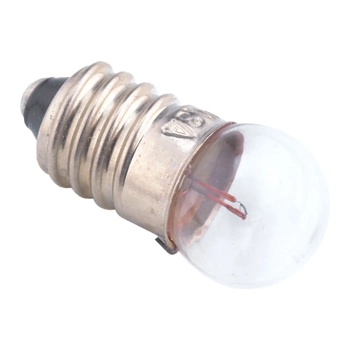
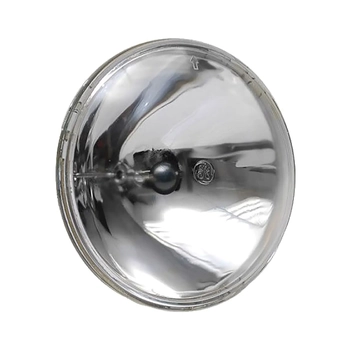
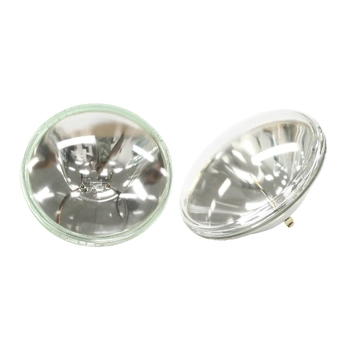
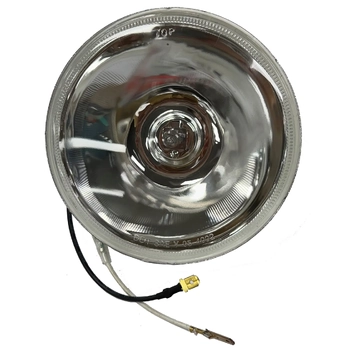
Marine light bulbs are replacement parts for cabin lights, deck fittings, utility lights and other boat fixtures. Choosing the right bulb usually starts with checking the existing fitting: base type, voltage, bulb shape, physical clearance inside the fitting and any output specifications where relevant. This category is most useful when replacing a failed lamp or updating a compatible fixture. Check the old bulb and the product specifications carefully before purchase, because similar-looking bulbs may have different bases, voltages or physical dimensions that prevent them from fitting or working correctly.
Matching Base Type and Voltage
Replacement bulbs should be chosen to suit the fixture, not just the desired light colour or output. The base type, voltage, physical size, shape and any heat or clearance notes in the product information should all be checked against the existing fitting. If the fitting is older or its specifications are unknown, inspect the socket carefully before ordering a wrong base or voltage can prevent the bulb from functioning or may damage the fitting. For broader lighting options, visit marine lighting.
LED Replacements and Related Lighting
Some cabin projects may benefit from moving to marine downlights rather than replacing individual lamps, while focused needs may suit marine spotlights. If wiring or switching is involved as part of the broader project, review marine electrical equipment. For LED retrofit bulbs, check fixture compatibility not all fittings suit LED replacements without modification, so confirm this in the product information before purchasing.
- Compare the base type and voltage with the existing bulb or fixture label.
- Check bulb length, diameter and physical clearance inside the fitting.
- Review output details only where provided in the product information.
- Follow manufacturer guidance when changing bulb type or technology.
Marine Light Bulbs FAQ
How do I choose a marine light bulb?
Match the base type, voltage, physical size and fixture clearance of the existing bulb or fitting, then check the product specifications before purchase. Similar-looking bulbs may have different bases or voltages.
Can I replace an old bulb with an LED bulb?
Sometimes, but compatibility depends on the existing fitting, voltage and product design. Check the fixture type and the product information carefully before purchasing an LED retrofit to confirm it will work without modification.
What should I check before buying replacement boat bulbs?
Check base type, voltage, physical size, clearance inside the fitting, output details where provided and the condition of the socket and wiring in the existing fitting.
Are marine light bulbs different from household bulbs?
Marine fittings often use different voltages (commonly 12V or 24V), different base types and may have different exposure or vibration requirements. Always match the replacement bulb to the boat fixture rather than substituting a household equivalent.
Do light bulbs affect electrical load?
Different bulb types may draw different power for a similar output. Check product specifications and the circuit requirements before changing bulb type, particularly when replacing multiple lamps at the same time on an existing circuit.
read more