
$198.55 $209.00
$10.45 off RRP of $209.00
$198.55 $209.00
$170.05 $179.00
$79.55 $86.00

$111.93 $121.00

$65.55 $69.00
$227.05 $239.00
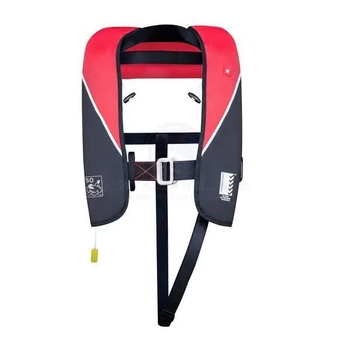
$198.55 $209.00
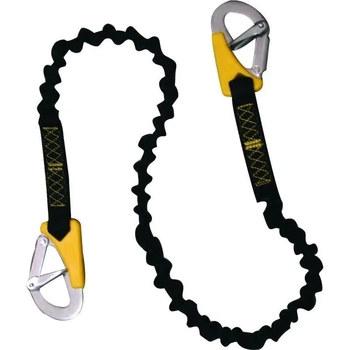
$99.90 $108.00
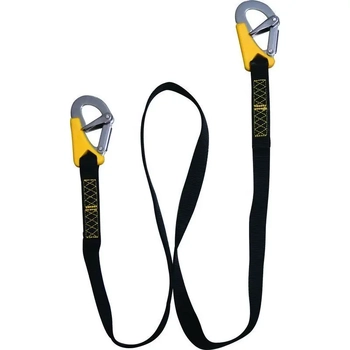
A safety tether keeps you connected to the boat if you go overboard making it one of the most important pieces of safety gear for anyone sailing offshore, ocean racing or undertaking coastal passages in exposed conditions. The right tether depends on the sailing you're doing, the offshore class rules that apply and how your harness and jackstay system is set up. This range covers single and double tethers in standard lengths with rated snap hooks, suitable for offshore and coastal sailing in Australian waters.
A safety tether is a short line with rated snap hooks at each end one attaches to your harness D-ring, the other to a jackstay, jackline or fixed attachment point on the vessel. The purpose is to keep you physically connected to the boat if you lose your footing or go over the side, giving the crew time to stop the vessel and recover you. Tethers are a fundamental part of any offshore safety system and are required equipment for most offshore racing events in Australia.
Safety tethers are used in combination with a sailing harness the harness provides the attachment point on your body, the tether provides the connection to the vessel. Wearing a tether without a properly fitted harness rated for offshore use defeats the purpose. Browse our full boating safety equipment range for complementary safety gear including lifejackets and PFDs.
A single tether connects you to one attachment point at a time. A double tether sometimes called a Y-tether has two legs, allowing you to clip the second hook to a new attachment point before unclipping the first. This is the method required for truly continuous attachment: at no point are you unclipped from the vessel during movement across the deck. Double tethers are required by most offshore racing class rules and are strongly recommended for bluewater passages and offshore sailing in Australian waters.
Single tethers are simpler and lighter, but they require you to be unattached for the moment between unhooking and re-clipping. For coastal daysailing in sheltered conditions this may be acceptable, but for serious offshore work a double tether provides a higher level of safety.
Standard tether lengths are typically 1 metre (short leg) and 2 metres (long leg) double tethers include one of each. A shorter tether keeps you closer to the vessel if you go over the side, which is faster and easier to recover from. A longer tether gives more freedom of movement around the deck but means more distance to recover if you fall. Offshore racing class rules typically specify maximum tether lengths check current requirements for the relevant class or event if you're racing.
Look for safety tether snap hooks rated and designed specifically for marine use, with a clear safety gate mechanism a hook that can open unintentionally under load or catch on deck fittings provides false security. Check the product specifications for load rating and gate design, inspect hooks before each offshore passage and replace tethers showing any wear, corrosion or gate mechanism degradation.
For the complete marine safety equipment range including EPIRBs, flares and MOB equipment, browse the safety category.
A single tether connects to one attachment point at a time, which means you are briefly unattached when moving the clip. A double (Y) tether has two legs you clip the second before unclipping the first, maintaining continuous attachment throughout deck movement. Double tethers are required by most offshore racing class rules and are recommended for bluewater and offshore passages.
Standard lengths are 1 metre (short) and 2 metres (long). Double tethers typically include one of each. Shorter tethers keep you closer to the vessel in the water, which makes recovery faster. Offshore racing class rules may specify maximum tether lengths check current requirements for your class or event.
Most offshore racing events in Australian waters require safety tethers as part of mandatory safety equipment. Requirements vary by event, offshore class rules and the waters being sailed. Check current requirements with the relevant event organiser or offshore racing authority requirements can and do change.
Look for snap hooks specifically rated and designed for marine safety tether use. Check the product specifications for load capacity and gate design requirements. The gate should require a deliberate action to open and should not release accidentally under load or when snagged on deck hardware check product specifications and inspect before each use.
No. A tether is designed to be attached to a rated safety harness worn on the body clipping a tether to a lifejacket, belt or clothing is not appropriate and provides no meaningful protection in a fall. Use a harness specifically rated for offshore use and ensure the D-ring attachment is positioned correctly for tether attachment.
ABN: 99 423 721 756