free shipping*
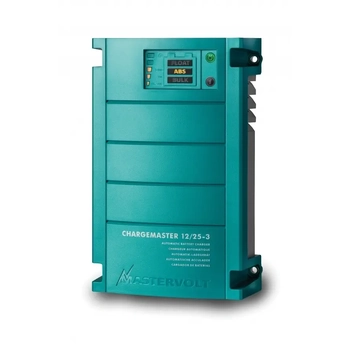
Mastervolt Mvolt Chargemaster Bat Charger 12V 25A-3
Mastervolt Mvolt Chargemaster Bat Charger 12V 25A-3
BLA-110304
$549.00

Free Shipping over $499*

Huge Range

Zip & Afterpay Available

Over 100+ Brands


$549.00

$589.00
$3,079.00
$5,309.00
$4,239.00
$3,799.00
$4,239.00
$259.90
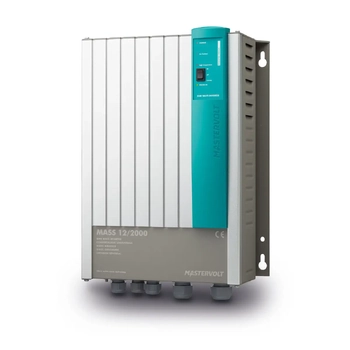
$2,349.00
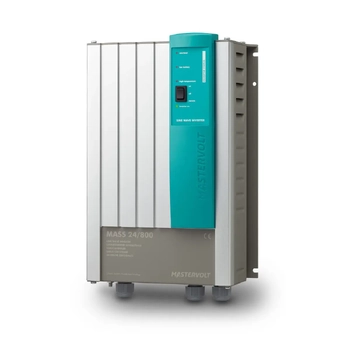
$1,119.00
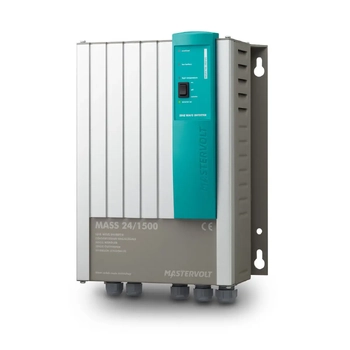
$1,759.00
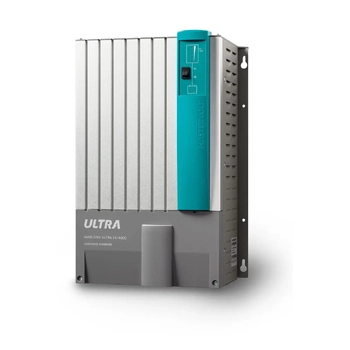
$3,969.00
$4,729.00
$4,729.00
$65.46 $68.90
Marine power inverters are selected around appliance load, battery capacity and installation layout, helping suitable onboard devices run from battery power.
A marine power inverter converts suitable battery power into AC power for selected onboard devices. The right inverter depends on the appliance load, startup demand, battery capacity, cable length and how often the equipment will be used away from shore power.
Before choosing an inverter, review the devices you want to run and compare their combined draw with the inverter rating. Battery capacity matters just as much as inverter size, so consider the wider electrical setup including marine batteries, marine electrical wire and circuit protection.
For broader wiring, switching and power distribution, browse the main marine electrical equipment category. Inverters should be treated as part of an electrical system rather than a standalone accessory.
A marine inverter converts suitable DC battery power into AC power for selected onboard appliances or chargers, depending on the inverter rating.
Check the wattage draw of the devices you plan to run, startup load, battery capacity, cable run and manufacturer installation guidance.
Inverter installations typically require correctly rated wiring and protection. Follow the product manual and use a qualified installer where required.
ABN: 99 423 721 756