
free shipping*
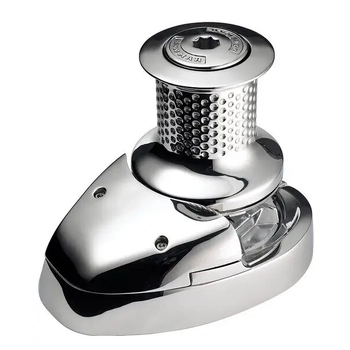
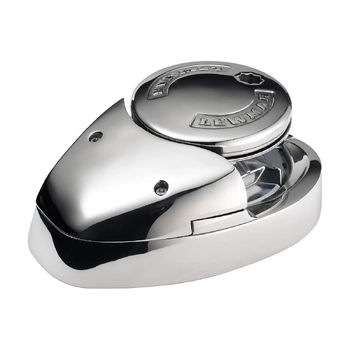
Lewmar Winch Anchor V1 Kit Gypsy 700W 12V
Lewmar Winch Anchor V1 Kit Gypsy 700W 12V
BLA-154330
$3,556.42 $3,629.00
$72.58 off RRP of $3,629.00
$3,556.42 $3,629.00
$607.05 $639.00
$4,781.42 $4,879.00
$4,889.22 $4,989.00
$5,408.62 $5,519.00
$4,095.42 $4,179.00
$7,976.22 $8,139.00
$7,976.22 $8,139.00
$303.91 $319.90
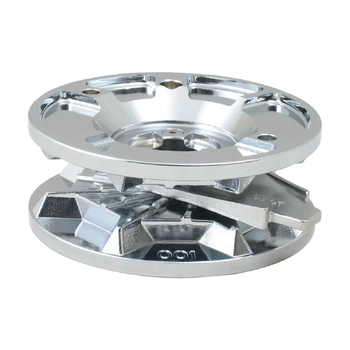
An anchor windlass is the standard choice for cruisers, offshore powerboats and passage-making yachts that need controlled, powered anchor handling with significant chain loads. Unlike a compact electric winch, a windlass is built around a calibrated gypsy drum engineered to feed and grip heavy chain reliably across a full range of depths and conditions. If you're fitting out a vessel with a proper bow roller and chain locker arrangement, this guide covers how to choose between horizontal and vertical layouts, how to match chain to your gypsy, and what to plan for during installation.
A windlass is a type of powered anchor winch that uses a calibrated gypsy drum to handle chain rode at a controlled rate. The gypsy is precision-made to match a specific chain diameter it grips each link cleanly as the chain feeds in or out, preventing slip and chain damage under load. Windlasses are typically fitted to larger vessels where the anchor, chain and rode weight is substantial, and where reliable, repeatable anchor handling is a genuine safety and comfort priority.
If you're looking for a broader range of electric winch options for smaller boats or mixed rope-and-chain setups, the full boat anchor winch range covers compact electric units alongside windlass options.
The choice between horizontal and vertical layouts comes down to your vessel's bow deck space and forepeak arrangement below.
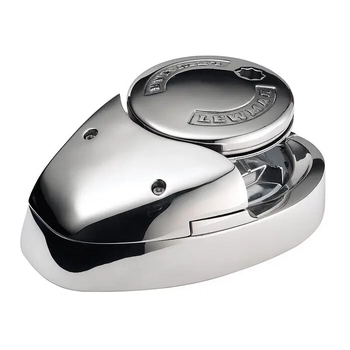
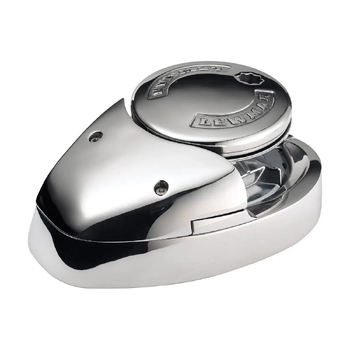
A horizontal windlass mounts flat on the deck with the motor, gypsy and drum assembly all visible above the deck surface. Chain feeds horizontally across the gypsy and drops through a chain pipe into the locker below. The low-profile layout suits vessels where below-deck forepeak space is limited, and the above-deck motor position makes servicing and inspection straightforward.
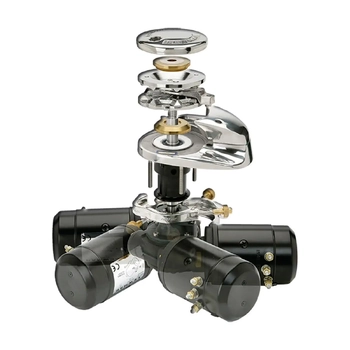
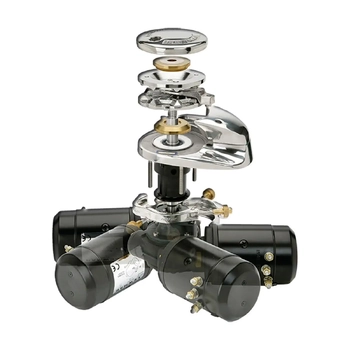
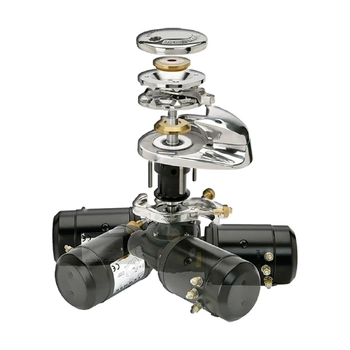
A vertical windlass has its motor mounted below deck, with only the gypsy and capstan drum sitting above the deck plate. This gives a cleaner bow appearance and keeps the main motor housing away from spray, but requires accessible below-deck space in the forepeak for the motor housing and wiring. Both formats are available in different electrical configurations depending on the model higher voltage systems can suit larger vessels with heavier chain loads and longer cable runs. Check product specifications for the voltage configuration of the windlass you are considering.
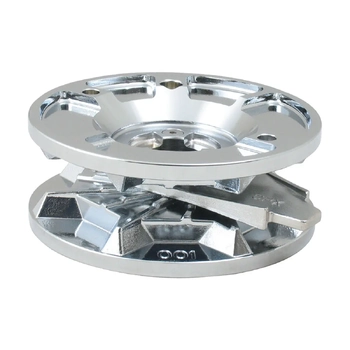
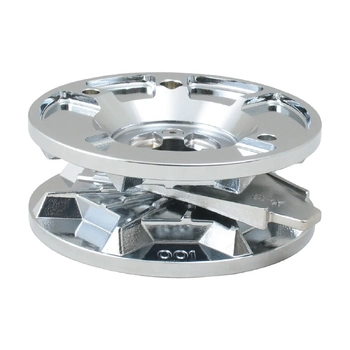
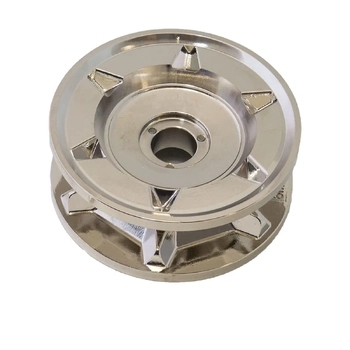
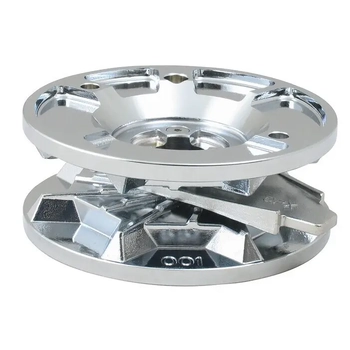
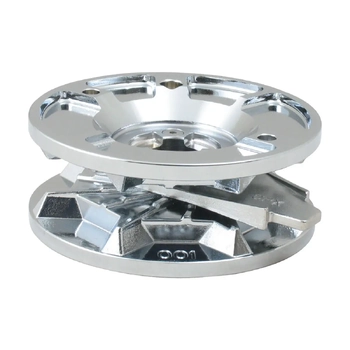
Chain compatibility is the most critical specification check when buying a windlass. The gypsy drum is precision-calibrated to grip a specific chain diameter and link profile using the wrong chain size will cause slipping, jamming or chain damage that can fail at the worst possible moment. Common chain sizes on Australian cruising vessels include 6mm, 8mm and 10mm, with the appropriate size depending on vessel displacement, anchor weight and typical anchoring depth.
Always confirm the chain size specification for your chosen windlass before purchasing chain. Our anchor chain and shackles range lists chain grades and sizes to help you match your system. For anchor options to complete the rode setup, browse our boat anchors range.
A windlass installation involves deck-level structural work and electrical wiring that need to be planned together before drilling or ordering parts. Key points to address:
If replacing an existing windlass, check whether the new unit shares the same deck footprint and chain pipe position this can simplify the job considerably.
A windlass is specifically a chain-handling unit with a calibrated gypsy drum, typically fitted to cruisers, offshore powerboats and passage-making yachts. An anchor winch is a broader term that includes compact electric units for smaller vessels and lighter rodes. If you need a compact unit for a smaller or trailerable boat, the boat anchor winch range has a wider selection of options.
Neither is universally better. A horizontal windlass keeps all components above deck for easy access and suits vessels with limited forepeak space below. A vertical windlass offers a cleaner bow profile and better motor protection from spray, but needs accessible below-deck space for the motor housing. Measure your available space carefully before deciding on a format.
The windlass gypsy is calibrated to a specific chain diameter using the wrong size will cause the gypsy to slip or jam under load. Common sizes on Australian cruising vessels are 6mm, 8mm and 10mm. Always confirm the chain size specification for your chosen windlass before purchasing chain, and check our anchor chain and shackles range for compatible options.
Most windlasses are designed for all-chain rodes only. Some models include a capstan drum that can handle the rope section of a combo rode, but this varies by model check the product specifications to confirm before assuming a mixed rode will work with a given unit.
Windlasses are available in different voltage configurations depending on the model check the product specifications for the electrical requirements of the unit you are considering. Cable sizing, fuse rating and circuit breaker specification should match the windlass's peak current draw and cable run length. Follow the manufacturer's wiring guide for the specific model, and ensure an appropriately rated overcurrent protection device is fitted close to the battery follow the manufacturer's wiring guide and use a qualified installer where required.
ABN: 99 423 721 756