
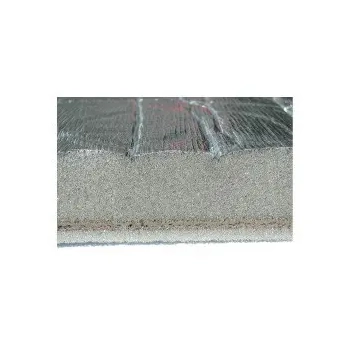
Marine Engine Sound Insulation
Filters
Show Filters
(4 Results)
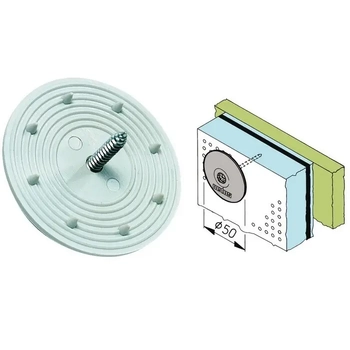
free shipping*
Sound Insul 25Mmx30.0M Roll Non Adhesive
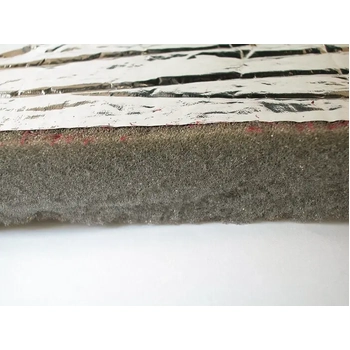
Sound Insul 25Mmx30.0M Roll Non Adhesive
BLA-335010
$3,723.83 $3,839.00
$115.17 off RRP of $3,839.00
$5,159.43 $5,319.00
$159.57 off RRP of $5,319.00
Marine engine sound insulation can help reduce noise transfer from enclosed engine bays into the cabin, cockpit or living spaces on suitable inboard and sterndrive installations. It is commonly fitted during an engine bay refresh, a new build or a noise-reduction project on an existing vessel. Before choosing a product, check the material type, heat rating, backing, adhesive requirements, surface preparation and the space available around ventilation paths, service points and moving parts a well-fitted job should not compromise access or airflow.
What Marine Engine Sound Insulation Does
Sound insulation adds an absorbent or damping layer to engine bay panels, hatches and bulkheads to reduce noise transfer into adjacent spaces. Heat resistance and moisture tolerance matter alongside acoustic performance in Australian conditions check the material specification against the actual environment it will live in. Sound insulation does not guarantee a specific noise level; results vary with vessel design, engine power, surfaces and how completely the installation covers the space.
Choosing the Right Material and Style
Common formats include closed-cell foam with foil backing, composite mass-loaded materials and self-adhesive panel liners. Check heat rating, surface area, panel shape and attachment method. For engine bay work, also confirm ventilation and airflow are maintained after fitting. Related marine engine blowers support ventilation planning alongside insulation projects. Broader marine engine accessories cover related servicing categories.
Fitting and Service Access
Confirm all service points filters, strainers, belts and impeller access remain accessible after the insulation is fitted. Follow product installation instructions for surface preparation and application method. For related engine maintenance, also review marine engine oil and marine engine strainers. Use a qualified installer where required.
Marine Engine Sound Insulation FAQ
What is marine engine sound insulation used for?
It is used to help reduce noise transfer from the engine bay into the cabin, cockpit or nearby spaces on suitable vessels. It is commonly fitted during a build, refit or noise-reduction project. Results depend on material, installation, surface coverage and the vessel design.
What material should I choose?
Check the heat rating, backing type, adhesive requirements and surface suitability for the engine compartment. Closed-cell foil-backed foam, composite materials and self-adhesive panel liners are common formats. The right choice depends on the temperatures, surface shape and how the space is ventilated.
Can engine sound insulation be fitted in any engine bay?
Suitability depends on the space, heat exposure, surface material and available clearance. Installation should not block ventilation, drainage or service access. Follow the product instructions and use a qualified installer where required.
Should ventilation be considered when fitting insulation?
Yes. Engine bays need adequate airflow, particularly on petrol-engine vessels where pre-start ventilation is part of safe operation. Insulation should not cover or restrict blower inlets, outlets or any ventilation path required for the installation.
What related engine accessories should I check?
Engine blowers, engine strainers, engine oil and broader engine accessories are all worth reviewing when completing an engine bay refresh or maintenance project.
read more