
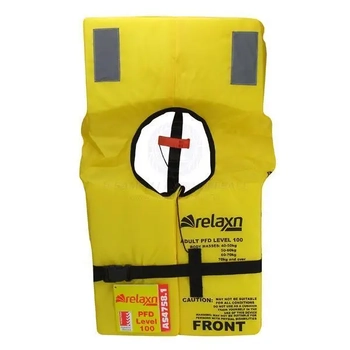
PFD Type 1
Filters
Show Filters
(5 Results)
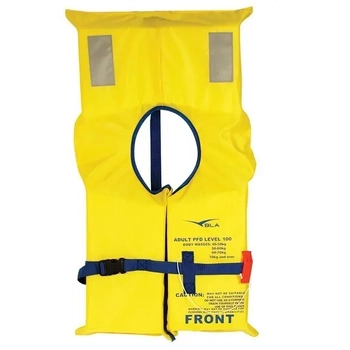
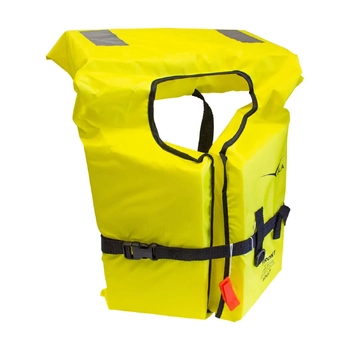
$4.54 off RRP of $90.90
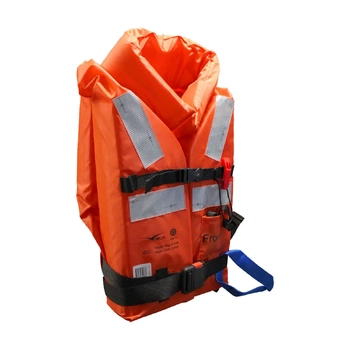
$5.99 off RRP of $119.90
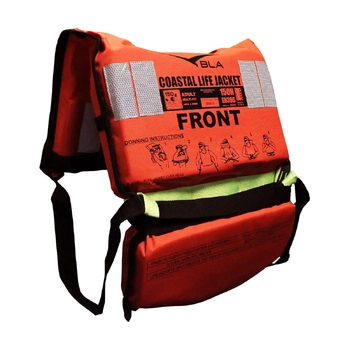
PFD Type 1 is older Australian classification terminology still used by many boaters when searching for higher-buoyancy lifejackets and comparing PFD categories. Current products may use level-based labels such as Level 100 so selection should start with the product label, wearer size, intended activity and current state or territory requirements rather than the classification terminology alone. Fit and proper adjustment are central to how any lifejacket performs, regardless of classification. This category helps customers compare PFD Type 1 terminology with current lifejacket options.
Understanding PFD Type 1
PFD Type 1 is familiar wording to many Australian boaters, though current product labelling generally uses level-based categories. The important step is to check the product label, intended use, wearer size and any manufacturer instructions before choosing a lifejacket, rather than selecting based on terminology alone.
When comparing Type 1 terminology, also review PFD Level 100 the level-based equivalent category so you understand what current products are labelled as. Older lifejackets and safety documentation may still use Type 1 wording, but current products may use a different label for equivalent buoyancy specifications. For the full range of lifejacket options, browse lifejackets Australia.
Type 1 vs Current Lifejacket Levels
The older type-based system (Type 1, 2, 3) was used in Australian boating safety requirements before the level-based system (Level 50, 100, 150) was introduced. Type 1 broadly corresponded to higher-buoyancy categories, but the two systems should not be treated as directly interchangeable. Current product labels and local requirements should be the reference for selection.
If you are replacing older lifejackets that were purchased under the Type 1 classification, check the current requirements for your state or territory and compare the new product's label against those requirements rather than relying on the older terminology.
Choosing Fit and Size
Fit is central to how a lifejacket performs. Use the wearer's chest measurement and weight range to select the correct size from the product listing, and follow the manufacturer's fitting instructions for strap and closure adjustment. A lifejacket should fit snugly without restricting movement, and should not ride up over the face when tested in the water.
For children, use a lifejacket specifically rated and sized for the child's weight adult lifejackets are not appropriate for children. Requirements can vary by state, territory and activity, so check current marine safety guidance before use. Also compare related categories: PFD Type 3, PFD Level 50 and PFD Type 2 to understand the full range of options.
Inspecting and Maintaining Lifejackets
Inspect lifejackets before each trip, checking for damage to straps, buckles, fabric and closures. For inflatable models, check the inflation mechanism, arming condition and CO2 cylinder as part of the manufacturer's recommended service schedule. A lifejacket stored in a damp, compressed or heat-exposed location can degrade more quickly than one stored correctly. Replace any lifejacket that shows damage or has passed its service date.
PFD Type 1 FAQ
What is a PFD Type 1 lifejacket?
PFD Type 1 is older Australian classification terminology for higher-buoyancy lifejackets. Current products may use level-based labelling such as Level 100 rather than Type 1. Check the product label and current local requirements rather than relying on the older terminology.
Is PFD Type 1 the same as Level 100?
PFD Type 1 broadly corresponds to higher-buoyancy level categories, but the two classification systems should not be treated as directly interchangeable. Check the current product label and your state or territory's marine safety requirements for the specific classification applicable to your boating activity.
How do I choose the right PFD Type 1 size?
Use the wearer's chest measurement and weight range against the product size guide. Adjust all straps and closures according to the manufacturer's fitting instructions. The lifejacket should fit snugly and not ride up over the face when tested.
When should I check local lifejacket requirements?
Check before each trip, particularly when boating in a new state, territory or waterway type. Requirements can change, differ between jurisdictions and vary depending on vessel size, activity and distance from shore.
What related PFD categories should I compare?
Compare PFD Level 100 for the current level-based equivalent, and also review PFD Level 50, PFD Type 2 and PFD Type 3 to understand the full range of buoyancy options. Current requirements and product labels should guide the final selection for your specific activity and waterway.
read more