$58.05 $61.10
$3.05 off RRP of $61.10

Free Shipping over $499*

Huge Range

Zip & Afterpay Available

Over 100+ Brands


$58.05 $61.10
$58.05 $61.10
$58.05 $61.10

$58.05 $61.10
$58.05 $61.10
$58.05 $61.10
$58.05 $61.10
$58.05 $61.10
$58.05 $61.10
$60.90 $64.10

$60.90 $64.10
$60.90 $64.10
$60.90 $64.10
$60.99 $64.20
$62.99 $66.30
$67.74 $71.30
$69.16 $72.80
$70.59 $74.30
$73.34 $77.20
$74.77 $78.70
$76.10 $80.10
$80.28 $84.50
$88.54 $93.20
$94.05 $99.00
$107.92 $113.60
$151.91 $159.90
$83.51 $87.90
$90.16 $94.90
$142.41 $149.90
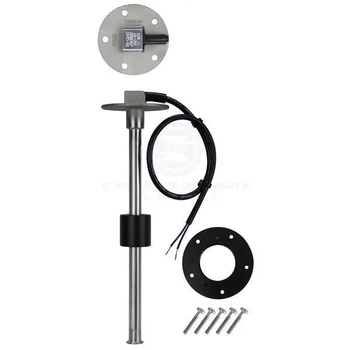
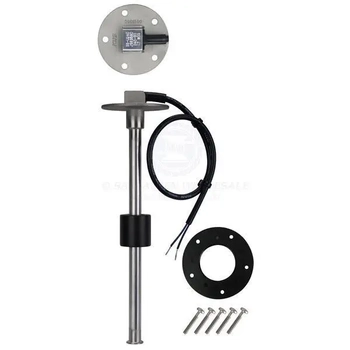
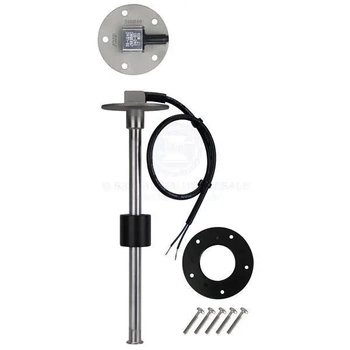
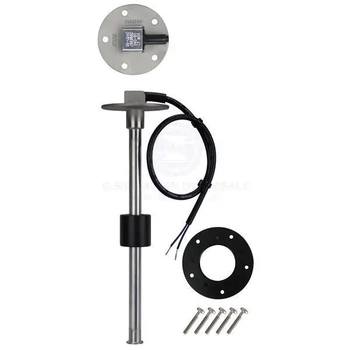
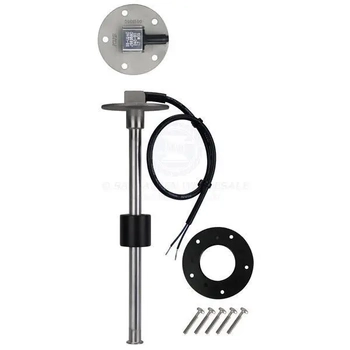
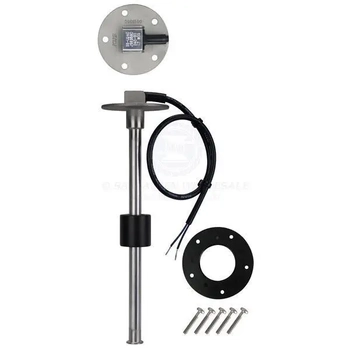
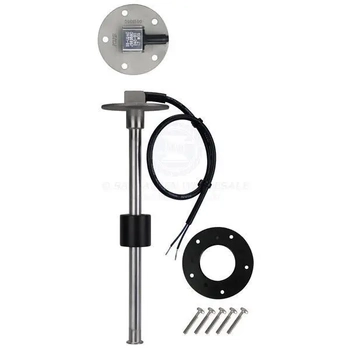
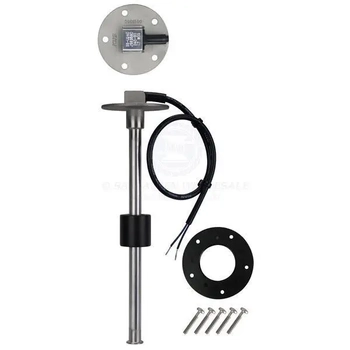
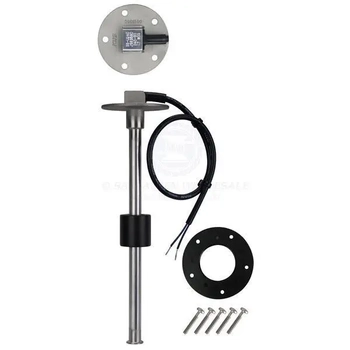
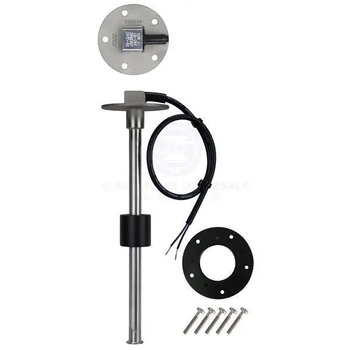
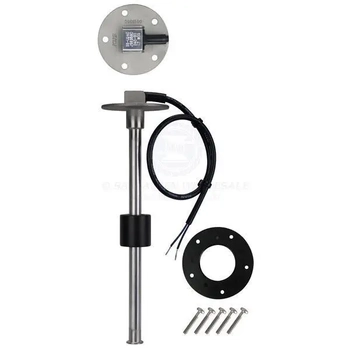
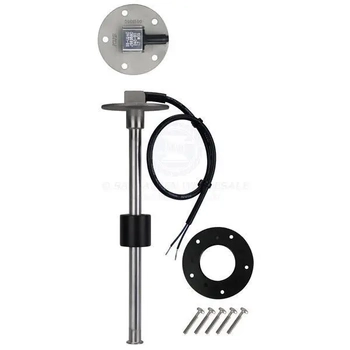
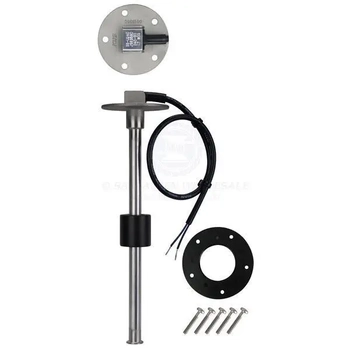
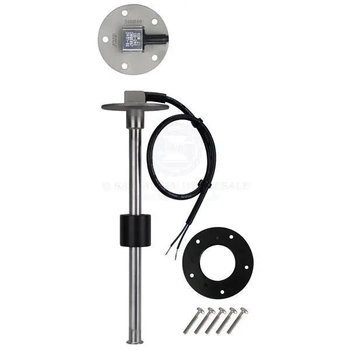
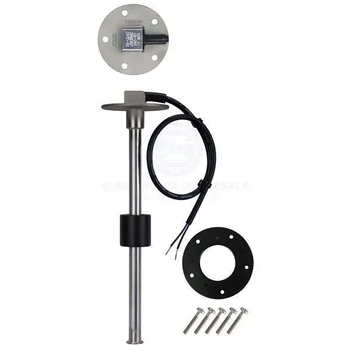
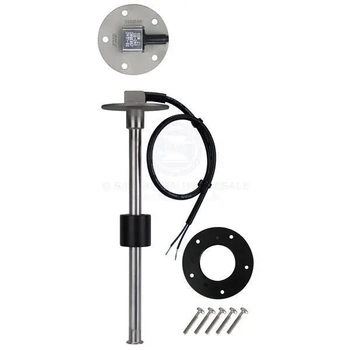
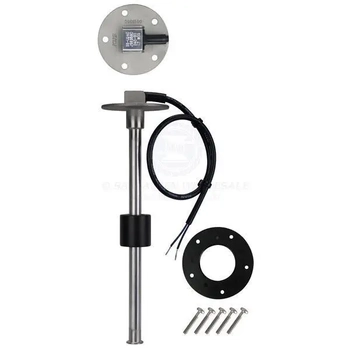
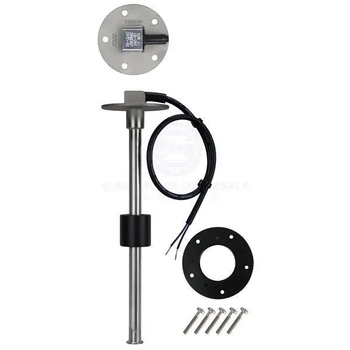
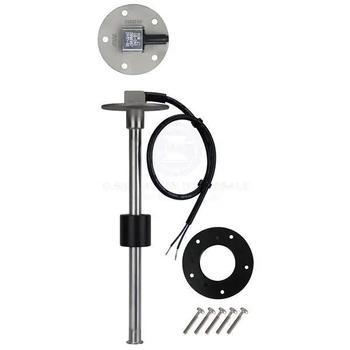
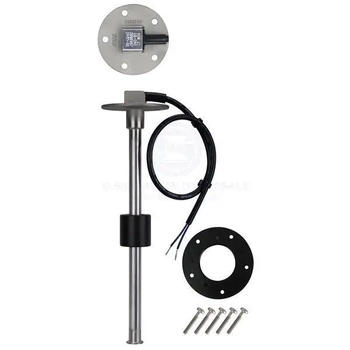
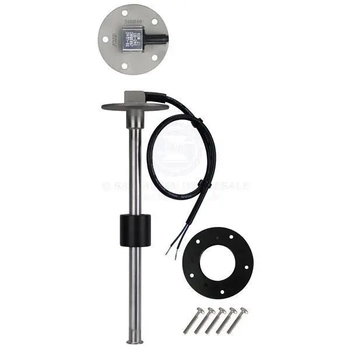
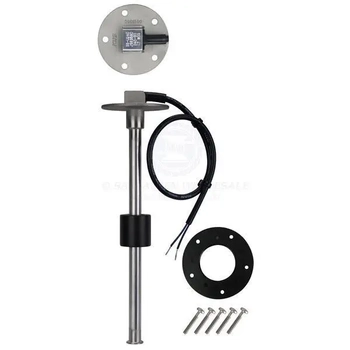
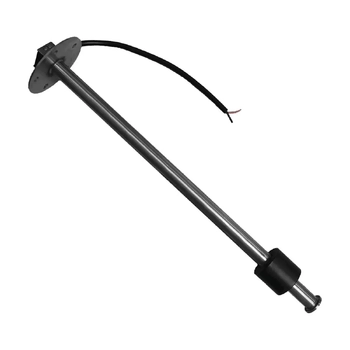
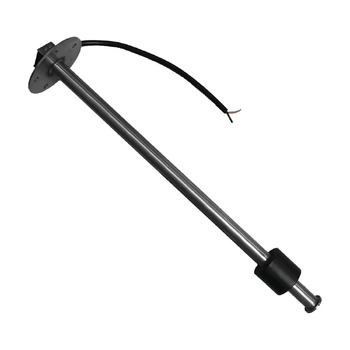
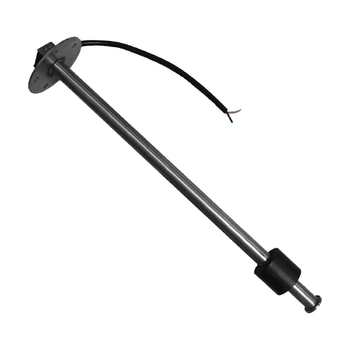
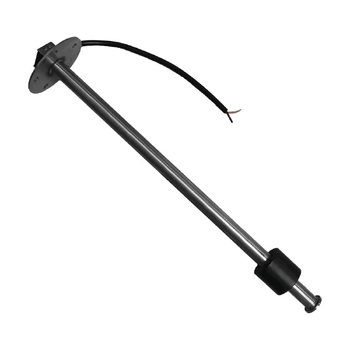
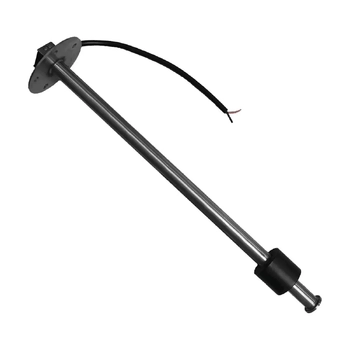
Marine fuel gauges and senders give you a tank level reading at the helm or dash panel, helping you plan fuel stops and manage range on day trips and longer runs. A fuel gauge system works as a matched pair the gauge at the panel and the sender in the tank need to be compatible in resistance range, wiring and connection style to give useful, reliable readings. This range covers gauges, senders and combined gauge and sender systems for outboard and inboard fuel tanks.
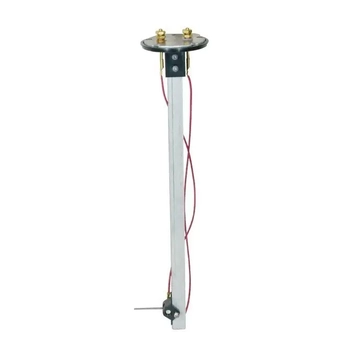
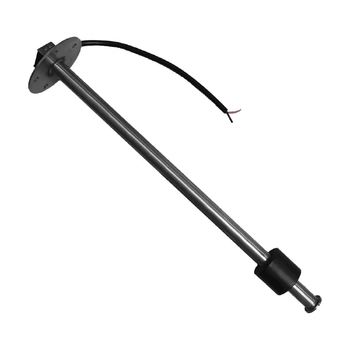
A marine fuel gauge measures the resistance signal from a sender unit mounted in the fuel tank. The sender uses a float arm that rises and falls with the fuel level, varying resistance and causing the gauge needle or display to move accordingly. Because gauge and sender resistance ranges vary between manufacturers common ranges include 24033 ohm and 33240 ohm, but these vary the gauge and sender in your system need to be compatible. Replacing only one part without checking the other can result in incorrect or no reading.
If marine fuel gauges is part of a larger upgrade, the Outboard Fuel Line and Primer Bulb Guide helps you think through fuel line, primer bulb and fitting compatibility checks.
Start by identifying what sender is already fitted to your tank, or what resistance range the existing gauge is designed for. For the broader range of fuel system parts, browse marine fuel tanks and accessories.
The key specification to check is the resistance range the gauge and sender must share the same range. Beyond resistance, check the sender's arm length and float travel against the tank depth. A sender with an arm too long or too short for the tank will not use its full travel range, reducing the accuracy of the reading across the full tank level. Mounting pattern, flange size and the number of mounting holes on the tank should also be confirmed before ordering a sender.
Panel cut-out size, gauge diameter and bezel style matter for the dashboard, but these should be checked after confirming compatibility. A well-matched gauge system is more useful than a stylish gauge that does not work with the sender or tank.
Before ordering, check the wiring condition between the gauge and sender corrosion, poor earth connections and damaged wire insulation can cause inaccurate readings that mimic sender or gauge failure. On older boats or modified fuel systems, the sender may not match the original tank shape, which can affect float travel and level accuracy.
For related fuel system servicing, also consider marine fuel filters gauges, senders and filters are often reviewed together during fuel system checks, particularly on older outboard and inboard setups where contamination and wear can affect multiple components at once.
Where wiring access, fuel tank entry or electrical work is involved, follow product installation instructions and use a qualified marine electrician where required.
A marine fuel gauge needs a compatible sender with a matching resistance range, clean wiring with a good earth connection, and a sender arm that suits the tank depth and shape. All three need to be checked when replacing or diagnosing a fuel level problem.
Yes. The gauge and sender need matching resistance ranges to communicate correctly. Replacing one without checking the other's specifications can result in incorrect readings. Check the resistance range for both the gauge and sender before ordering either part.
Measure the tank depth, check the mounting flange pattern and confirm the arm length and float travel against the tank dimensions. The sender should use its full travel range from the bottom to the top of the usable fuel depth. Compare the specifications against the product listing before purchasing.
Common causes include a mismatched resistance range between gauge and sender, a sender arm length that does not suit the tank depth, poor earth connections, corroded wiring and physical wear in the sender float mechanism. Check the wiring and earth before assuming the gauge or sender needs replacing.
Where wiring involves access to the fuel tank area or forms part of a broader electrical repair, following product installation instructions and using a qualified marine electrician is advisable. Fuel system access has safety implications that make careful installation important.
ABN: 99 423 721 756