$3.90 off RRP of $77.95
$199.41 $209.90
$190.55 $206.00
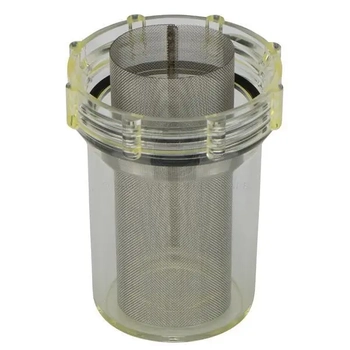
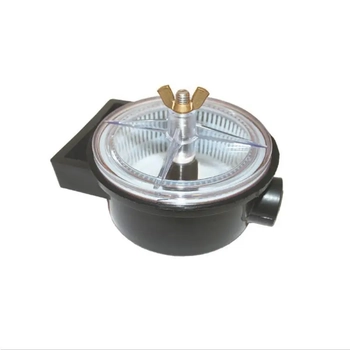
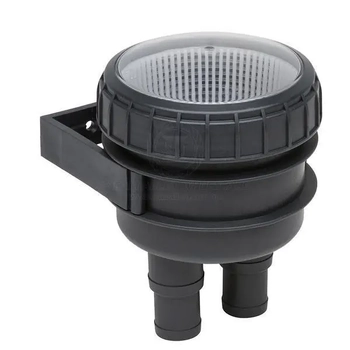
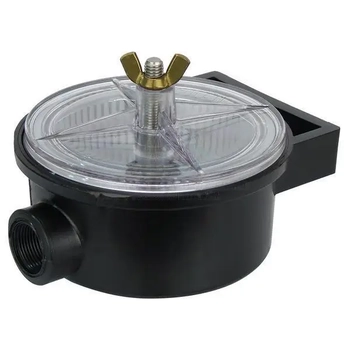
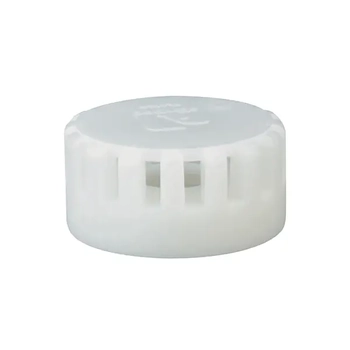
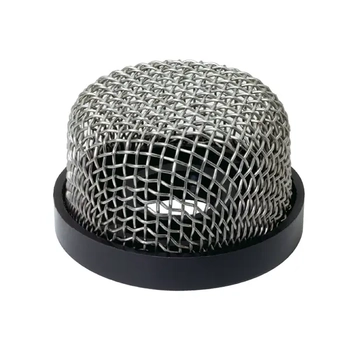
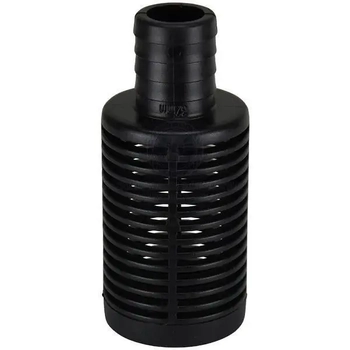
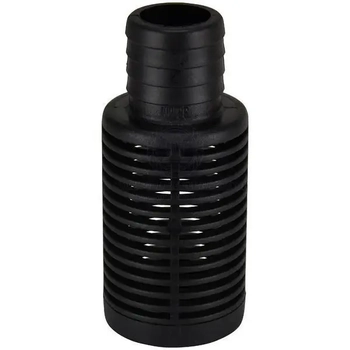
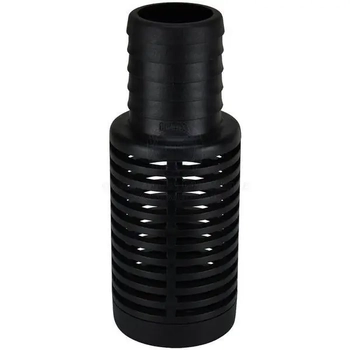
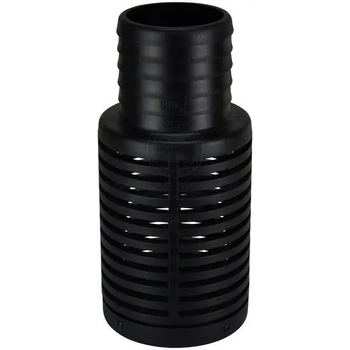
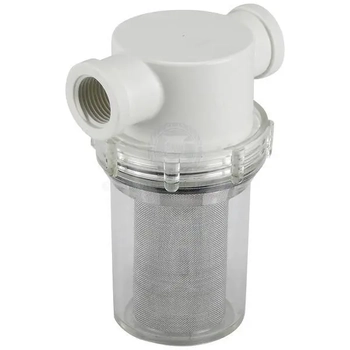
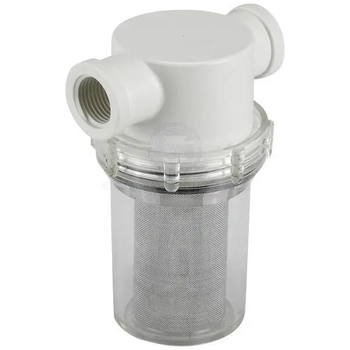
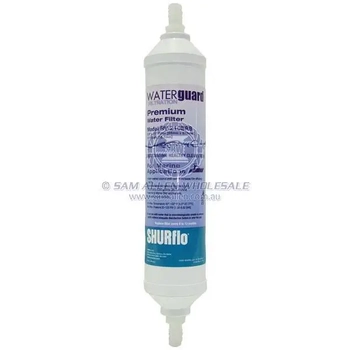
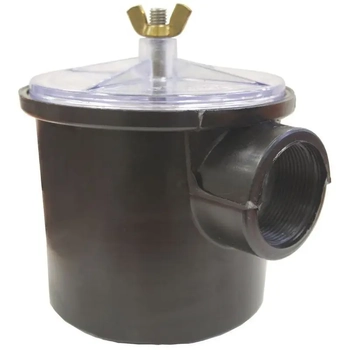
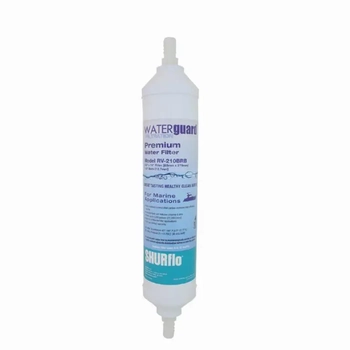
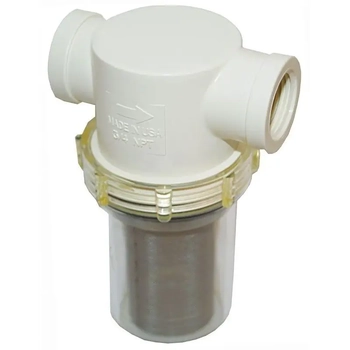
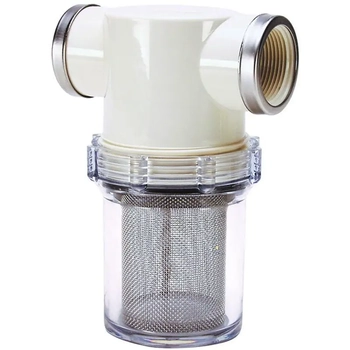
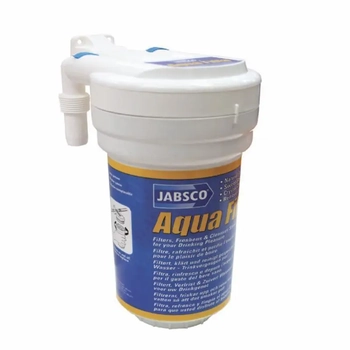
Marine filters and strainers help protect pumps, plumbing and water systems by catching debris before it reaches sensitive parts. Choose by mesh or filter type, bowl access, hose size, mounting position and the system the strainer will serve.
Filters and strainers are fitted to help keep debris away from pumps, taps, washdown systems and raw-water plumbing. They are especially useful where water is drawn through an intake, tank or hose that may carry grit, weed, scale or small particles.
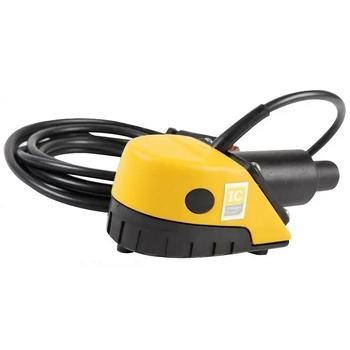
For raw-water systems, strainers are often used before saltwater pumps or other pumps. The same planning should consider nearby skin fittings and marine valves so the intake, isolation point and cleaning access work together rather than as separate parts.
A strainer that is hard to reach is less likely to be cleaned. If the system feeds general purpose pumps, washdown, toilet or galley plumbing, make routine inspection simple enough that the part can be checked before flow problems become a pump issue.
It is typically installed where it can catch debris before it reaches a pump or sensitive plumbing component. Placement depends on the intake, hose route and service access.
Cleaning frequency depends on use and water conditions. Inspect more often after shallow-water use, weed, sand, scale or any drop in pump flow.
Not all systems use one, but many raw-water and debris-prone installations benefit from strainer protection. Check the pump instructions and plumbing layout.
ABN: 99 423 721 756