

Trailer Plugs & Sockets
Filters
FILTERS
Product Type
Price
Filters
Show Filters
(31 Results)

$24.95

$170.91 $179.90
$8.99 off RRP of $179.90

$170.91 $179.90
$8.99 off RRP of $179.90

$199.41 $209.90
$10.49 off RRP of $209.90

$208.91 $219.90
$10.99 off RRP of $219.90
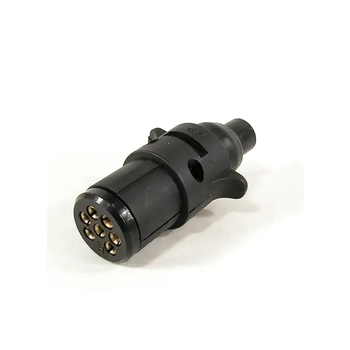
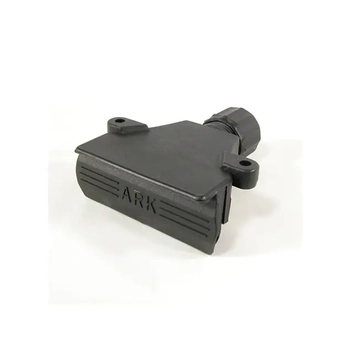
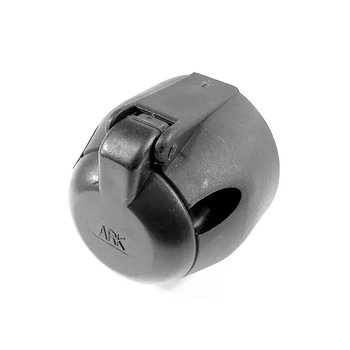
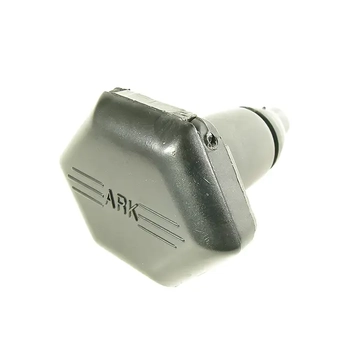
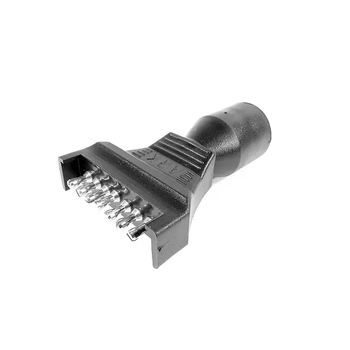
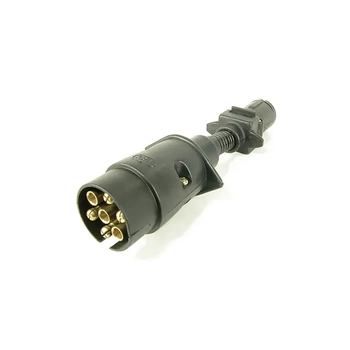
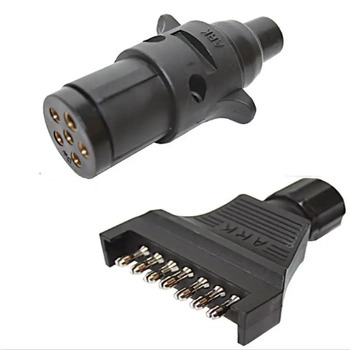
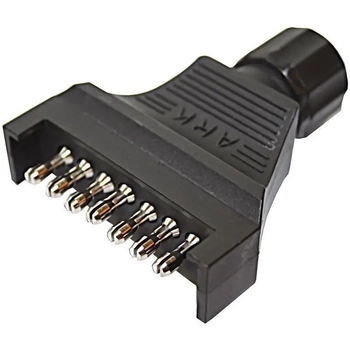

$140.79 $148.20
$7.41 off RRP of $148.20

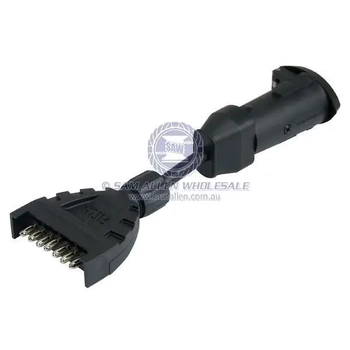
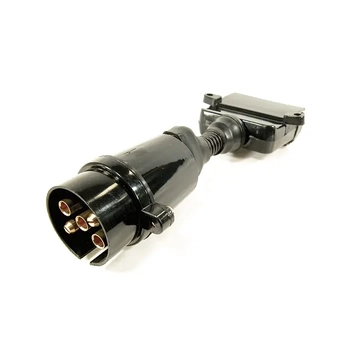
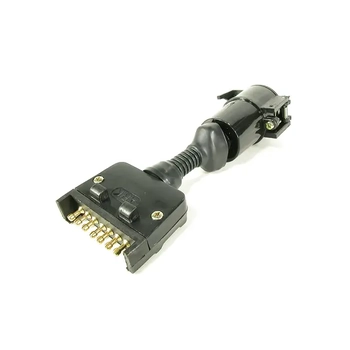
Trailer plugs and sockets connect the tow vehicle wiring with boat trailer lights and related electrical connections. The right connector depends on the vehicle, trailer plug style, pin configuration and wiring condition. Check product specifications and existing components before purchase, and use a qualified installer where required for electrical work. Because boat trailers often face salt spray, road grime and ramp use, it is worth checking plugs, sockets and cabling together rather than treating each part in isolation before towing.
Choosing trailer plugs and sockets
Match the plug or socket to the tow vehicle and trailer setup before replacing parts. Consider pin count, mounting position, cable condition and exposure to spray, dust and ramp use. If trailer lights are unreliable, inspect the connector, wiring and earth points rather than replacing one part without checking the rest of the circuit. Sourcing a direct replacement is easier when you have the existing plug style and pin layout confirmed before ordering.
Trailer electrical checks
Connector choice often sits alongside broader boat trailer parts, working boat trailer lights, visibility items such as trailer reflectors and related trailer brake cables. Requirements can vary, so check local towing rules and product guidance before installation.
Installation and maintenance considerations
Trailer plugs and sockets used near saltwater ramps are exposed to corrosion from spray, sand and moisture. Regular inspection of connector pins, sockets and cable entry points can help identify issues before a towing trip. If wiring or connectors are corroded or unclear, get qualified electrical advice rather than relying on a visual check alone. Connections that work on dry runs may behave differently after submersion at a boat ramp.
Common selection checks
Before purchasing a replacement plug or socket, identify the pin count, connector style and whether the cable entry is suitable for the existing cable diameter. If the trailer has been modified or rewired, confirm the current connector type rather than assuming it matches the original. A mismatched connector may cause intermittent faults that are harder to diagnose than a complete failure.
FAQs
Which trailer plug or socket do I need?
Match the connector type and pin configuration to the tow vehicle and trailer wiring. Check existing parts and product specifications.
What should I check if trailer lights stop working?
Inspect the plug, socket, wiring, earth connection, bulbs and trailer lights. Electrical faults may need a qualified installer.
Are trailer plugs and sockets universal?
No. Connector style, pin layout and mounting can differ between setups.
Can I replace a trailer socket myself?
That depends on your electrical experience and trailer wiring. Use a qualified installer where required.
What related trailer parts should be checked?
Trailer lights, reflectors, wiring, plugs and sockets should be checked together before towing.
read more