
$5.45 off RRP of $109.00

$132.05 $139.00
$132.05 $139.00
$132.05 $139.00
$132.05 $139.00
$132.05 $139.00
$132.05 $139.00
$132.05 $139.00
$132.05 $139.00
$132.05 $139.00
$132.05 $139.00
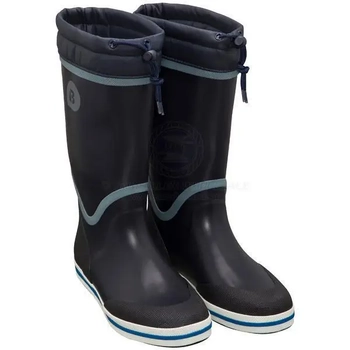
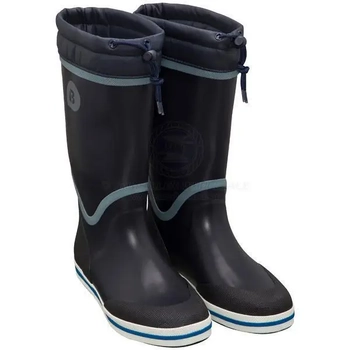
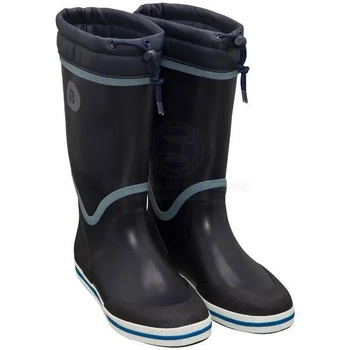
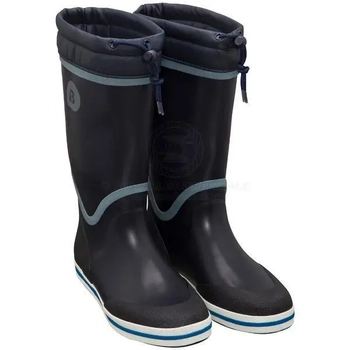
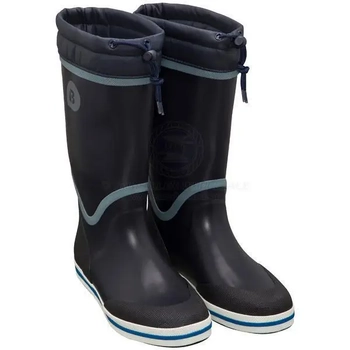
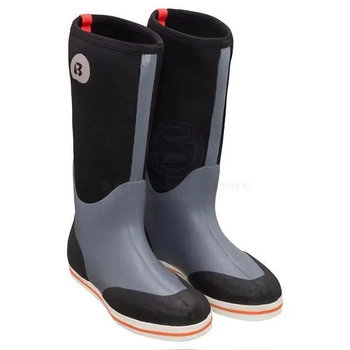
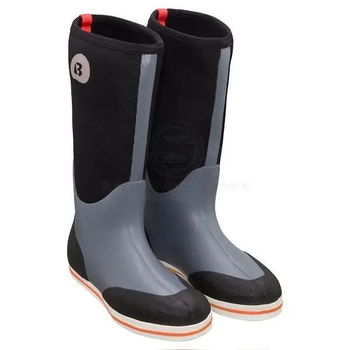
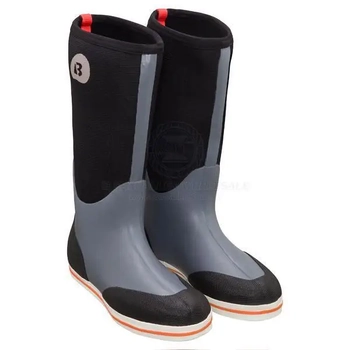
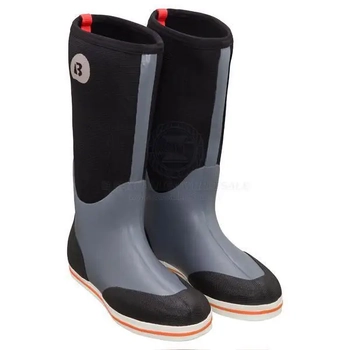
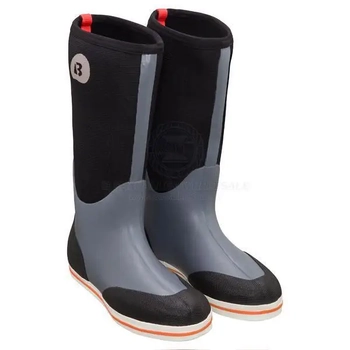
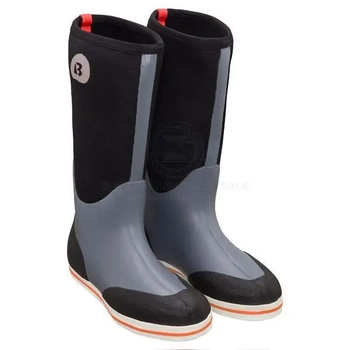
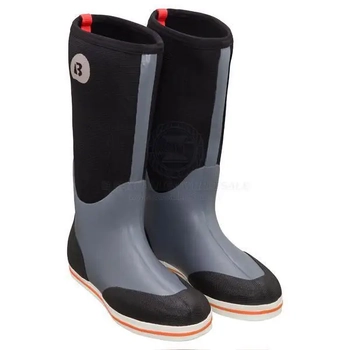
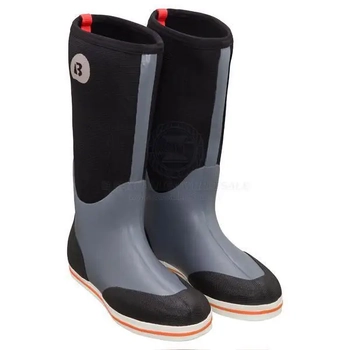
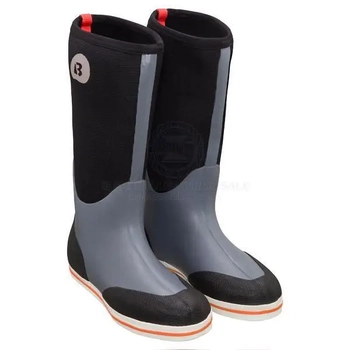
Marine boots help keep feet covered and comfortable around spray, fish, mud and wet decks during boating, fishing and maintenance jobs. Choose boating boots by grip, ankle support, material and fit for the conditions you work in.
Marine boots are useful when launching, retrieving, cleaning, fishing or moving around damp decks and ramps. The right pair depends on where they will be worn, how much ankle support is needed and whether the job involves sand, mud, fish handling, washdown or general marina work.
When comparing boat boots, look at sole pattern, flexibility, lining, height and how easily the boot can be rinsed after use. A non-marking or deck-friendly sole may be important on finished surfaces, while a taller boot can be more practical around bait tanks, fish boxes and wet launch areas. Fit also matters because loose boots can be awkward when stepping between trailer, pontoon and cockpit.
For lighter neoprene-style footwear used around water activities, compare wetsuit boots. For broader deck clothing and footwear choices, browse marine footwear, clothing and apparel and marine gloves.
Look for suitable sole grip, boot height, comfort, ease of cleaning and materials that suit the type of boating, fishing or maintenance work you do.
Marine boots are generally chosen for deck, ramp, fishing and washdown work, while wetsuit boots are usually lighter neoprene-style footwear for water activity and thermal comfort.
They should feel secure enough for stepping around decks and ramps without excessive movement, while allowing room for the socks or layers you normally wear.
ABN: 99 423 721 756