
$17.83 off RRP of $356.60

$803.27 $845.55
$559.50 $588.95

$321.29 $338.20

$321.29 $338.20

$387.74 $408.15

$393.35 $414.05

$443.18 $466.50
$166.20 $174.95

$166.44 $175.20

$237.41 $249.90

$237.41 $249.90

$275.41 $289.90

$237.41 $249.90

$237.41 $249.90

$237.41 $249.90

$227.91 $239.90

$227.91 $239.90
$265.91 $279.90
$427.41 $449.90
$427.41 $449.90
$427.41 $449.90
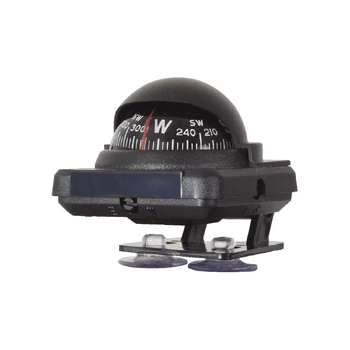
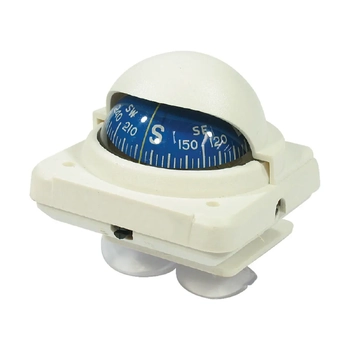
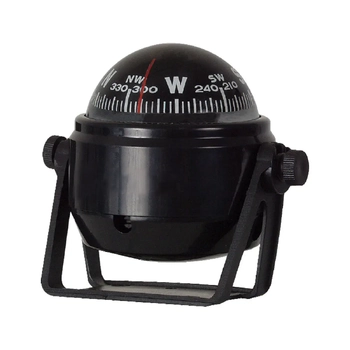
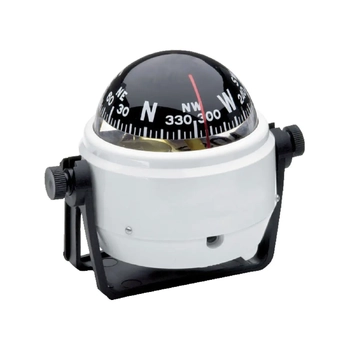
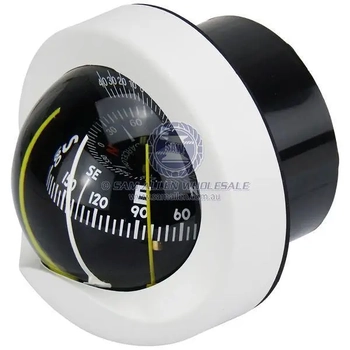
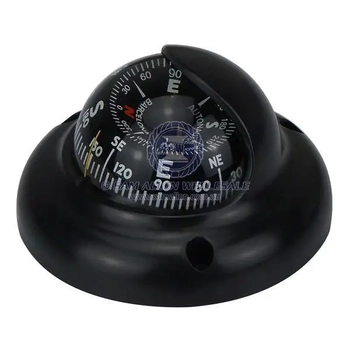
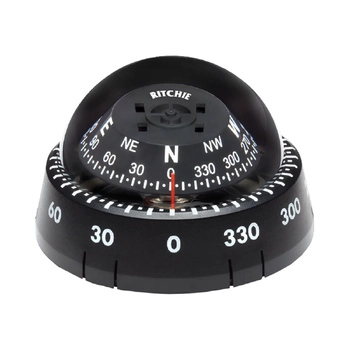
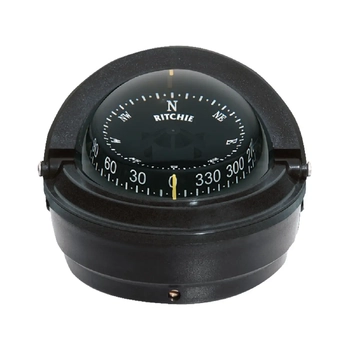
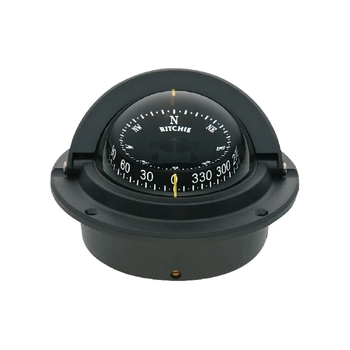
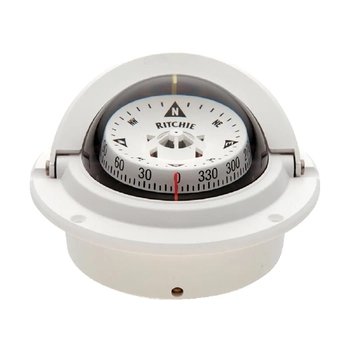
Marine compasses provide an independent heading reference for powerboats, yachts and small craft useful for steering a course, checking electronic navigation data and maintaining orientation when screens or GPS reception are unavailable. Choosing the right compass depends on mounting style, card size, viewing angle, lighting, vessel movement and the proximity of metal or electrical equipment that can cause deviation. Check product specifications and installation guidance carefully before purchasing, and plan the mounting position before drilling or cutting panel material.
A well-positioned compass gives a direct, independent heading reference that requires no power, no signal and no screen. It is most useful as a steering reference for maintaining a course and as a backup when electronic navigation is unavailable, uncertain or in the process of being set up. In Australian coastal conditions crossing estuaries, navigating channels, transiting offshore in reduced visibility having a reliable heading reference is a practical safety measure, not an old-fashioned one.
Shoppers planning a broader navigation setup can compare marine navigation alongside electronic options such as GPS chartplotters and boating charts for a complete picture.
Mounting style is the first practical decision. Compass formats include bracket-mounted, flush-mounted, bulkhead-mounted and binnacle-mounted options the right style depends on whether you are fitting to a console, dash panel, helm post or purpose-built compass bracket. Confirm the mounting plane, the panel material, the drilling requirements and the required clearance before ordering.
Card size, graduations and readability at a glance are important for how useful the compass is in practice. A compass that requires concentration to read in chop or spray is less useful than one that can be checked quickly from the normal steering position. Illumination either internal lighting or a separate light fitting may be important for night use.
Compasses can be affected by nearby metal objects, speakers, wiring, electric motors, electronic equipment and permanent magnets. Even a correctly chosen compass may need checking and adjustment known as swinging the compass after installation to identify deviation on different headings.
When choosing a mounting position, keep the compass away from obvious sources of magnetic interference where possible. Check the product specifications for the recommended clearance from speakers and other equipment. If the compass is critical for the vessel's navigation approach, professional checking and adjustment may be worthwhile after installation. Related marine instruments can complement a compass for boats that monitor heading and navigation data together.
A compass should be positioned where it can be read easily and accurately from the normal steering position, without requiring the helmsperson to look away from the course or move to see the card. Check whether the compass is designed for the angle of the mounting surface some are designed for flat horizontal mounting, while others suit angled consoles or vertical bulkheads. Viewing angle, card tilt and parallax error all affect how accurately the heading can be read while steering.
For coastal and passage planning, a compass works best alongside current charts, local knowledge and other navigation references. It is an independent check not a substitute for a complete navigation approach.
On boats with GPS and chartplotters, a compass still earns its place as a sanity check. Electronic systems can show an estimated heading based on movement over ground which differs from magnetic heading and comparing the two can catch errors in the electronics or sensor setup. A compass also provides a reference when moving slowly, at anchor or in tight manoeuvring situations where GPS heading is less reliable.
A compass gives an independent heading reference that requires no power, signal or screen. It remains useful as a backup, a steering reference and a cross-check for electronic navigation. GPS shows course over ground, which differs from magnetic heading, particularly at slow speeds or when stopped.
Consider mounting style (bracket, flush, bulkhead or binnacle), card size and readability, illumination, viewing angle from the steering position and clearance from magnetic interference. Confirm the mounting surface, panel material and drilling requirements before purchasing.
Yes. Speakers, wiring, electric motors, instruments and metal fittings can cause deviation. Check the product's recommended clearance specifications and position the compass away from obvious sources of interference. After installation, checking the compass for deviation on multiple headings is good practice.
Yes. A compass provides an independent cross-check and is useful when the chartplotter is unavailable or when steering a course in conditions where screen glare makes reading the display difficult. It also provides a heading reference at low speeds where GPS course-over-ground is less accurate.
GPS chartplotters, boating charts and marine instruments are complementary navigation products worth reviewing alongside a compass. A practical navigation setup for most recreational boats includes more than one reference for heading, position and course.
ABN: 99 423 721 756