$3.44 off RRP of $68.90
Trailer wheel bearings are important service parts for boat trailers exposed to road use, water, salt and storage periods. Choosing the right bearings means checking bearing numbers, hub size, seal type, axle setup and any kit inclusions before purchase. Bearing compatibility should never be guessed from trailer appearance alone, so confirm measurements, existing part numbers and manufacturer guidance where possible. This category is useful for trailer servicing, bearing replacement planning and checking related running gear before the next trip. It also supports buyers checking related hub, seal and maintenance parts before selecting a replacement kit.
Trailer wheel bearings need to match the hub and axle assembly. Start by checking existing bearing numbers, seal dimensions, hub style and whether the trailer uses a kit or individual components. If the old parts are worn, overheated or contaminated, inspect the hub and axle area before fitting replacements.
Customers reviewing trailer wheel bearings can use the Trailer Jockey Wheel Buying Guide to compare jockey wheel size, mounting style and trailer handling requirements.
For broader servicing, the boat trailer parts category can help identify related trailer hardware. If rollers or supports are also worn, compare boat trailer rollers while planning the job.
Do not assume all trailer bearings are the same. Bearings can vary by inner and outer diameter, width, seal type and hub compatibility. Water exposure can make maintenance more important on boat trailers, but no bearing or kit confirms service life in every situation. Follow manufacturer instructions for lubrication, adjustment and replacement intervals.
Wheel bearings are one part of the running gear. During a trailer check, also look at tyres, hubs, brakes where fitted, rollers, tie-downs and lights. If the trailer is hard to move by hand, related trailer jockey wheels may need attention. For visibility items, trailer reflectors can be reviewed separately.
Correct bearing selection depends on precise measurements and trailer/hub compatibility. Check the product listing and existing parts carefully before purchase.
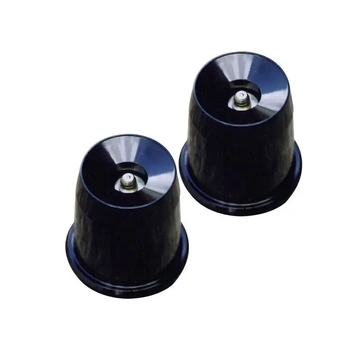
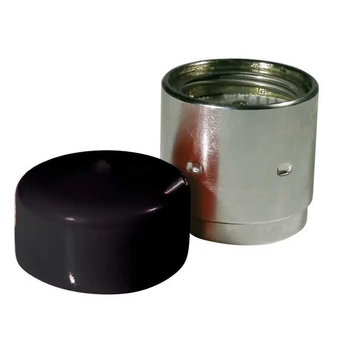
Boat trailer bearings often work in harsh conditions because they can move from road speed to water immersion and then sit in storage. This makes correct sizing, sealing and maintenance important. Bearing buddies, seals and caps may be part of the broader servicing conversation, depending on the hub and product setup.
When a bearing issue is suspected, avoid selecting parts by appearance alone. Heat, noise, play or water-contaminated grease can indicate that the hub and axle area need a closer check. Confirm part numbers, measurements and kit contents before purchase, and use a qualified service provider where needed.
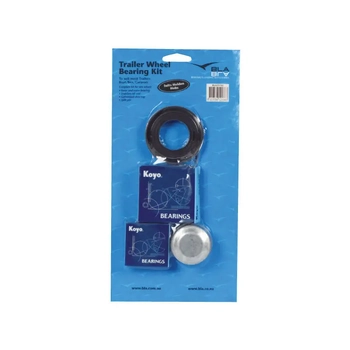
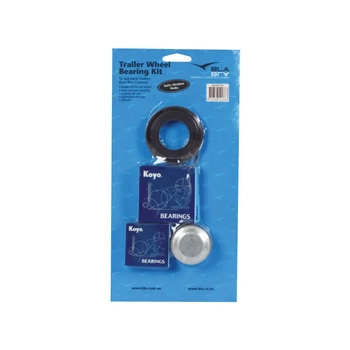
Some bearing products are sold as individual parts, while others may include seals or other accessories. Check the listing carefully so you know what is included and what needs to be purchased separately. If replacing bearings due to water contamination, inspect seals, caps and grease condition as part of the job.
Good maintenance depends on correct parts and regular checks. Before a long trip, trailer bearings, tyres, lights and tie-downs should be inspected according to your trailer's needs and the relevant product guidance.
Keeping a record of bearing numbers and seal sizes can also make future servicing easier, especially when the trailer is used regularly in saltwater conditions.
If in doubt, compare both sides of the trailer and replace matched service parts where the product guidance supports doing so.
Many trailer bearing failures become apparent at the ramp or on the road rather than during scheduled maintenance. Spinning each wheel by hand in a safe area, listening for roughness or noting any play in the hub can give early warning of a bearing that needs attention. While a basic check does not replace a full bearing inspection, it is a practical habit for trailer owners who use their boats regularly.
If heat from the hub is noticed after a road trip, or if grease is visible around the dust cap area, the bearings and seals should be inspected before the next use. Delaying inspection after signs of a problem can lead to more extensive hub and axle damage. Use product guidance and, where needed, a qualified service provider to assess and replace bearings correctly.
Check existing bearing numbers, hub dimensions, axle setup and seal size. If unsure, measure carefully or seek help before purchase.
Kit contents vary by product. Check whether bearings, seals, dust caps, split pins or other accessories are included before buying.
Inspection frequency depends on use, water exposure, storage and manufacturer guidance. Regular checks are sensible for trailers used around saltwater.
No. Bearings vary by size, type and hub compatibility, so part numbers or accurate measurements are important.
Check bearing numbers, seals, hub condition, axle wear, lubrication requirements and any product-specific installation guidance.
ABN: 99 423 721 756