
Marine Fillers & Putty
Filters
Show Filters
(4 Results)
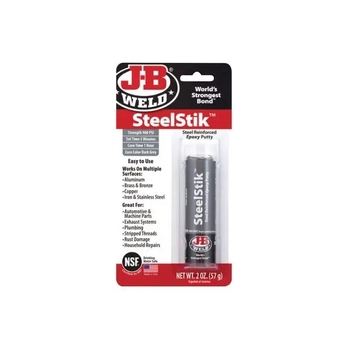
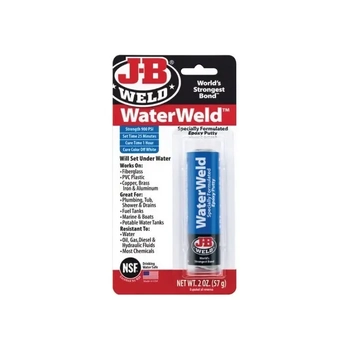
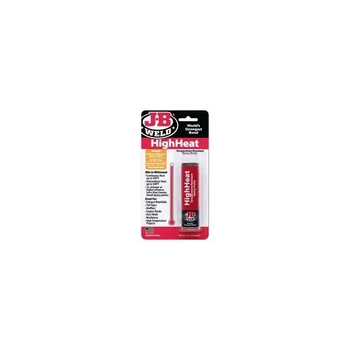
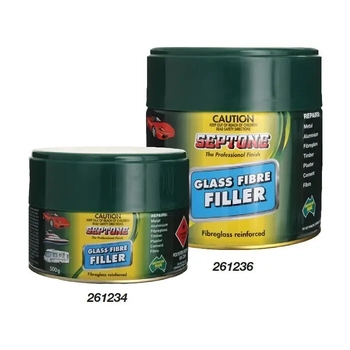
Marine fillers and putties are used to fill, fair and shape small surface imperfections before sanding, coating or finishing. This page focuses on patching and fairing materials, with clear separation from caulking, sealants, adhesives and fibreglass laminate repair products.
Choosing marine fillers and putty
Marine fillers and putty products suit jobs where a surface needs to be built up, shaped or smoothed before the next finishing step. They are not the same as caulking, which is used for flexible seams, or adhesives, which are used for bonding. If the job is a joint or seam, start with marine caulking; if it is a sealing task around fittings, compare marine sealants.
Common filler and putty jobs include smoothing minor dents, fairing low spots, filling small holes and preparing surfaces before primer or topcoat. The product choice depends on substrate, repair depth, sanding requirements and whether the area is above or below regular water exposure.
- Use filler or putty for shaping and fairing, not as a flexible joint seal.
- Check whether the product needs primer, topcoat or sanding after curing.
- Choose compatible tools and mixing methods so the repair cures evenly.
How fillers fit into repair and painting work
Fillers and putties often sit between repair and finishing. A laminate repair may begin with fibreglass and resin, then use filler to fair the surface before coating. For deeper laminate work, browse marine fibreglass repair; for paint preparation and application tools, use marine painting supplies.
When the aim is bonding rather than fairing, marine adhesives are the better category. Keeping these categories separate helps buyers choose the right product for the actual job rather than using one material across every repair step.
Practical buying notes
Fillers and putties can look similar in a product list, but they may sand, cure and finish differently. Before choosing, check whether the repair is shallow or deep, whether the area needs a smooth cosmetic finish, and whether another coating is planned over the top. For fairing work, spreading tools and abrasive papers matter too, because the final shape depends on both the filler and the preparation method.
Frequently Asked Questions
What are marine fillers and putties used for?
They are used to fill, fair and shape surface imperfections before sanding, priming, painting or finishing.
Can filler replace caulking?
No. Filler is for shaping or filling a surface, while caulking is used for flexible seams and joints.
Do fillers need to be painted over?
Many fillers need sanding and a compatible coating or finish after curing. Check the product directions before use.
read more