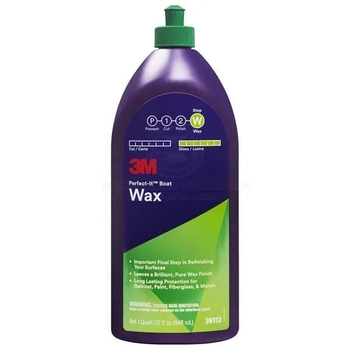
$3.76 off RRP of $75.30
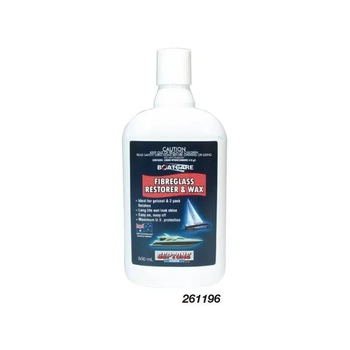
$34.90
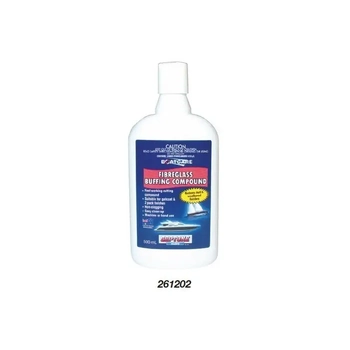
$28.90 $29.90
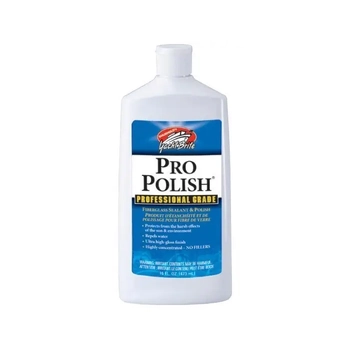
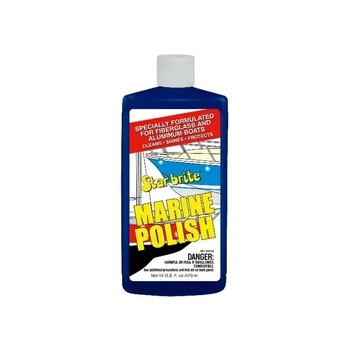

$64.51 $67.90
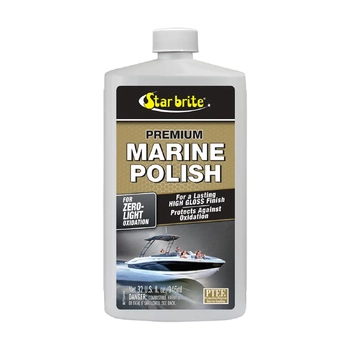
$104.41 $109.90
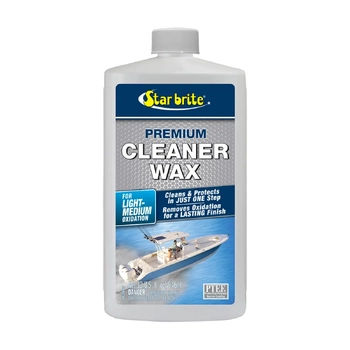
$74.01 $77.90
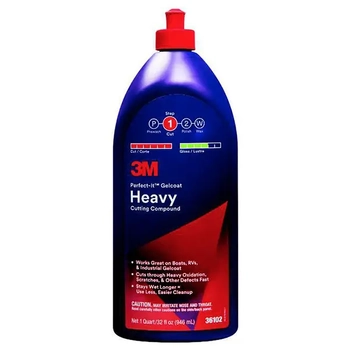
$161.41 $169.90
$493.05 $519.00


$246.91 $259.90
$123.41 $129.90
$151.91 $159.90
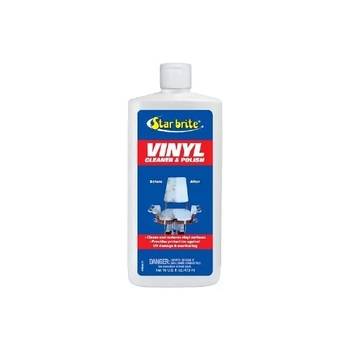
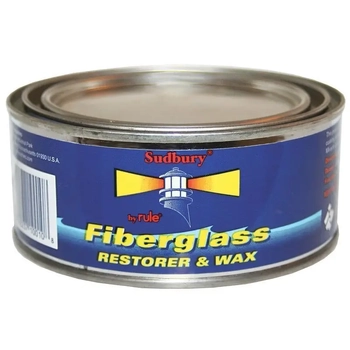
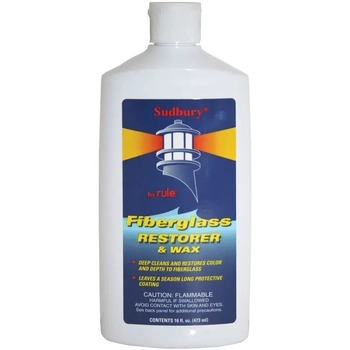
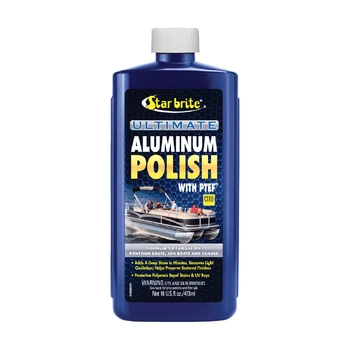
Boat polish and wax products help restore gloss, remove light oxidation and add a finishing layer after cleaning. Select by surface type, condition, application method and whether the job is hand-applied or machine-assisted.
Boat polish and wax products are used when a surface needs more than a wash. They can help improve the look of gelcoat, painted surfaces and selected metal or plastic finishes, depending on the product. The right choice depends on the level of oxidation, the surface material and the final finish you want.
Start with cleaning. Salt, grime and staining should be removed with suitable boat cleaners before polishing or waxing. If the surface needs cutting, buffing or pad work, compare buffing pads and abrasives. For ongoing finishing after cleaning, marine surface protectants may also be relevant.
For older gelcoat or weathered finishes, work in small sections and follow the product directions carefully.
Polish is generally used to improve or refine the surface finish, while wax is commonly used as a finishing layer. Some products combine both functions.
Yes. Dirt, salt and grime should be removed first so polish or wax can be applied to a suitable surface.
Some products can help with light oxidation, but heavily weathered surfaces may need a more involved process and suitable pads or abrasives.
ABN: 99 423 721 756