$269.90
$269.90
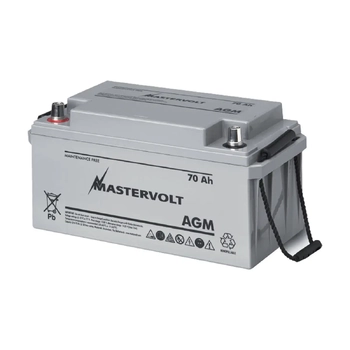
$329.90
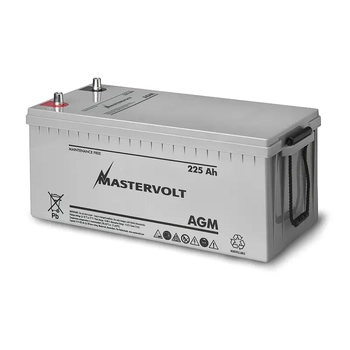
$819.00
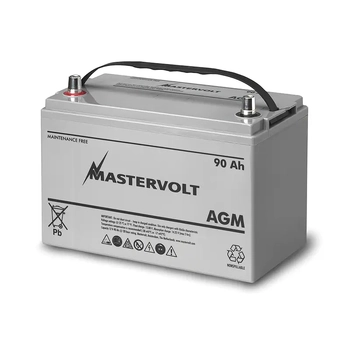
$389.90
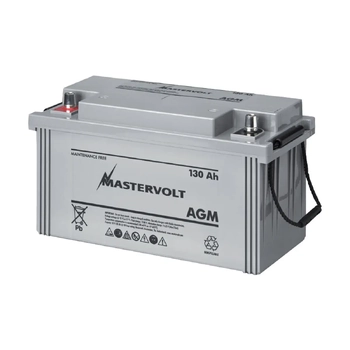
$519.00
$629.00
$849.00
$369.90
$559.00
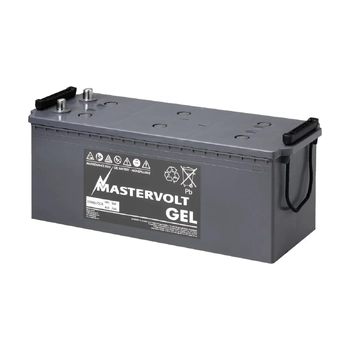
$739.00
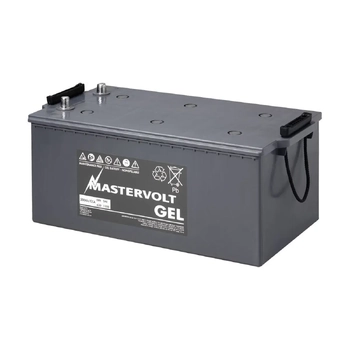
$1,129.00
Marine batteries support starting systems, electronics, lighting, pumps and house loads, so selecting one should be based on how the boat is used rather than case size alone. Compare battery type, capacity, case dimensions, terminal layout, charging setup and whether the battery is intended for starting, deep-cycle or mixed accessory use. Heat, vibration and salt air can be demanding on boat electrical systems, so check product specifications carefully and use a qualified installer where required. Also review the existing battery tray, hold-downs and cable condition so the replacement plan suits the whole onboard power setup rather than just the battery footprint.
Battery choice starts with the job. A starting battery is selected around engine cranking requirements it is designed to deliver a high burst of current briefly, then be quickly recharged by the alternator. A house or deep-cycle battery is used for sustained loads such as lights, electronics, pumps and accessories when the engine is off. Some setups use dual-purpose batteries, while others use separate dedicated banks for each role.
Identify what loads the battery will serve before comparing products. For broader onboard power planning, review related marine electrical equipment to keep the battery, wiring and circuit protection matched as a complete system rather than choosing components in isolation.
Capacity, physical dimensions, terminal position and battery chemistry all need to be checked before purchase. Different battery types including AGM, gel and lead-acid flooded designs have different charging requirements, maintenance needs, temperature tolerances and installation considerations. Do not assume a battery of the same physical size will suit the same charging system the charger, alternator and any solar regulator may need to match the battery type.
If solar charging is part of the plan, review compatible marine solar panels and confirm the regulator or charge-controller setup suits the battery type. Always check the manufacturer's charging specification before connecting a new battery to an existing charging system.
Battery circuits should be designed with suitable protection. Review circuit protection options alongside the battery to confirm that fuses or breakers are correctly rated for the cable size and expected current. Correctly sized marine electrical wire matters too undersized cable can create a risk of heat build-up even with appropriate fuse protection.
For dual-battery or house-bank arrangements, also review how the battery is isolated, charged and monitored. Battery isolators, charge combiners and battery monitors are separate products not covered in this category but worth researching before committing to a battery bank design.
Avoid selecting a battery based only on appearance or the old case dimensions. Check the manufacturer's specifications, the vessel's charging equipment and the expected loads. Battery installation and electrical changes should be handled carefully, particularly where multiple batteries, isolators or charging sources are involved. Use a qualified installer where the electrical system is complex, unknown or involves significant modification.
Before installing a replacement battery, measure the battery space, confirm ventilation around the compartment and check that terminals, hold-downs, cables and connections are all still suitable. A battery that physically fits may still need updated cabling, terminals or tray brackets to be installed safely. For boats used for cruising, fishing or overnight use, plan what loads will remain powered when the engine is off and how the battery will be recharged between uses this helps match capacity and battery type to real-world demands rather than the label alone.
It depends on whether the battery is for engine starting, house loads or accessory use. Check engine cranking requirements, expected loads when the engine is off, capacity, physical size, terminal layout and charging system compatibility before choosing.
Starting batteries deliver a high current burst for engine cranking and are designed for quick recharge. Deep-cycle batteries are built for sustained, repeated discharge to power accessories and house loads. Some setups use separate dedicated batteries for each role.
Solar panels can be part of a charging system, but output and suitability depend on panel size, placement, weather, wiring, battery type and regulator or charge-controller setup. Confirm that the charging system is matched to the battery type before connecting.
Check dimensions, terminal layout, battery type, capacity, charging system compatibility and cable condition. Confirm product specifications before replacing, and inspect the tray, hold-downs and surrounding wiring at the same time.
Battery circuits commonly require suitable fuse or circuit breaker protection, but the correct rating and placement depend on the system design and cable size. Use a qualified installer where the electrical layout is uncertain or involves multiple battery banks.
ABN: 99 423 721 756