






Filters
Show Filters
(31 Results)


$2.87
off RRP of $57.40


$3.44
off RRP of $68.85

$12.06
off RRP of $241.13


$4.04
off RRP of $80.74

$3.44
off RRP of $68.71

$10.60
off RRP of $211.94

$7.90
off RRP of $158.00


$2.83
off RRP of $56.62


$4.79
off RRP of $95.89


free shipping*
Technifill Xp R1160 Resin+Hardener
Technifill Xp R1160 Resin+Hardener
SAW-321208
$1,419.90

$2.59
off RRP of $51.90


$246.91 $259.90
$12.99
off RRP of $259.90

$6.99
off RRP of $139.90
Marine fibreglass repair covers the broader repair pathway for hulls, decks and panels, from reinforcement materials through resin, fillers and finishing products. This category works as the hub for fibreglass and resin jobs, helping buyers move to the right category once the repair type is clear.
Planning a marine fibreglass repair
Marine fibreglass repair can involve several different product types, so it helps to separate the repair into stages before buying. Reinforcement materials such as marine fibreglass supplies are used when strength or laminate build-up is required. Resin products are used to wet out cloth, bond materials or create a repair base. Fillers, gelcoat and flowcoat are then selected according to how the surface needs to be shaped and finished.
The Fibreglass Repair Guide is worth reviewing when marine fibreglass repair decisions depend on damage type, surface preparation and when to seek repair advice.
The repair location also matters. A deck repair, dinghy panel, hatch edge or small hull patch may each need a different combination of materials. Use this category as a starting point to compare the overall job, then move to the specific product category that matches each stage of the repair.
- Identify whether the task is structural reinforcement, surface filling or cosmetic finishing.
- Check surface preparation requirements before mixing or applying materials.
- Keep curing time, sanding and final coating steps in mind before starting.
Where each fibreglass and resin category fits
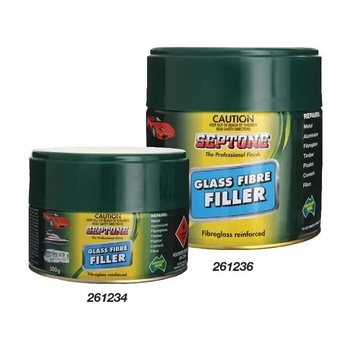
For resin selection, browse marine resin. For final surface finishing, use marine gelcoat. If the job is mainly about shaping low spots or filling minor damage, related fillers and putties may be more suitable than reinforcement cloth. For sealing deck hardware or joints rather than repairing laminate, the adhesives and sealants category is the better destination.
Use the categories above as a general starting point for fibreglass and resin repairs, covering each stage of the job in more detail.
Practical buying notes
For mixed fibreglass repair jobs, write down the full sequence before adding products to the cart. A repair might need surface cleaning, grinding or sanding, reinforcement, resin, fairing, more sanding, then a finish coat. Buying only the first material can leave the job half planned. This broader category helps connect those stages so buyers can move into the specific category that matches each step.
Frequently Asked Questions
What should I buy first for a fibreglass repair?
Start by identifying whether the job needs reinforcement, resin, filler or a finishing surface. Many repairs need more than one product type.
Can I use sealant instead of fibreglass repair materials?
Sealant is useful for joints and fittings, but damaged laminate usually needs products suited to fibreglass repair rather than flexible sealing alone.
Is this category for cosmetic or structural jobs?
It covers the broader repair pathway. For structural concerns or major hull damage, seek qualified advice before choosing materials.
read more


