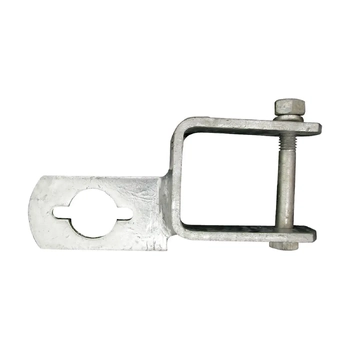

$54.06 $56.90
$2.84 off RRP of $56.90
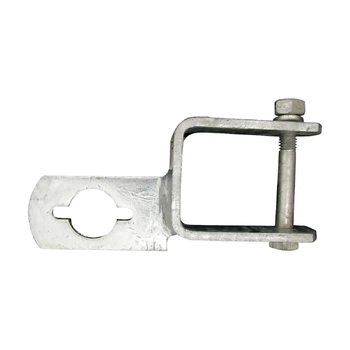
$54.06 $56.90
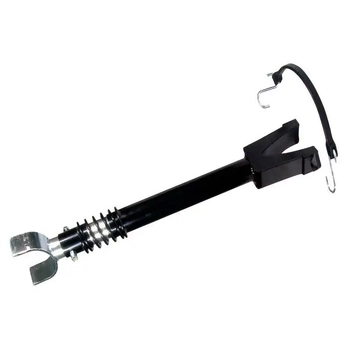
$74.96 $78.90
$23.90
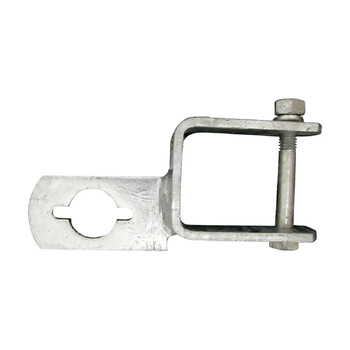
$170.91 $179.90
Outboard motor brackets and related accessories can support auxiliary outboards, tender motors and handling needs when matched correctly to the boat and engine. Selection depends on motor weight, transom layout, bracket rating, mounting dimensions, material and intended use. Check manufacturer specifications, confirm fitment carefully and use a qualified installer where required. Review how the motor will be lifted, stored and accessed so the bracket choice suits real handling needs. This helps match the bracket to the motor, boat and handling routine.
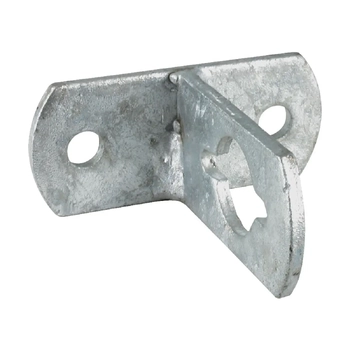
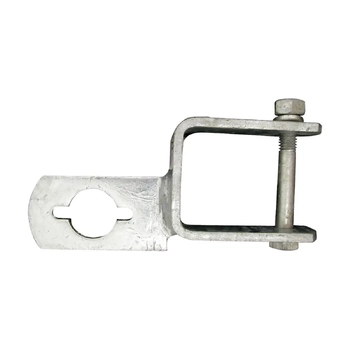
An outboard motor bracket is selected around the engine, transom and intended use. Check engine weight, bracket rating, mounting dimensions, material and whether the bracket is intended for auxiliary use, tender handling or storage support. Manufacturer specifications should guide the purchase, and fitting work may require a qualified installer.
The transom shape, thickness, available fixing area and engine position can affect suitability. Do not assume one bracket suits every outboard. Check the product rating and confirm that the surrounding structure is suitable before drilling or mounting.
Buyers may also review outboard motor accessories, maintenance-related marine engine accessories, steering categories such as marine hydraulic steering and supporting trailer accessories when planning transport or handling.
Outboard brackets are often considered for auxiliary motors, tenders or smaller outboards, but the correct choice depends on the specific engine and boat. A bracket that appears suitable by size may not suit the engine weight, transom angle, mounting area or intended operating position. Check whether the product is intended for fixed use, lifting support, storage or handling, and never assume compatibility without product-specific information.
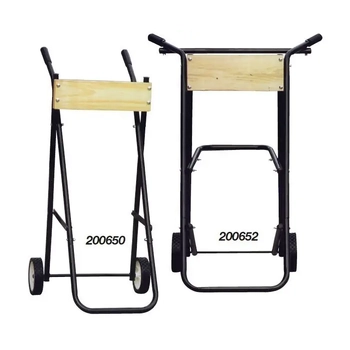
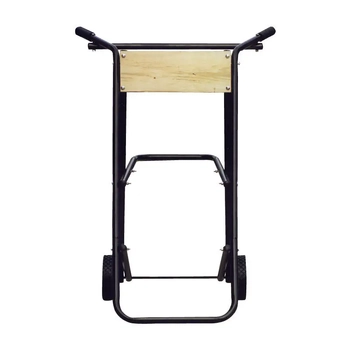
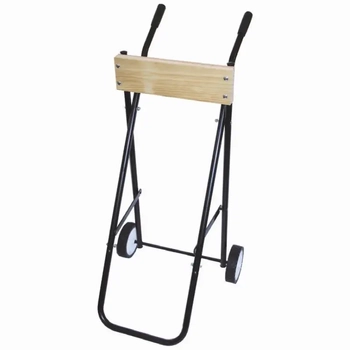
Handling accessories such as trolleys can also be useful when moving or storing small outboards away from the transom. Buyers should check wheel type, frame dimensions, handle position and the engine weight the product is designed to support. For any bracket or trolley, inspect the surrounding mounting area and follow manufacturer instructions before use.
When comparing brackets, check whether fasteners, backing plates or other mounting items are included or need to be sourced separately. Consider how the engine will be raised, lowered, stored or transported, and whether the intended use matches the product design. For powered boats, transom loads and surrounding fittings should be reviewed carefully before work begins. If the bracket is for an auxiliary outboard, consider how often the motor will be used, how it will be accessed, and whether the mounting location interferes with steering, ladders, trim tabs or other transom hardware. Confirm dimensions before purchase. Buyers should also review whether the bracket is being used for storage, transport support or on-water auxiliary use, as these are different jobs. Check product specifications for the stated purpose and rating, then compare them with the engine and transom details. Use professional advice where the transom structure or installation method is uncertain. A bracket that suits a small auxiliary engine on one boat may not suit a different hull or mounting angle. Check surrounding fittings, steering clearance and access for lifting or securing the motor before purchasing. Review whether the bracket needs to work with a trolley, storage area or trailering setup, and make sure the engine can be handled safely according to the product guidance. Avoid using a bracket outside its stated purpose or stated rating.
Outboard motor brackets and trolleys are commonly used by Australian boat owners who run a tender, dinghy or inflatable alongside a larger vessel. An auxiliary outboard bracket fitted to the transom allows a small motor to be carried without taking up deck or cabin space, while trolleys help move engines around the garage, marina pontoon or boat ramp area without requiring heavy lifting.
For tender and small boat use, bracket selection should account for the typical sea conditions the engine will be operated in. A bracket intended for calm harbour use may not suit a vessel regularly crossing exposed coastal waters. Check the product's stated purpose and the manufacturer's guidance for appropriate use conditions. Where any uncertainty exists about the transom structure or bracket suitability, professional advice is the practical first step.
Check engine weight, bracket rating, transom layout, mounting dimensions, material and intended use before choosing.
Review transom structure, fixing area, engine weight, shaft position and manufacturer guidance. Use a qualified installer where required.
They can help with moving or storing suitable small motors, but suitability depends on engine weight, wheel type and product specifications.
No. Engine weight, transom setup, bracket rating and mounting dimensions need to be checked for each application.
Outboard accessories, engine accessories, steering parts and trailer accessories may be relevant depending on the setup.
ABN: 99 423 721 756