

$7.49 off RRP of $149.90
$161.41 $169.90
$218.41 $229.90

$256.41 $269.90
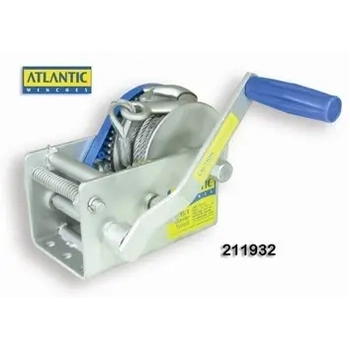
$275.41 $289.90

$303.91 $319.90
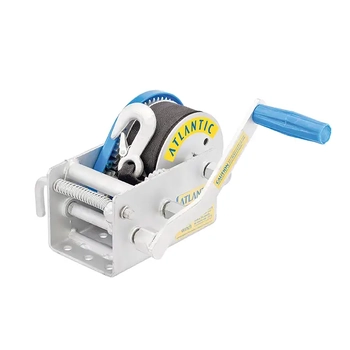
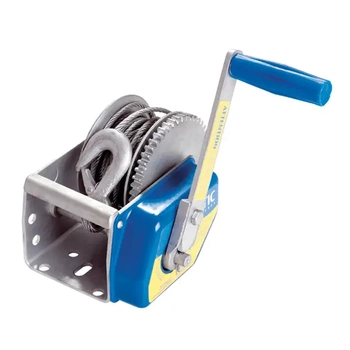
$294.41 $309.90
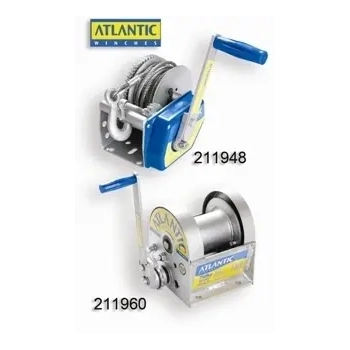
$322.91 $339.90
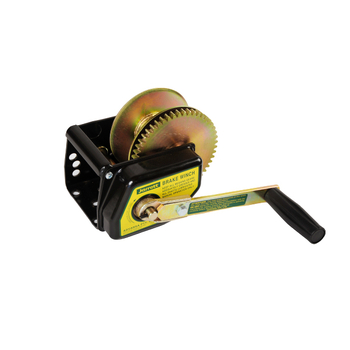
$209.00
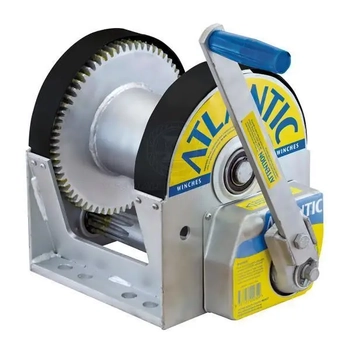
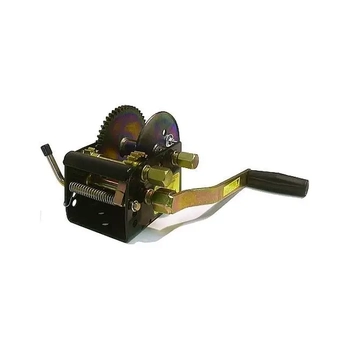
$155.00
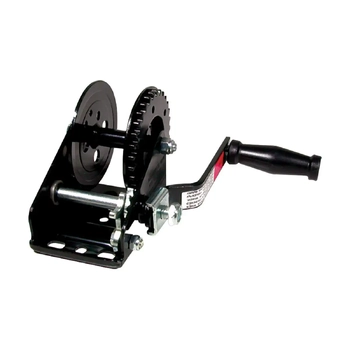
$64.51 $67.90
$123.41 $129.90
$170.91 $179.90
$389.41 $409.90
$1,677.13 $1,729.00
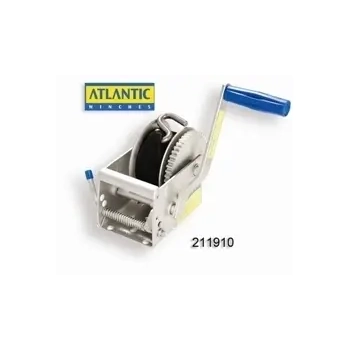
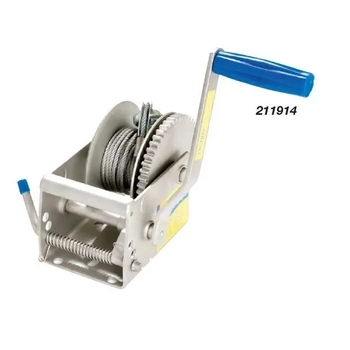
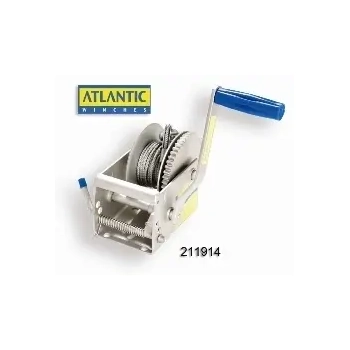
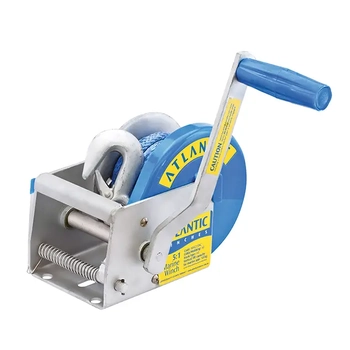
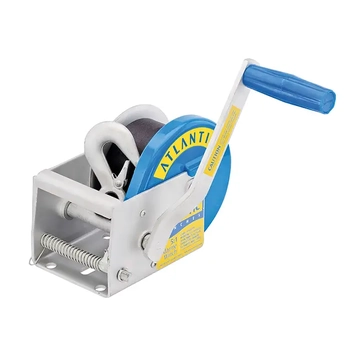
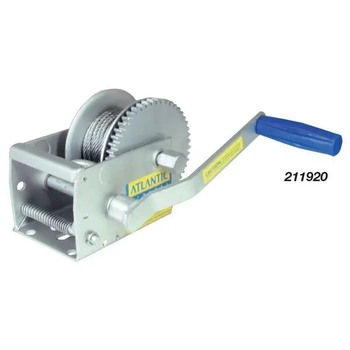
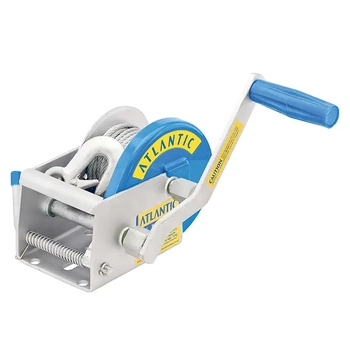
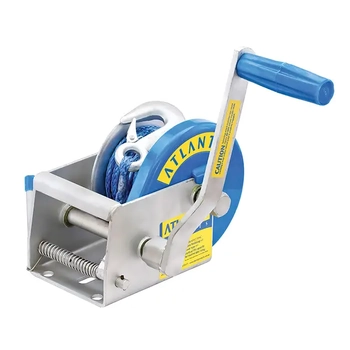
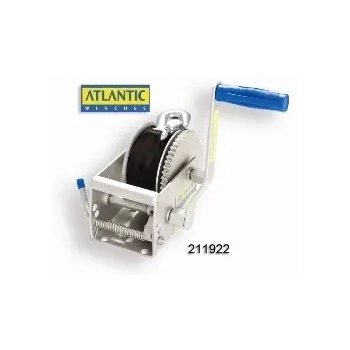
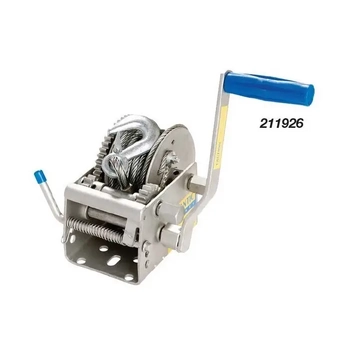
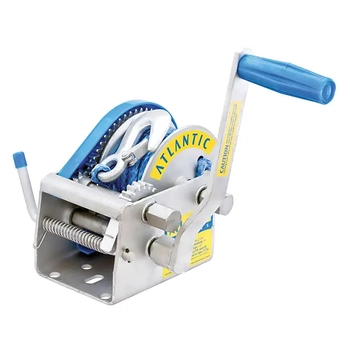
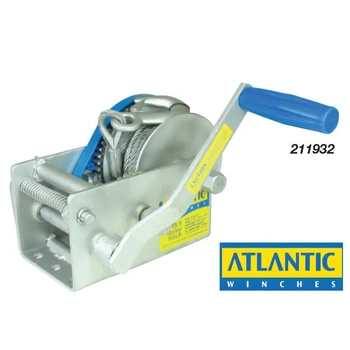
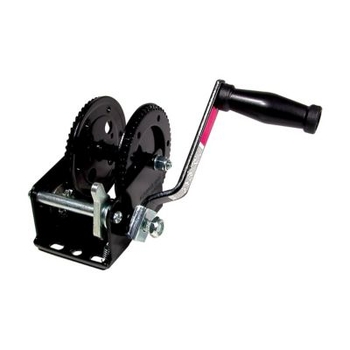
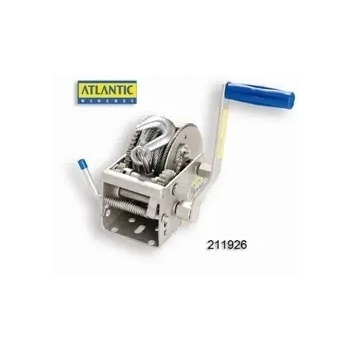
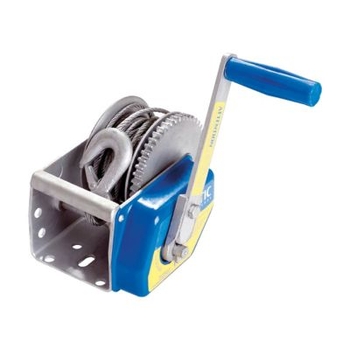
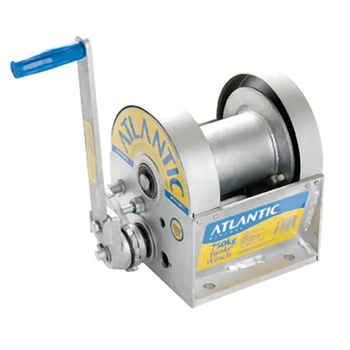
A manual trailer winch should make retrieval controlled without making the operator work against poor roller alignment or a damaged winch post. Before choosing a replacement, check the trailer rollers, bow stop, strap path and how the boat sits on the trailer. A winch that is correctly positioned is easier to operate and inspect.
To make a more informed choice on manual trailer winches, read the Boat Trailer Winch Buying Guide for winch style, strap/cable choice and trailer retrieval setup.
For the wider trailer winch range, compare boat trailer winches and electric trailer winches. For retrieval support, review boat trailer rollers, ratchet transom tie downs and related boat trailer accessories.
A winch that grinds, slips under load or needs constant adjustment is usually telling you something about the rest of the retrieval setup rather than the winch itself. Worn rollers, a bent bow stop or a strap that has lost length can all make a sound winch feel underpowered, so check these parts together rather than replacing the winch in isolation.
A manual winch can suit smaller setups where hand operation is practical and the trailer is correctly aligned.
Sometimes, but check mounting, power requirements, space and the trailer layout before changing winch type.
Trailer roller condition, bow stop position, ramp angle and strap alignment can all affect retrieval.
ABN: 99 423 721 756