
$55.53 $58.45
$2.92 off RRP of $58.45
$55.53 $58.45
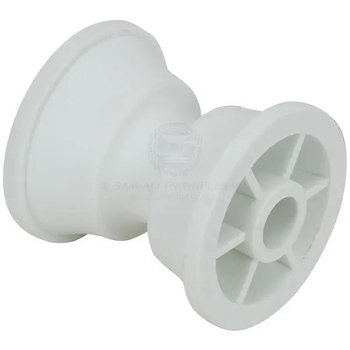
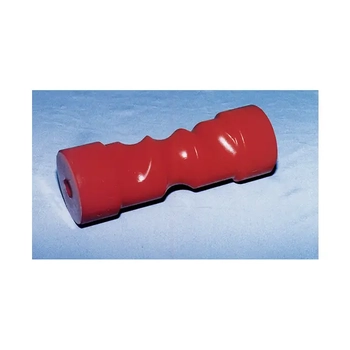
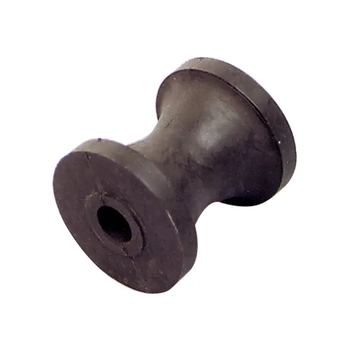
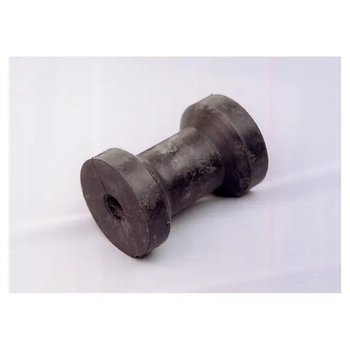
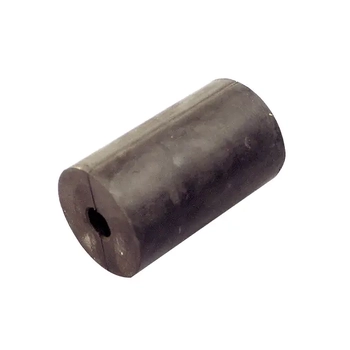
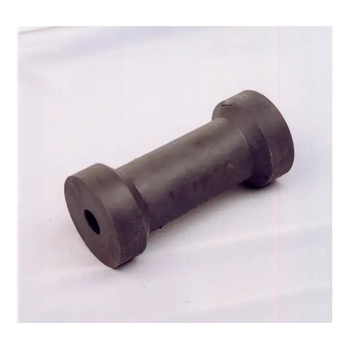
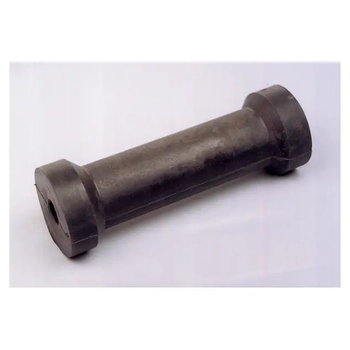
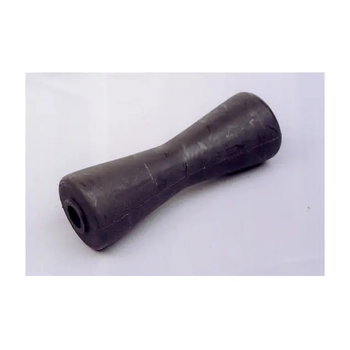
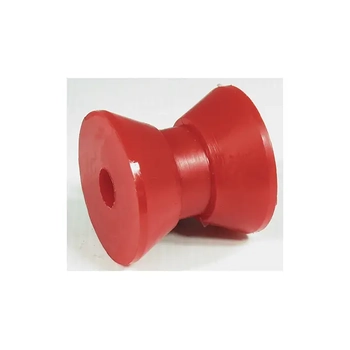
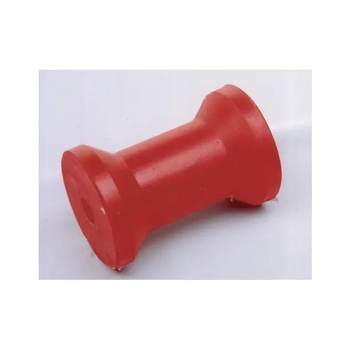
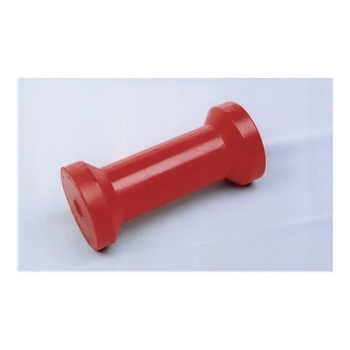
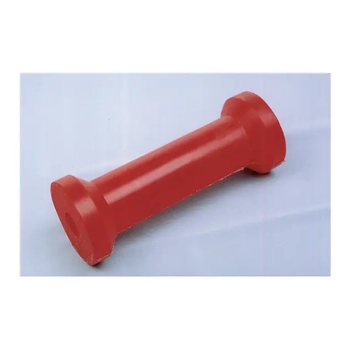
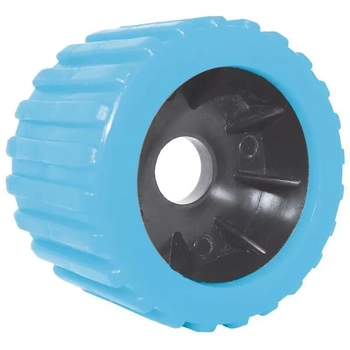
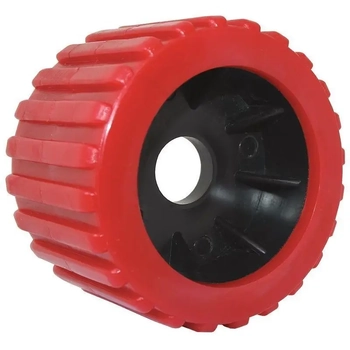
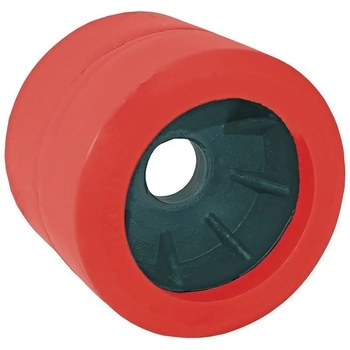
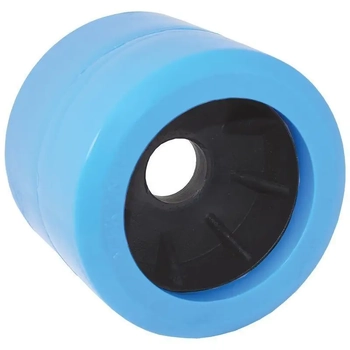
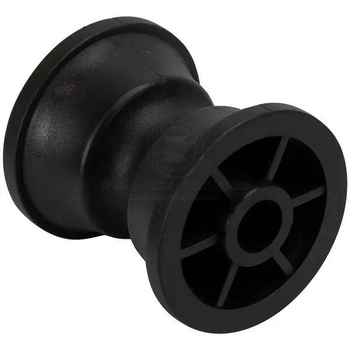
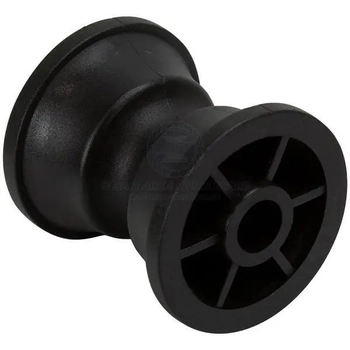
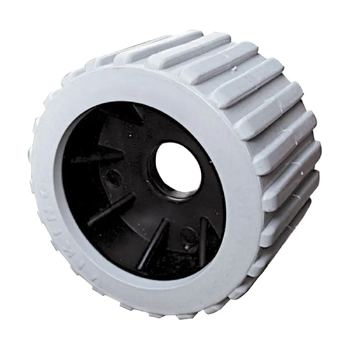
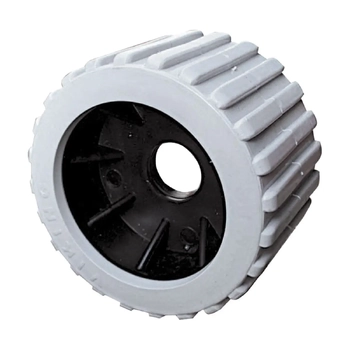
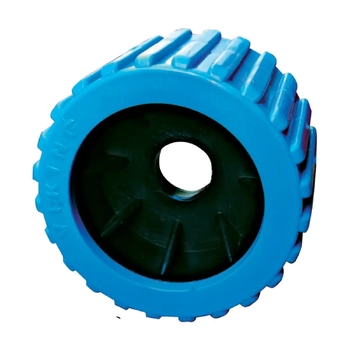
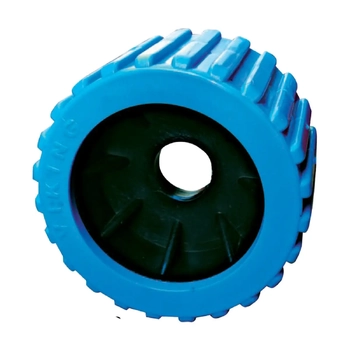
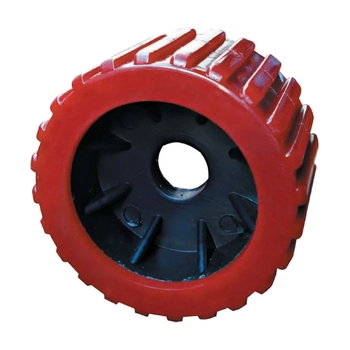
Boat trailer rollers support and guide the hull during launching, retrieval and storage on the trailer. Roller choice depends on the trailer frame, bracket type, shaft size, hull shape and where the boat contacts the trailer. Check dimensions, material and product specifications carefully before replacing rollers or changing the trailer layout. The aim is to match the existing trailer system, not to assume every roller style suits every hull, bracket or launch routine, especially where saltwater ramps and uneven loading are common.
Start by identifying the roller position: keel, bow, wobble or side support. Measure the existing roller width, diameter and bore, then check bracket and spindle compatibility. Material choice should suit the hull contact area and ramp conditions, but no roller can be assumed to fit every trailer or hull. If the original roller is unavailable, use its dimensions as the reference when searching for a compatible replacement rather than selecting by appearance alone.
When you are narrowing down boat trailer rollers, the Boat Trailer Winch Buying Guide gives a practical overview of winch style, strap/cable choice and trailer retrieval setup.
Rollers form part of the whole trailer system. Review broader boat trailer parts, compatible trailer roller brackets, alternative hull support such as trailer skids and securing gear like boat trailer tie downs. If the trailer layout is being changed, consider professional advice so support points suit the hull and trailer design.
Use the existing roller as the starting point. Measure width, outside diameter, bore size and shaft length, then compare the bracket and fastener arrangement. If rollers are worn unevenly, also check whether brackets are bent, pins are seized or the boat is loading unevenly on the trailer. Even minor misalignment in bracket position can cause rollers to wear more quickly than expected.
Trailer rollers can be exposed to salt, sand, ramp grit and pressure from the hull. Rinsing and checking the roller movement can help identify seized parts or damaged brackets. If changing the trailer support layout, get suitable advice so the boat remains properly supported across the intended contact points. Rollers that are stiff or seized may be harder to detect when the boat is loaded than when the trailer is empty.
Flat-spotted, cracked or seized rollers can make trailer maintenance harder and may indicate other worn parts nearby. Check pins, brackets, washers and fasteners at the same time, especially after repeated saltwater launching. Replacement parts should be chosen by measurement and intended use rather than by appearance alone.
Rollers should support the boat in the right places for the hull and trailer design. If there are deep marks, uneven loading or the boat is difficult to retrieve, inspect the wider support system before swapping individual rollers. Related trailer categories can help customers plan a more complete maintenance list without buying parts that do not address the underlying problem.
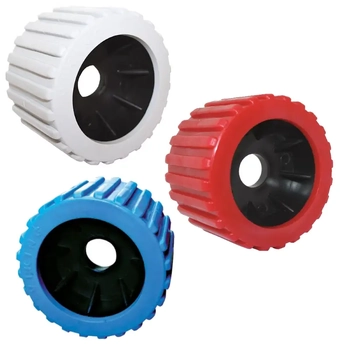
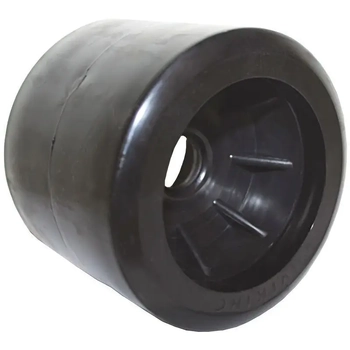
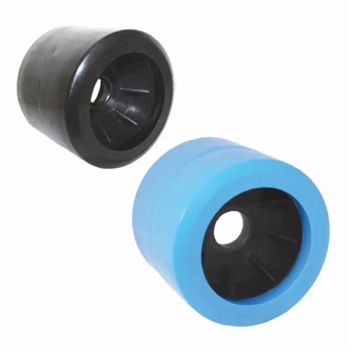
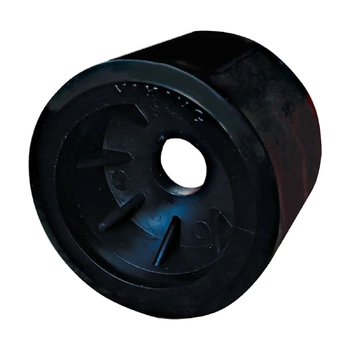
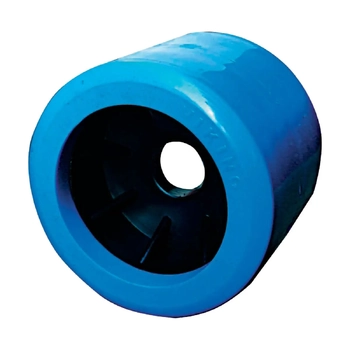
Different roller materials and shapes are used for different contact points. Bow rollers, keel rollers and wobble rollers do not all do the same job, so compare the existing roller location and the way the hull rests on it. If the trailer has multiple worn rollers, plan the replacement list before ordering single parts. Ordering all worn rollers together can reduce the number of separate maintenance sessions and helps maintain a consistent support surface across the trailer.
Before purchasing, check the roller bore, spindle size, bracket spacing and whether washers or pins are worn. If brackets are corroded or bent, replacing only the roller may not solve the issue. Check product specifications and trailer dimensions before purchase, and seek advice where the trailer setup is uncertain.
If the boat no longer centres well, sits unevenly, or the same roller keeps wearing quickly, the wider trailer setup may need review. Roller selection should work with tie downs, skids, brackets and the winch post rather than being treated as a standalone part.
Rollers that move freely before a trip may behave differently after salt, sand or long storage. Check movement by hand where practical and look for cracking or flat spots. Choose replacement parts that match measured dimensions and intended trailer use.
Common options include keel, bow, wobble and side-support rollers, depending on the trailer layout and hull contact points.
Measure the existing roller, bore, bracket and spindle, then compare those details with product specifications.
Suitable rollers can help a trailer function as intended, but performance depends on trailer setup, hull shape and maintenance.
Check brackets, pins and fasteners for wear or corrosion when replacing rollers.
No. Hull shape, trailer design and contact area should be checked before purchase.
ABN: 99 423 721 756