
free shipping*
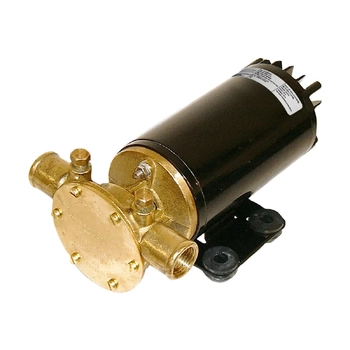
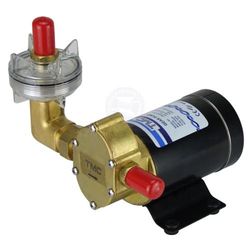
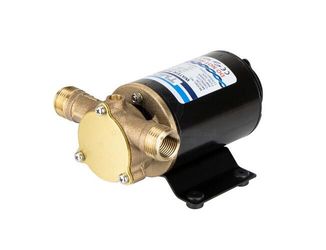
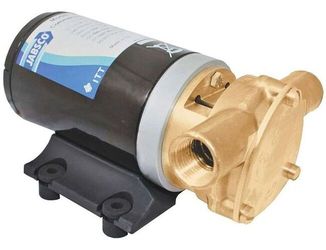
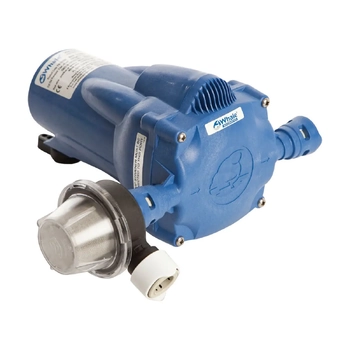
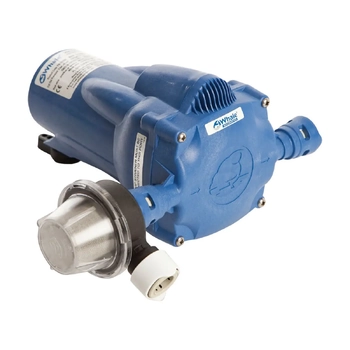
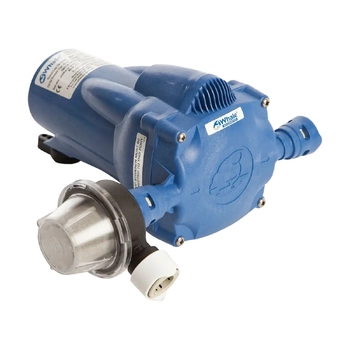
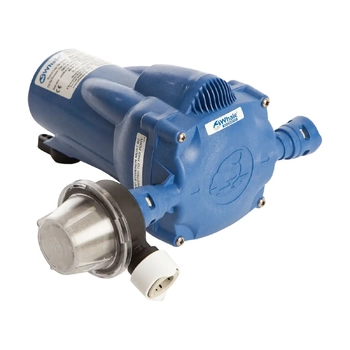
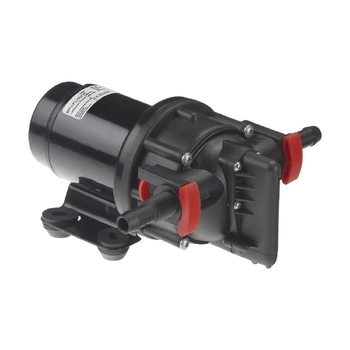
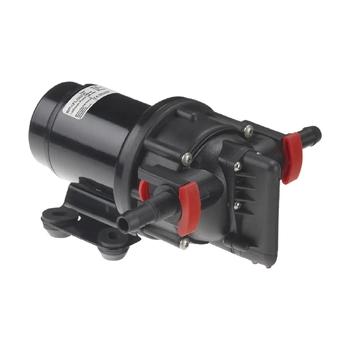
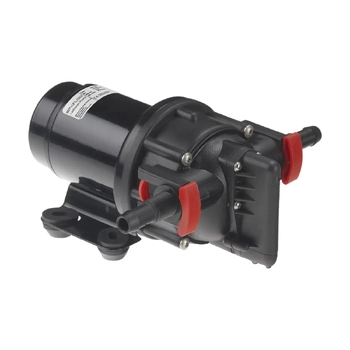
SPX Johnson Pump Pump Flexible Impeller Dc F4B19 24V
SPX Johnson Pump Pump Flexible Impeller Dc F4B19 24V
BLA-132174
$616.55 $649.00
$32.45 off RRP of $649.00
$616.55 $649.00
$616.55 $649.00
$493.05 $519.00
$512.05 $539.00
$512.05 $539.00
$360.91 $379.90
$569.05 $599.00
$730.55 $769.00
$882.55 $929.00
$1,386.13 $1,429.00
$59.76 $62.90
$749.55 $789.00

$721.05 $759.00

$398.91 $419.90
$351.41 $369.90
$398.91 $419.90
$351.41 $369.90
$389.41 $409.90
$351.41 $369.90
$142.41 $149.90
$81.61 $85.90

$256.41 $269.90
$256.41 $269.90
$303.91 $319.90
$303.91 $319.90
$493.05 $519.00
Marine pumps cover a wide range of onboard jobs bilge water removal, freshwater supply, washdown, waste handling and fluid transfer but each pump type is built for a specific purpose. Choosing correctly depends on the fluid being moved, the system purpose, flow rate, pressure, voltage, duty cycle, mounting space and hose connections. This category helps boat owners identify the right pump sub-category before comparing products, rather than assuming one pump suits every system. Consider the whole system layout before selecting a replacement or upgrade.
Boat pumps are used in many different systems, and the key distinction between them is what they are designed to move and how the system operates. A bilge pump handles water that has collected in the hull; a freshwater pump pressurises the cabin water supply; a washdown pump delivers higher-pressure water for deck rinsing; a waste pump handles sanitation-system discharge. Using a pump outside its intended application can affect reliability and, in some cases, safety.
Start by identifying the exact job the pump needs to do, the fluid type, the flow and pressure requirements, and the voltage and duty cycle that suit the system before comparing products.
For water collecting in the hull, browse bilge pumps and check capacity, switching type and installation guidance. For rinsing decks, gear or the boat exterior, deck wash pump kits may suit suitable washdown layouts. Cabin and galley systems may need freshwater pumps designed for domestic water supply, while sanitation systems require waste pumps rated for that purpose. Do not assume one pump can safely handle every fluid or duty cycle.
Check product specifications for voltage, flow rate, pressure, port size and duty cycle. Hose diameter, fittings, wire run length, mounting orientation and access for servicing can all affect whether a pump suits a particular vessel and installation. A pump with more flow than the hose diameter can handle will not perform better the whole system needs to be sized consistently.
For electrical, pressurised or sanitation-related pump systems, follow manufacturer instructions and use a qualified installer where required. Bilge pumps, in particular, may need switching, wiring and automatic float switch setup checked by someone with appropriate knowledge of the vessel's electrical system.
When replacing an existing pump, note the current model, port size, wiring arrangement, fuse or circuit breaker size, and how the pump sits in the system inline, submersible or mounted externally. Compare the existing pump's specifications with the replacement before ordering to avoid incompatible port sizes or wiring differences. If the pump failed, check why whether the cause was age, blockage, wiring fault, plumbing restriction or simply the wrong pump type for the application. That context helps guide a more suitable replacement.
For new installations, plan the full pump layout before ordering flow path, hose routing, mounting location, switch or float arrangement and access for servicing. Pumps used in safety-related applications such as bilge pumping should be installed with appropriate care and tested before use. Check what accessories are included with the pump and what may need to be purchased separately, including strainers, hose tails, mounting hardware and fittings.
Common types include bilge pumps, freshwater pumps, washdown pumps, waste pumps and transfer pumps. Each is designed for a different system and fluid type check the intended application before choosing.
Start with the fluid, job, voltage, flow rate, pressure requirements, hose size, duty cycle, mounting space and product specifications. Match the pump to the specific system rather than choosing by size or brand alone.
Bilge pumps move water that collects in the hull; freshwater pumps supply potable water to outlets; waste pumps handle sanitation discharge. These are different products for different applications do not interchange them without confirming product suitability.
Yes. Port size, hose diameter, fittings and system plumbing layout should all be compatible with the pump's specifications. An oversized pump connected to undersized hose will not perform as expected and may create system problems.
Use a qualified installer where required for electrical connections, pressurised systems, sanitation plumbing or safety-related bilge applications. Follow manufacturer guidance for wiring, switching, mounting and any fuse or circuit protection requirements.
ABN: 99 423 721 756