
$9.49 off RRP of $189.90

$2,218.97 $2,287.60
$1,875.59 $1,933.60
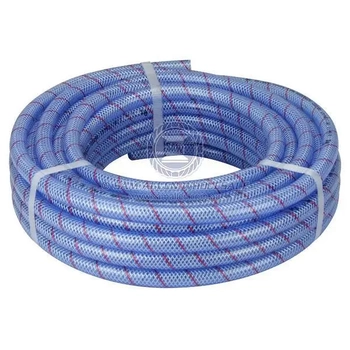
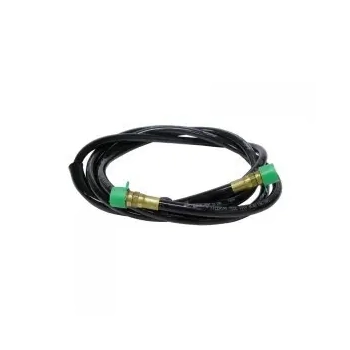
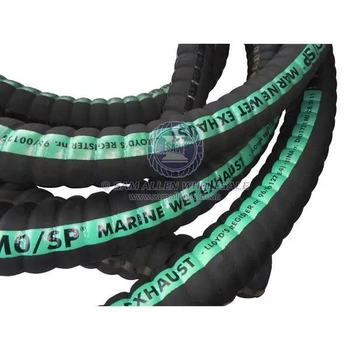
Connect water, waste and deck-wash systems with marine hose fittings selected for size, layout and service access.
Marine hose fittings help join hose runs to pumps, tanks, strainers, taps, outlets and through-hull plumbing. The right fitting is usually chosen by matching hose inside diameter, thread type, barb size and the space available around the installation point. Before replacing a fitting, check the existing hose route, clamp position and whether the connection needs a straight, elbow or reducing layout.
Not sure how marine hose fittings fits with the rest of your boat? The Boat Water Tank and Plumbing Guide explains tank size, pump layout, fittings and onboard water-use needs.
For broader plumbing jobs, it is worth checking related plumbing accessories, marine valves and skin fittings at the same time so the whole hose run is compatible.
Hose fittings are used across freshwater supply, bilge discharge, livewell plumbing, wash-down systems and toilet plumbing. For pump installations, allow enough hose length to avoid tight bends and make sure fittings can be inspected after installation. If the job involves strainers, tanks or deck wash equipment, confirm both hose diameter and flow direction before ordering.
For system-level jobs, compare fittings with related marine pumps and filters and strainers so the connection points suit the rest of the setup.
Match the hose inside diameter, thread type and fitting shape to the existing plumbing run. Also check whether the fitting needs to work with a pump, tank, valve, strainer or skin fitting.
It is sensible to inspect clamps when changing fittings, especially if they show corrosion, distortion or worn screw heads. Use clamp styles suitable for the hose and installation area.
No. Hose fittings can be used across freshwater, deck wash, waste and other onboard plumbing setups, provided the size and material suit the specific job.
ABN: 99 423 721 756