
Marine Fuel Filters
Filters
Filters
Show Filters
(165 Results)
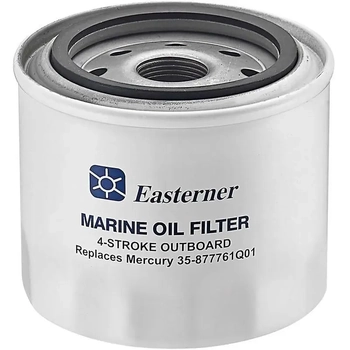
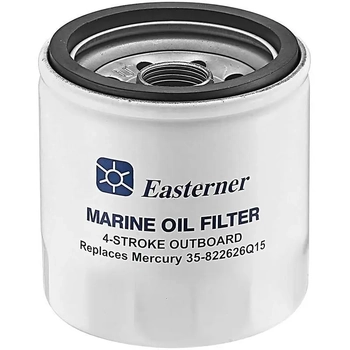
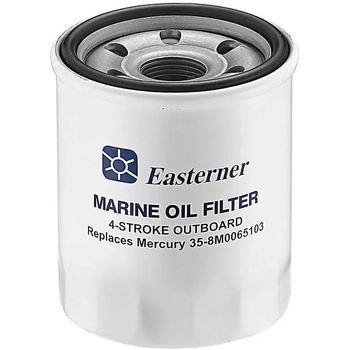
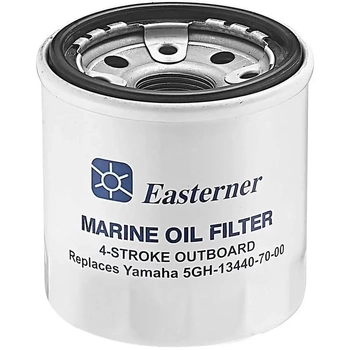
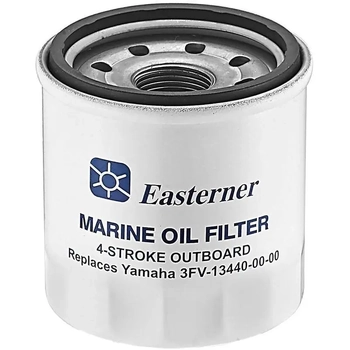
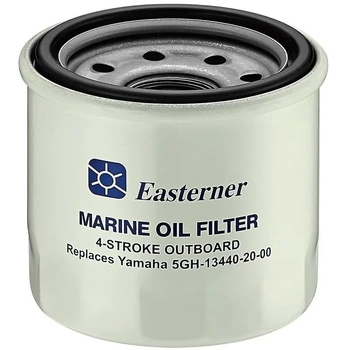

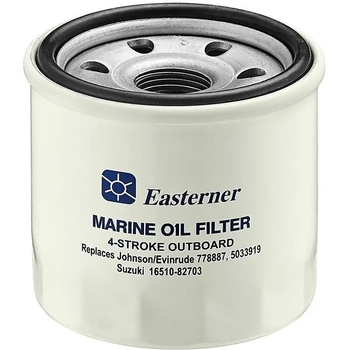
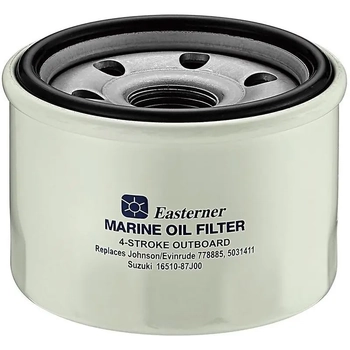
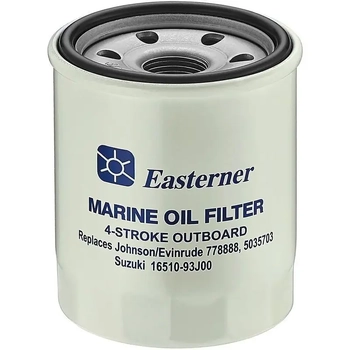

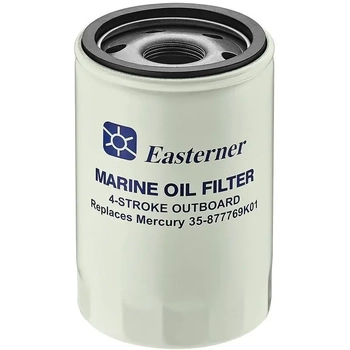
$8.25 off RRP of $110.00

$5.47 off RRP of $73.00
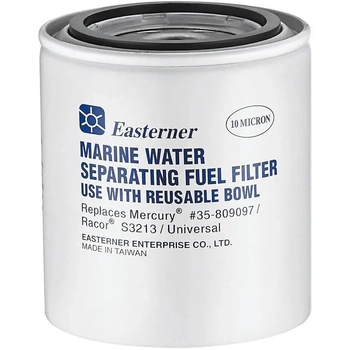
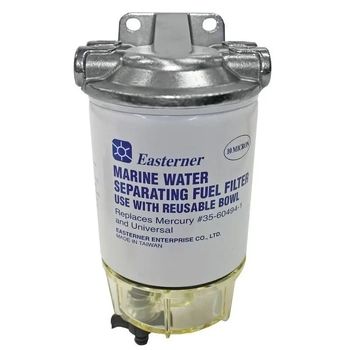
$14.85 off RRP of $198.00
$7.57 off RRP of $101.00
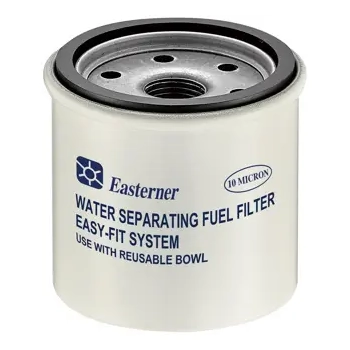
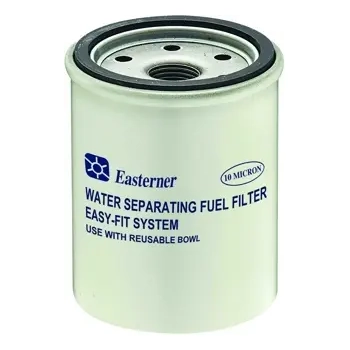
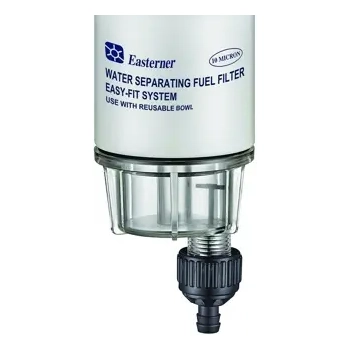
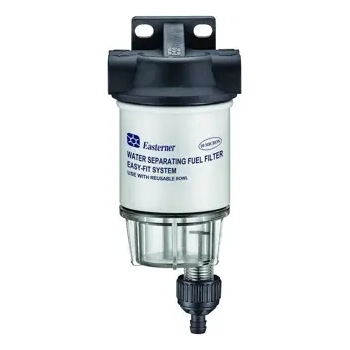
$65.46 $68.90
$3.44 off RRP of $68.90


$6.99 off RRP of $139.90
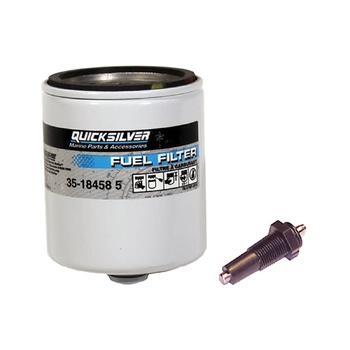
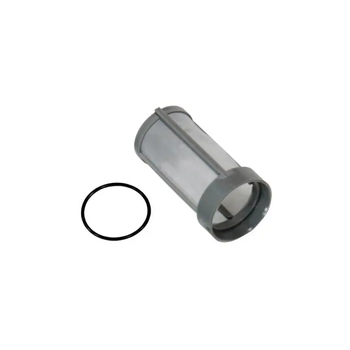
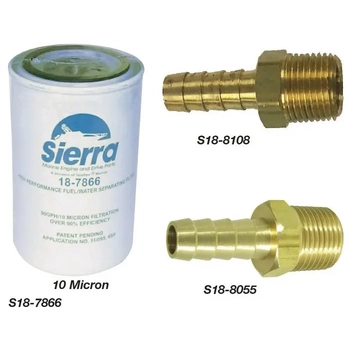
Marine fuel filters sit in the fuel line between the tank and the engine to catch water, debris and contamination before they reach the carburettor, injectors or fuel pump. The right filter depends on fuel type, engine requirements, connection size, filter style and service access. Regular filter inspection and replacement is part of standard engine maintenance on both outboard and inboard setups contaminated fuel is a common cause of starting and running problems on marine engines used in Australian conditions. This range covers inline, water-separating and replaceable-element fuel filters for petrol and diesel marine applications.
Types of Marine Fuel Filter
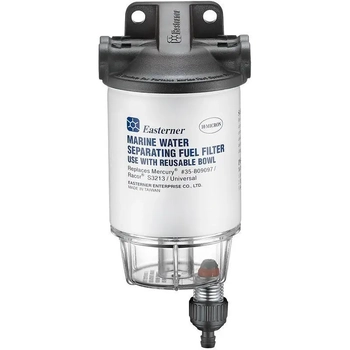
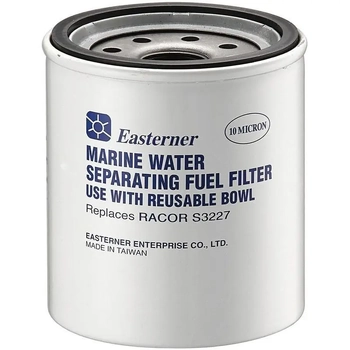
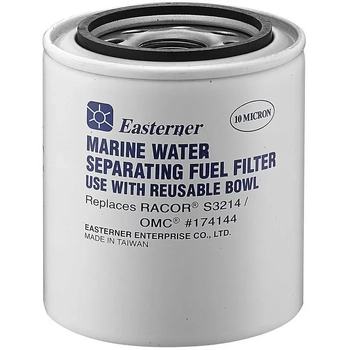
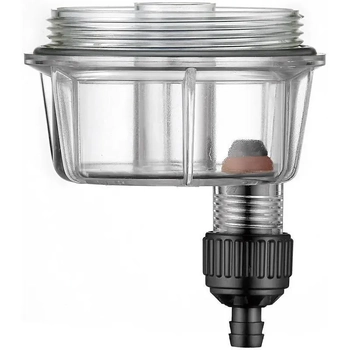
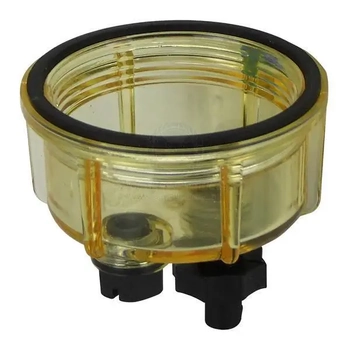
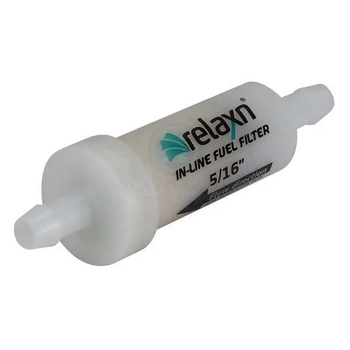
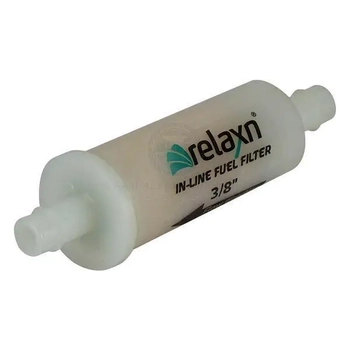
Inline filters are compact and typically suited to outboard and smaller inboard applications where space is limited and the primary concern is debris. Water-separating filters add a bowl that collects and holds any water that has entered the fuel system, allowing it to be drained before it reaches the engine. Spin-on or replaceable-element filters are used in more demanding applications and allow the filter medium to be replaced at service intervals without changing the filter body.
Customers reviewing marine fuel filters can use the Marine Engine Oil Buying Guide to compare oil grade, product label and engine manufacturer guidance.
For outboard engines, a water-separating filter between the tank and the engine can be a useful addition, particularly on older fuel systems or where fuel quality is variable. For inboard and diesel engines, follow the engine manufacturer's fuel filter specification and service interval guidance. For the broader fuel system context, browse marine fuel tanks and accessories.
Choosing the Right Filter
The most important specifications are fuel type compatibility (petrol or diesel) and the connection or hose diameter that matches your fuel line. Filters with incorrect connection sizes may appear similar but will not fit without modifications to the fuel line. Element micron rating and flow capacity also vary between products check the product specifications and your engine manufacturer's guidance to confirm the appropriate filter for your application.
Service access matters as much as the filter itself. A filter mounted where it is difficult to reach, drain or replace will be harder to maintain on schedule. Where possible, mount water-separating filters where the bowl is visible and accessible without removing other components.
Replacement Intervals and Service Notes
Filter replacement intervals depend on the engine manufacturer's recommendations, fuel quality and operating conditions. Water-separating filter bowls should be checked regularly particularly after extended storage, after using unfamiliar fuel sources and before longer trips. When replacing filters, also inspect hoses, clamps and fittings near the filter for wear, cracking or fuel weeping. For related fuel system servicing, also consider marine fuel gauges and senders as part of the same service check.
Where fuel system access is involved, follow product installation instructions and use a qualified marine technician where required by the installation.
Marine Fuel Filters FAQ
What does a marine fuel filter do?
A marine fuel filter catches water, debris and contamination in the fuel line before they reach the engine. Regular filter servicing helps keep fuel delivery consistent and reduces the risk of contamination-related engine problems.
What is a water-separating fuel filter and when is it useful?
A water-separating filter includes a bowl that collects water from the fuel stream so it can be drained rather than passed to the engine. It can be a useful addition to outboard and inboard fuel systems, particularly where fuel quality is variable or the system has been in storage. Suitability depends on the engine type and fuel system layout check product specifications before installing.
How do I choose the right marine fuel filter?
Confirm the fuel type (petrol or diesel), hose or connection diameter, filter style and the engine manufacturer's filter specification. Check that the micron rating and flow capacity suit your engine, and follow the engine manual for any specific filter requirements.
How often should marine fuel filters be replaced?
Follow the engine manufacturer's recommended service intervals as a minimum. Inspect the filter bowl more frequently if fuel quality is uncertain, after extended storage or before longer passages. Replace the filter element if it is visually dirty, the engine performance changes or the manufacturer's interval has passed.
Should I check hoses and fittings when replacing fuel filters?
Yes inspecting hoses, clamps and fittings while the fuel system is already accessible is sensible practice. Cracking, hardening or fuel weeping around connections may indicate parts that need attention alongside the filter replacement.
read more