


$892.05 $939.00
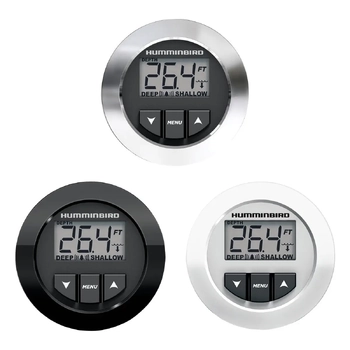
$559.55 $589.00

$93.96 $98.90
$89.21 $93.90
$199.41 $209.90
$284.91 $299.90
$227.91 $239.90

$1,609.23 $1,659.00
$1,609.23 $1,659.00

$1,027.23 $1,059.00
$759.05 $799.00
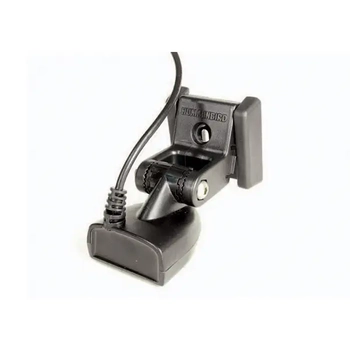
$436.91 $459.90
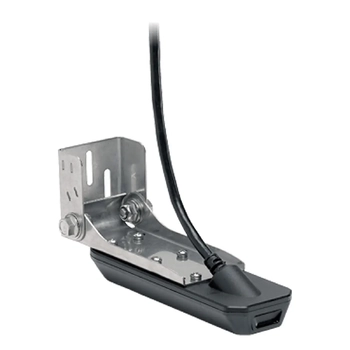
$645.05 $679.00
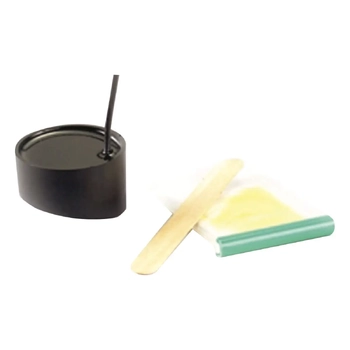
$341.91 $359.90
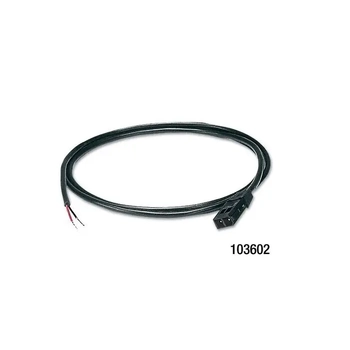
$151.91 $159.90
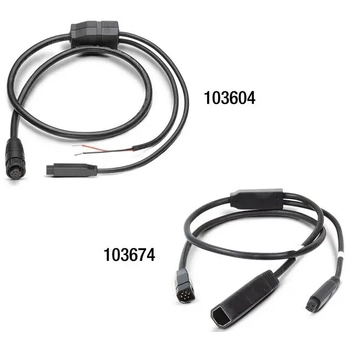
$84.46 $88.90
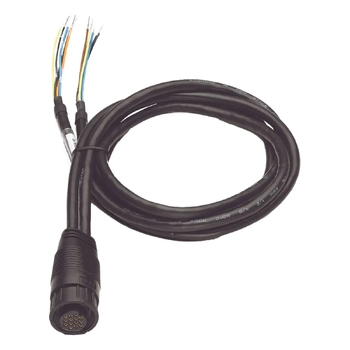
$227.91 $239.90
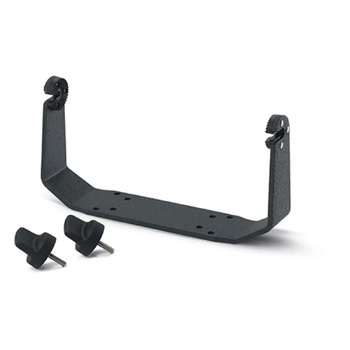
$142.41 $149.90
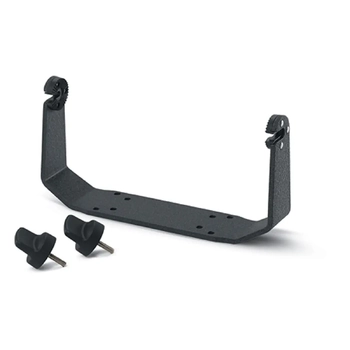
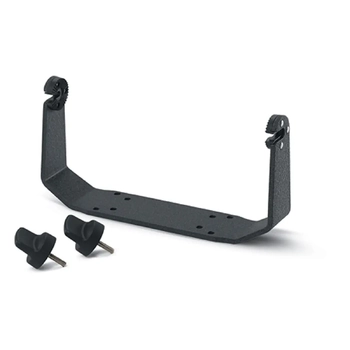
$227.91 $239.90
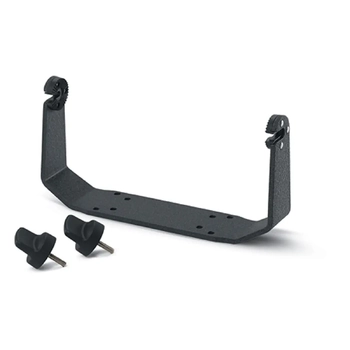
$227.91 $239.90
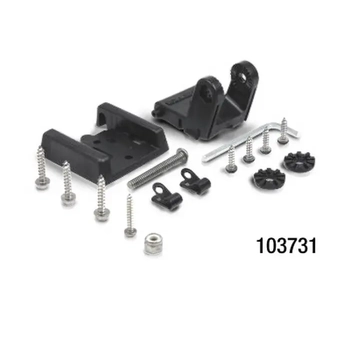
$151.91 $159.90
Marine electronics cover the navigation, communication and monitoring systems used on Australian boats from simple instrument displays and handheld GPS units through to connected layouts with chartplotters, radar, AIS and engine data. The right setup depends on vessel size, power supply, mounting space, screen location, networking needs and the conditions you boat in. Always check product specifications and manufacturer guidance before purchase, particularly when adding equipment to an existing system, and use a qualified installer where wiring, networking or safety-critical equipment is involved.
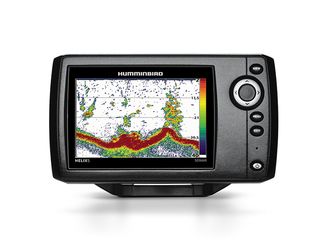
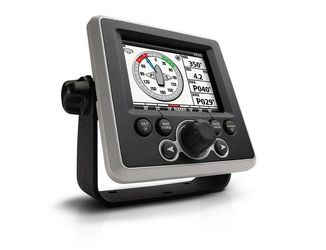
Marine electronics is a broad category that connects equipment for navigation, vessel monitoring, communication and awareness. The main product groups include GPS chartplotters, radar units, instrument displays, sounders, VHF radios, AIS transponders, autopilots and entertainment systems. Some boats carry only a basic GPS and instrument display; others have fully integrated layouts where all systems share data across a common network.
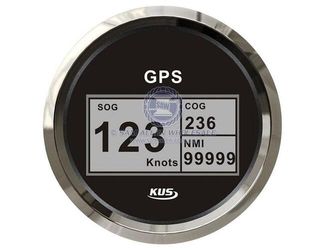
For route planning, chart reading and position tracking, compare marine navigation gear alongside electronics categories. For vessel data depth, speed, wind, engine information browse marine instruments. For active surveillance of traffic and coastline in difficult conditions, marine radar is the relevant sub-category.
Understanding which category covers the product you need can save time when browsing:
Think practically about where each unit will mount and whether it can be seen and operated comfortably from the helm. Consider voltage requirements, waterproof rating, screen brightness for Australian sun conditions, network compatibility and whether additional hardware transducers, antennas, mounting brackets is included or needs to be purchased separately.
Vessel type and use case matter. A trailerable fishing boat has different priorities to a coastal cruiser or an offshore passage-maker. Fishing setups often prioritise sonar depth and waypoints; cruising boats may need larger networked displays; offshore use typically requires a more comprehensive electronics plan that includes backup navigation options.
Electronics installation can involve power cabling, fusing, antenna routing, transducer placement, software configuration and network setup. Do not assume that different brands or generations of equipment will connect together without confirming network standards, cable types and software compatibility. For connected or safety-related systems, use a qualified marine electrician or installer. Check power supply capacity before adding multiple units to an existing electrical system.
Plan the layout before cutting panels or running cables. Consider cable management, service access and whether the installed position will remain practical over the life of the boat. Marine electronics can make navigation easier, but they work best as part of a considered system rather than an accumulation of mismatched parts.
Modern marine electronics are increasingly designed to share data across a vessel network. A chartplotter may receive depth from a sounder transducer, wind data from a masthead unit and engine information from an NMEA interface but only when every link in the system is compatible. Before purchasing, map out the equipment already fitted, available power sources, panel space and cable routes. Check whether new equipment uses the same network standard as existing units. Manufacturer documentation and, where needed, advice from a qualified installer are the most reliable planning resources.
Australian boating exposes electronics to high UV, salt air, heat and spray. Check waterproof ratings carefully an IPX6 or IPX7 rating covers splash or immersion resistance; some equipment mounted in direct sun or spray zones needs higher protection. Screen readability in bright sunlight is also a practical Australian concern; check nit ratings and whether anti-glare coatings are included. A display that looks good in a brochure but is hard to read in afternoon glare is not a useful navigation tool.
Marine electronics covers GPS chartplotters, radar, instruments, sounders, VHF radios, AIS transponders, autopilots and monitoring displays. The correct sub-category depends on what the product does navigation display, vessel monitoring, communication or awareness support.
Consider vessel size, mounting space, power supply, screen readability in Australian sun, networking needs and the type of boating you do. Check product specifications for waterproof rating, voltage, compatibility and whether additional hardware is required before purchase.
Some equipment can be networked, but compatibility depends on network standards, cable types and software. Never assume two products will connect because they are from the same brand check manufacturer documentation and confirm compatibility before buying.
For networked, wired or safety-critical systems, using a qualified marine electrician or installer is strongly advisable. Follow manufacturer instructions for all wiring, fusing, transducer placement and software configuration.
Marine navigation gear, instruments, GPS chartplotters and radar are useful related categories when planning an electronics setup. Compare the specific product type needed rather than browsing broadly each category covers distinct equipment with different functions.
ABN: 99 423 721 756