
$17.99 off RRP of $359.90
AAA
(4)
Attwood
(1)
BEP
(122)
BLA
(95)
Blue Sea Systems
(108)
Dometic
(1)
Easterner
(1)
Eclectic Energy
(2)
Humminbird
(1)
Lewmar
(7)
Marinco
(33)
Marine Town
(2)
Mastervolt
(41)
Narva
(2)
Perko
(4)
ProMariner
(1)
Relaxn
(5)
Roca
(9)
Rule
(5)
RWB
(119)
SAW
(206)
Shields
(4)
Sierra
(10)
SPX Johnson Pump
(2)
Star Brite
(3)
TMC
(3)
Trem
(1)
$27.90
$142.41 $149.90
Marine electrical equipment sits at the centre of reliable boat power, switching and accessory control. Whether you are replacing a worn part, adding lighting, tidying a panel or planning a small onboard power upgrade, starting with the right category and checking electrical requirements before buying can save significant time. This range covers the main boat electrical areas including wiring, switches, batteries, connectors, fuses and circuit protection. For anything involving load ratings, cable sizing or new installation work, check product specifications carefully and use a qualified installer where required before beginning any electrical work on the vessel.
Boat electrical projects vary from a simple accessory replacement to more involved work around power distribution, lighting, charging or switching. Start by identifying the job: replacing damaged cable, adding a switch, protecting a circuit, connecting accessories or supporting the battery system. Each task has different requirements, so product choice should be based on voltage, current rating, environment and manufacturer guidance rather than appearance alone.
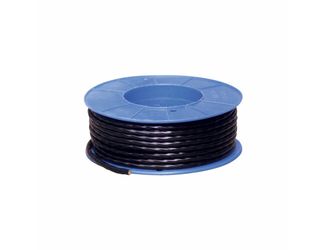
For cable runs and repairs, review marine electrical wire with the intended current load, run length and routing conditions in mind. Selecting the wrong gauge or insulation type can create problems even when the circuit looks correct on the surface.
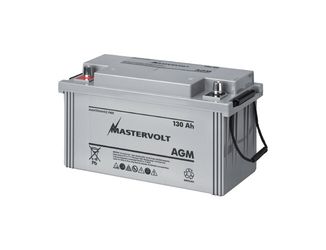
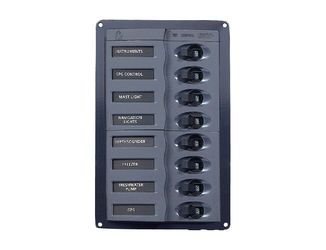
Different electrical jobs draw on different parts of this category. If the project involves lights, pumps or cabin accessories, marine switches provide control points while circuit protection parts handles fuse and breaker selection. Power storage and charging projects should also review marine batteries, alongside charger, solar or battery-isolation requirements that may affect the rest of the electrical system design.
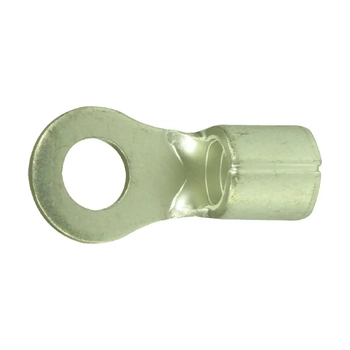
Connector and socket requirements often arise alongside wiring projects. Confirm that plugs, sockets and terminals are rated for the circuit voltage, current and environment before ordering similar-looking connectors can have significantly different electrical ratings.
A reliable boat electrical system links the right wire size, correct protection and appropriate switching for each circuit. Undersized wire, incorrect fuse ratings or poor-quality terminations are common causes of intermittent faults on older boats. When planning any electrical work, map the circuit from the supply source through protection, switching and cable run to the load before selecting individual components.
Circuit protection should always be sized for the wire, not just the connected load. A fuse that is too large for the cable provides inadequate protection even if the load is smaller than the fuse rating. Follow manufacturer guidance and use a qualified marine electrician where system design, load calculations or new circuits are involved.
Modern boats often have multiple charging sources engine alternator, solar panels, shore power or a combination each placing different demands on the battery bank and wiring. Before adding equipment to an existing electrical system, check the available battery capacity, alternator output, cable condition and whether the distribution panel can handle the additional load.
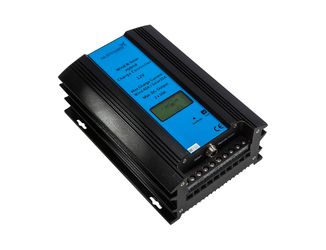
For projects that include solar charging, confirm that the panel, charge controller, wiring and battery type are compatible before purchasing any component. Adding a solar panel to an existing battery system without checking the regulator and wiring requirements can cause charging problems or reduce battery life.
Good electrical buying decisions come from matching the part to the task rather than choosing by appearance alone. Panels, switches, sockets and wires may look similar across brands and sizes, but small differences in rating, terminals, mounting depth and environment can matter significantly in a marine installation. Use this category as a starting point for narrowing the electrical job before checking the individual product specifications.
Start with the job: wiring, switching, battery support, circuit protection or accessory connection. Check voltage, current rating, mounting location and manufacturer specifications before buying. Different jobs draw on different parts of the category.
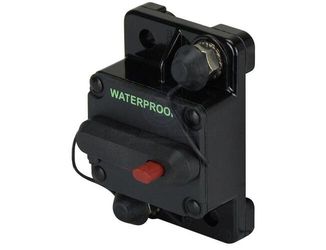
Switches control a circuit; fuses and circuit breakers protect a circuit when correctly rated for the cable and load. The protection rating should match the wire, not just the accessory. Use product specifications and qualified installer guidance where the system design involves multiple circuits.
Check cable gauge, insulation type, current capacity, routing environment, voltage and run length. The correct choice depends on the circuit load and vessel setup undersized wire can cause heat build-up and faults even with a correctly rated fuse in the circuit.
Use a qualified installer for new circuits, uncertain wiring, battery changes, charging system upgrades or any work where system design, load calculations or safety are involved. Marine electrical work can have consequences beyond a single circuit if done incorrectly.
Some products are designed for more exposed marine locations, but suitability depends on the product specification, mounting area and protection from water, impact and corrosion. Check the product's IP or exposure rating rather than assuming marine labelling makes it suitable for every location.
ABN: 99 423 721 756