
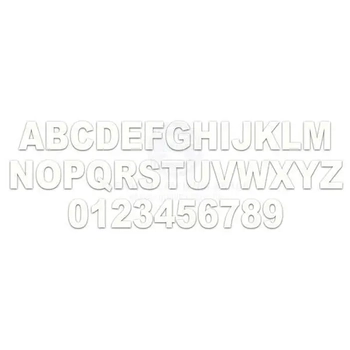
Boat Registration Numbers
Filters
Show Filters
(576 Results)
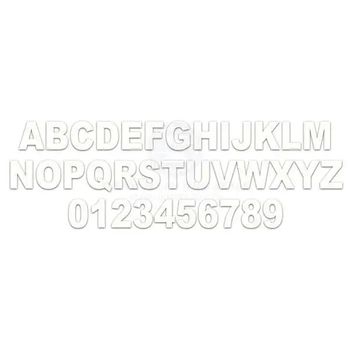
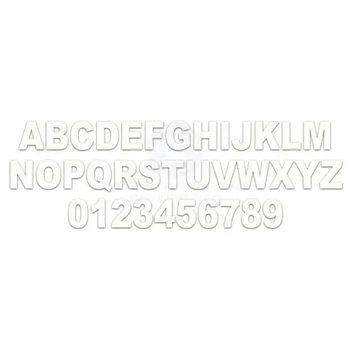
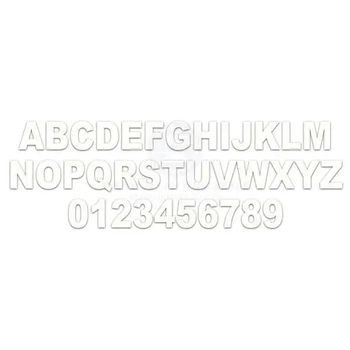
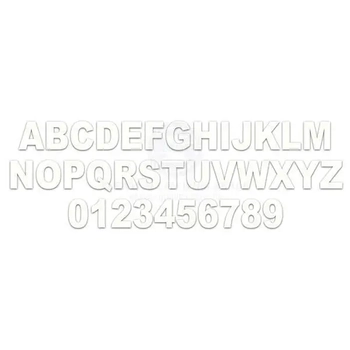
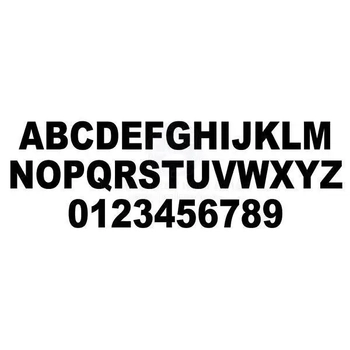
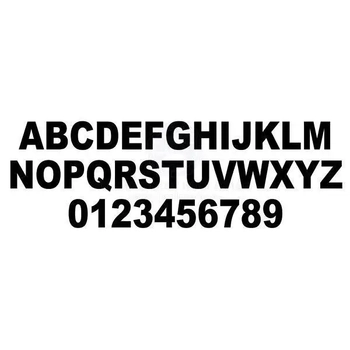
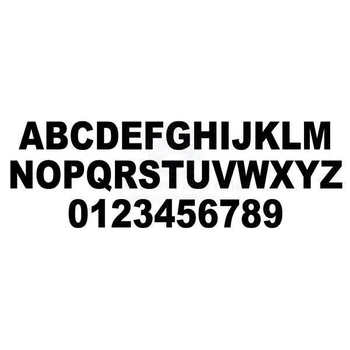
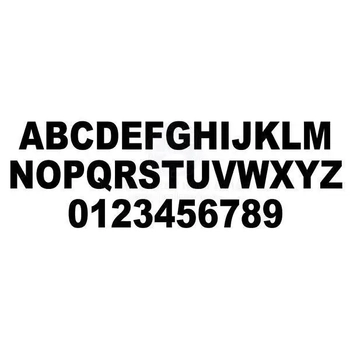
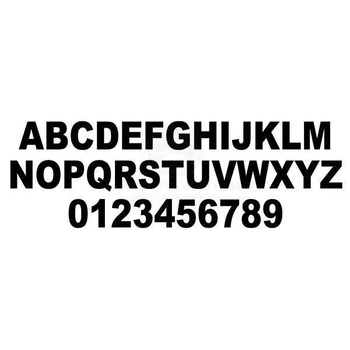
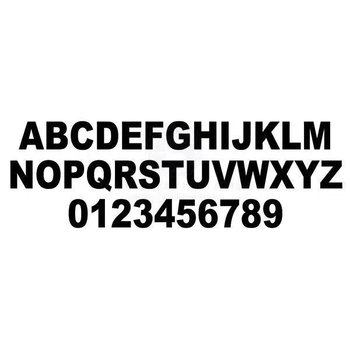
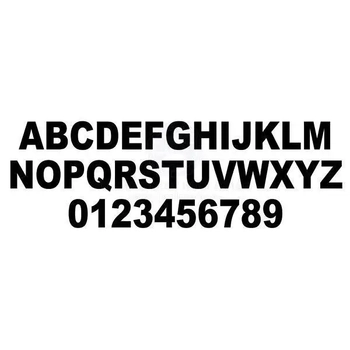
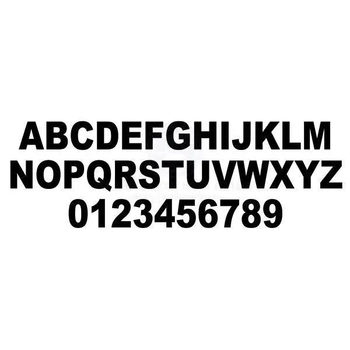
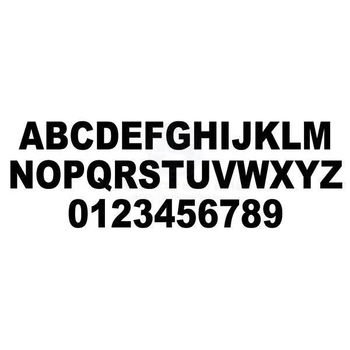
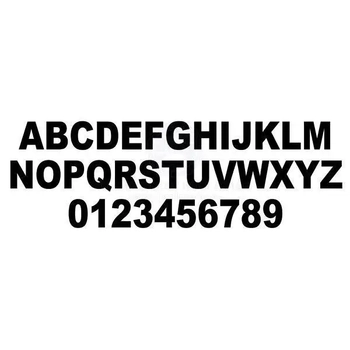
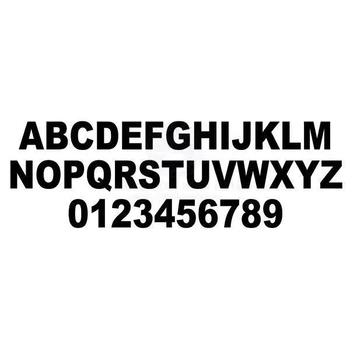
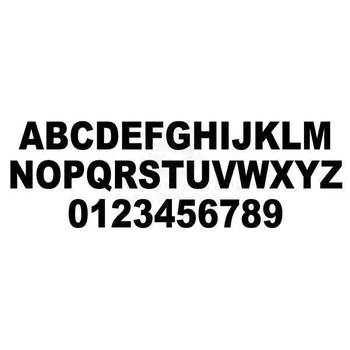
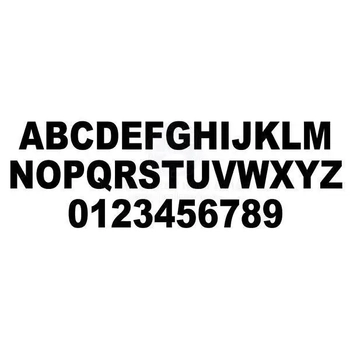
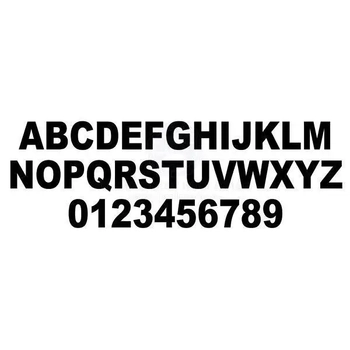
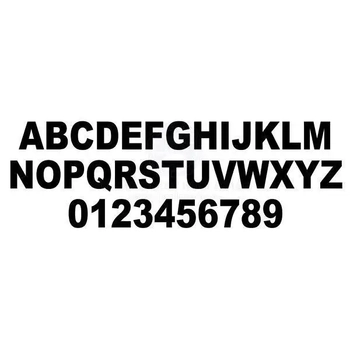
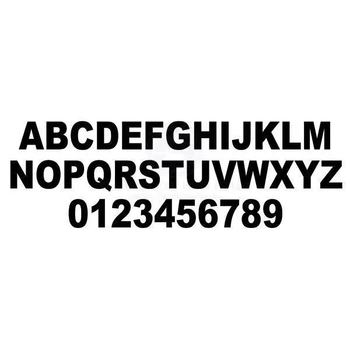
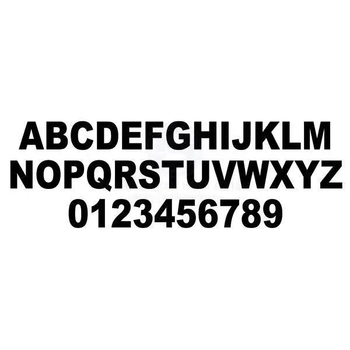
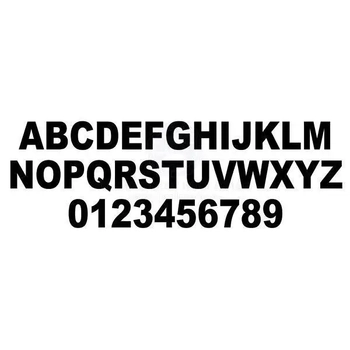
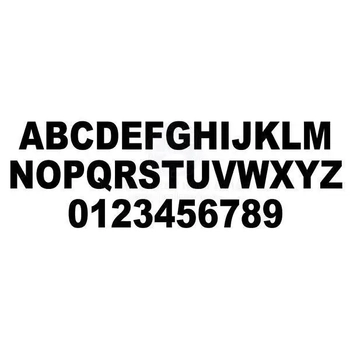
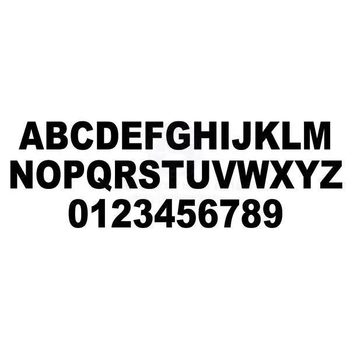
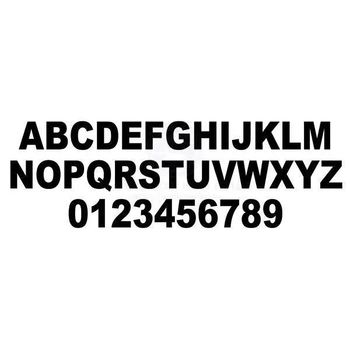
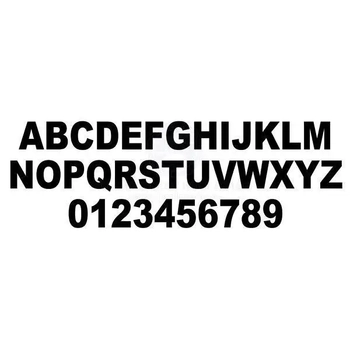
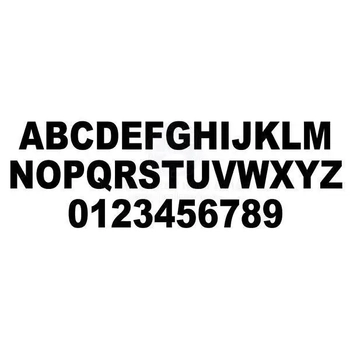
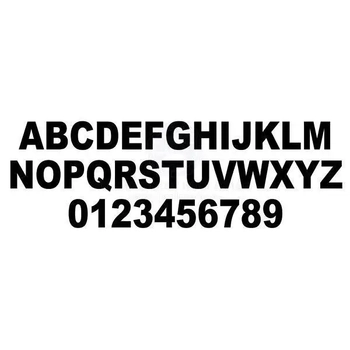
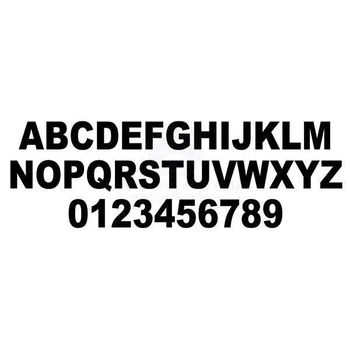
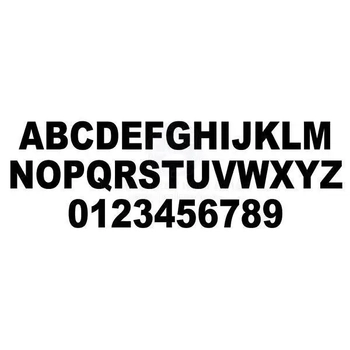
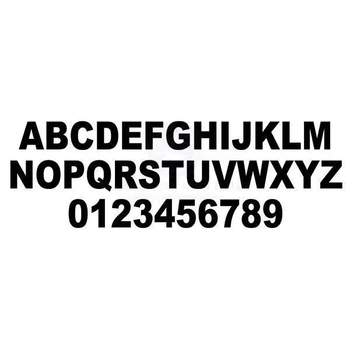
Boat registration numbers and letters are used to display vessel identification clearly on the hull or another approved location, as required by registration and display rules in Australian states and territories. They are commonly purchased for new registrations, replacement of faded or damaged markings, re-registration after a hull repair or repaint, or updating older non-compliant displays. Before ordering, check the character size, font, colour contrast, placement, spacing and any side-of-hull requirements that apply in your state or territory and follow the current rules for your vessel type.
What Boat Registration Numbers Are
In Australia, recreational vessels that require registration must display their registration number or identifier in a specified location, format and size. The exact rules including character height, font restrictions, colour contrast, placement on the hull and whether the number must appear on both sides vary between states and territories and can change over time. Marine Depot cannot confirm legal compliance for every vessel and jurisdiction; always check current requirements with the relevant state or territory marine authority before ordering and applying numbers.
For related deck fittings and hardware, browse boat deck hardware or the broader boat hardware category while planning hull and deck updates.
Choosing Size, Colour and Font
Character height is typically regulated most states require a minimum height that ensures the number can be read from a specified distance. Confirm the minimum size required before selecting a product. The number must also contrast clearly with the hull surface it is applied to a dark hull needs light characters, and a white or light hull needs dark characters. Check both the product colour and the hull surface carefully.
Font and character style requirements vary, but most authorities require clear, legible block characters. Decorative, italic or ornate fonts are generally not suitable. If replacing older markings, the new numbers should meet current standards, not just replicate what was there before display rules may have changed since the vessel was first registered.
Placement and Spacing
Registration numbers are typically required on both sides of the bow, at or near the waterline depending on the hull style. Correct placement, uniform character spacing and clear separation from other markings, fittings and graphics all affect both readability and compliance. Measure the hull area carefully before ordering to ensure the selected character size and total number of characters fit the intended position clearly and correctly.
Check requirements for your vessel type specifically some workboats, PWC and tender vessels have different placement rules. If the hull colour or graphics have changed recently, consider whether the original number position is still the best location for visibility and contrast.
Surface Preparation and Application
Adhesive registration numbers generally perform best on clean, smooth, dry surfaces. Remove wax, salt residue, polish and any old adhesive carefully before applying. Follow the product application instructions for temperature range, surface preparation and any application tools recommended. On curved hull surfaces, plan the character layout before removing backing paper adjusting individual characters after partial application is more difficult.
In Australian coastal conditions, UV exposure and salt water can affect the longevity of adhesive vinyl. Check the product's UV and waterproof specifications and consider whether premium-grade adhesive vinyl will hold up better on a vessel that is regularly launched in salt water. For related visibility and safety products, also compare marine safety equipment and marine lighting.
Maintaining Display Visibility
Registration numbers that are faded, peeling, cracked or obscured by fittings are a compliance risk and a practical identification problem. Inspect markings regularly, particularly after extended periods on a trailer in direct sun or after hull work that may have affected the surface around the numbers. Replace promptly if characters are no longer clearly legible from the required distance. When replacing numbers, remove all traces of the old adhesive before applying new characters to avoid uneven surfaces and poor adhesion.
Boat Registration Numbers FAQ
What are boat registration numbers used for?
Boat registration numbers display a vessel's registration identifier on the hull in the location and format required by state or territory marine authorities. They are used for vessel identification by water police, rescue services and other mariners.
How do I choose the right size for boat registration numbers?
Confirm the minimum character height required for your state or territory most require a minimum height for legibility at a specified distance. Also check spacing, placement and whether characters must appear on both sides of the hull. Measure the available hull area to confirm the selected size fits the required position correctly.
Are registration display rules the same across Australia?
No. Requirements vary by state, territory and vessel type. Font, character height, colour contrast, placement, spacing and display location requirements can all differ. Always check current requirements with the relevant marine safety authority for your state before ordering.
What surface preparation is needed before applying registration numbers?
Remove wax, salt residue, polish, old adhesive and any contamination from the surface. Follow the product instructions for surface cleaning, temperature range and application method. Apply to a clean, dry, smooth surface for best adhesion. On curved surfaces, plan the layout of characters before removing the backing paper.
Should I check local registration display rules before purchase?
Yes, always. Marine Depot can supply registration numbers and letters to the specified size and style, but confirming that the product meets current display requirements for your vessel, waterway and jurisdiction is the owner's responsibility. Rules can change, and requirements differ between states and vessel types.
read more